
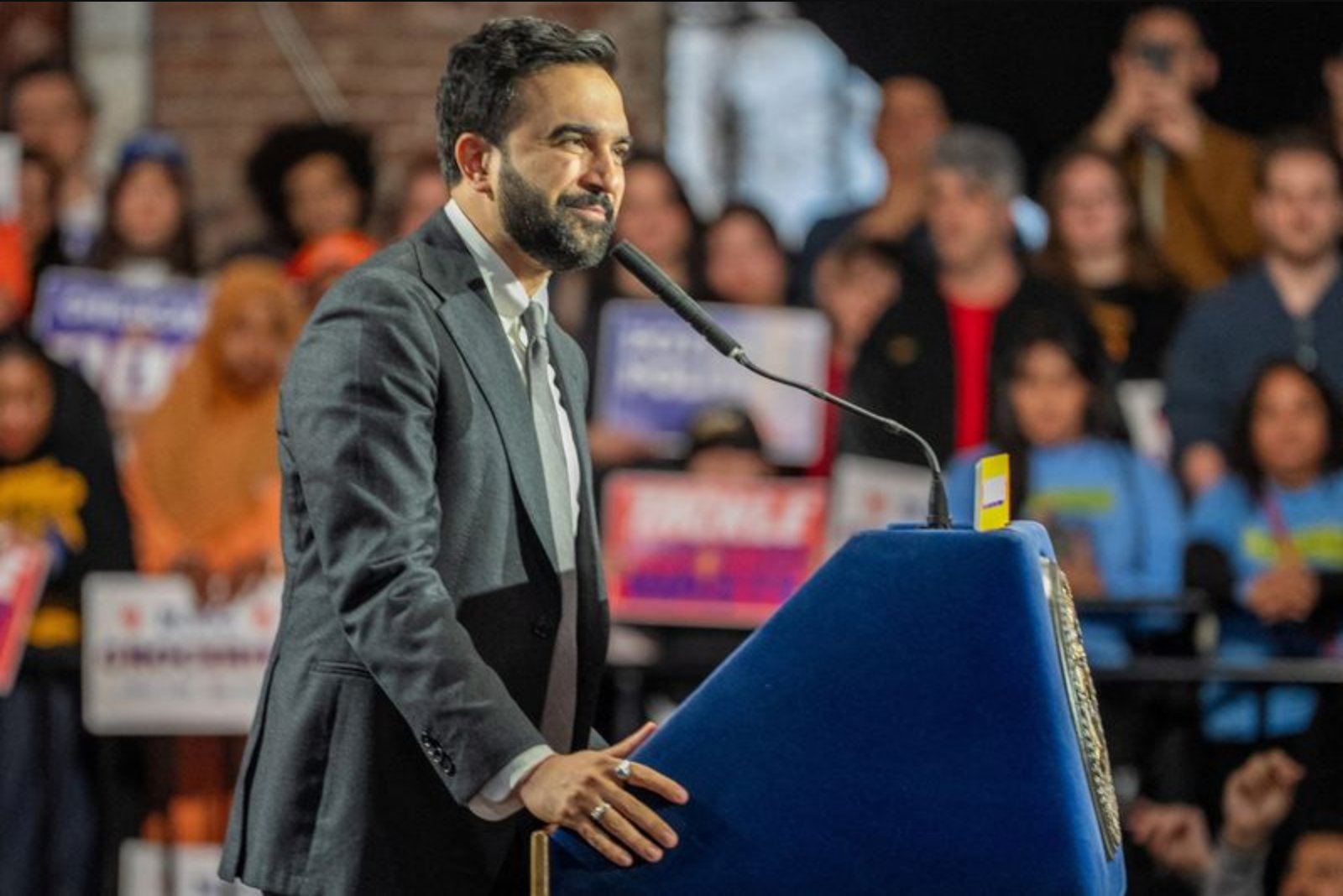
New York State Governor Kathy Hochul on Wednesday signaled backing for a targeted tax on second homes in the state valued above $5 million, a proposal that has the support of New York City Mayor Zohran Mamdani. The plan would focus on properties used as non-primary residences and is intended to shift some tax burden to very high-value owners.
Hochul, who has previously resisted tax increases in a year when she plans to seek re-election, framed the proposal in stark terms on her official website. She said, "If you can afford a $5 million second home that sits empty most of the year, you can afford to contribute like every other New Yorker."
Mamdani, a democratic socialist who campaigned on taxing the wealthy to improve affordability for lower-income residents, has encountered disagreement with the governor in other policy areas. In this instance he and the governor are aligned, and City Hall issued a release backing the measure.
The City Hall statement singled out wealthy property owners as a target. It named individuals such as Ken Griffin, the founder and CEO of Miami-based hedge fund Citadel, noting Griffin's 2019 purchase of a Central Park–overlooking penthouse for $238 million, a transaction that at the time set a U.S. record for a home sale. The city noted that Griffin said the day after Mamdani's election that New Yorkers deserved better policies than Mamdani's talking points. Citadel did not immediately respond to a request for comment on the proposed second-home tax.
City Hall said the measure is aimed at "ultrawealthy out-of-city residents and global elites who use New York City real estate as a vehicle for wealth storage rather than as homes." It added that, if enacted, the tax is expected to generate $500 million annually and help narrow a city budget shortfall.
The announcement did not specify the amount of any proposed annual surcharge tied to the measure. City Hall also noted that several other countries, including France, the United Kingdom and Canada, already impose taxes on residences that are not primary homes.
While the proposal has the declared support of both the governor and the mayor, key details such as the surcharge rate and the mechanics of enforcement were not provided in the release. The city framed the tax as a revenue tool to address budget pressures, and it explicitly identified the tax's target population as nonresident ultrawealthy owners.