
Economy April 13, 2026 09:15 PM

Finance Minister Urges Trade Minister to Avoid Commenting on BOJ Policy

Katayama and Prime Minister ask minister to refrain as market volatility and rising bond yields cloud April rate hopes

By Nina Shah
Finance Minister Urges Trade Minister to Avoid Commenting on BOJ Policy

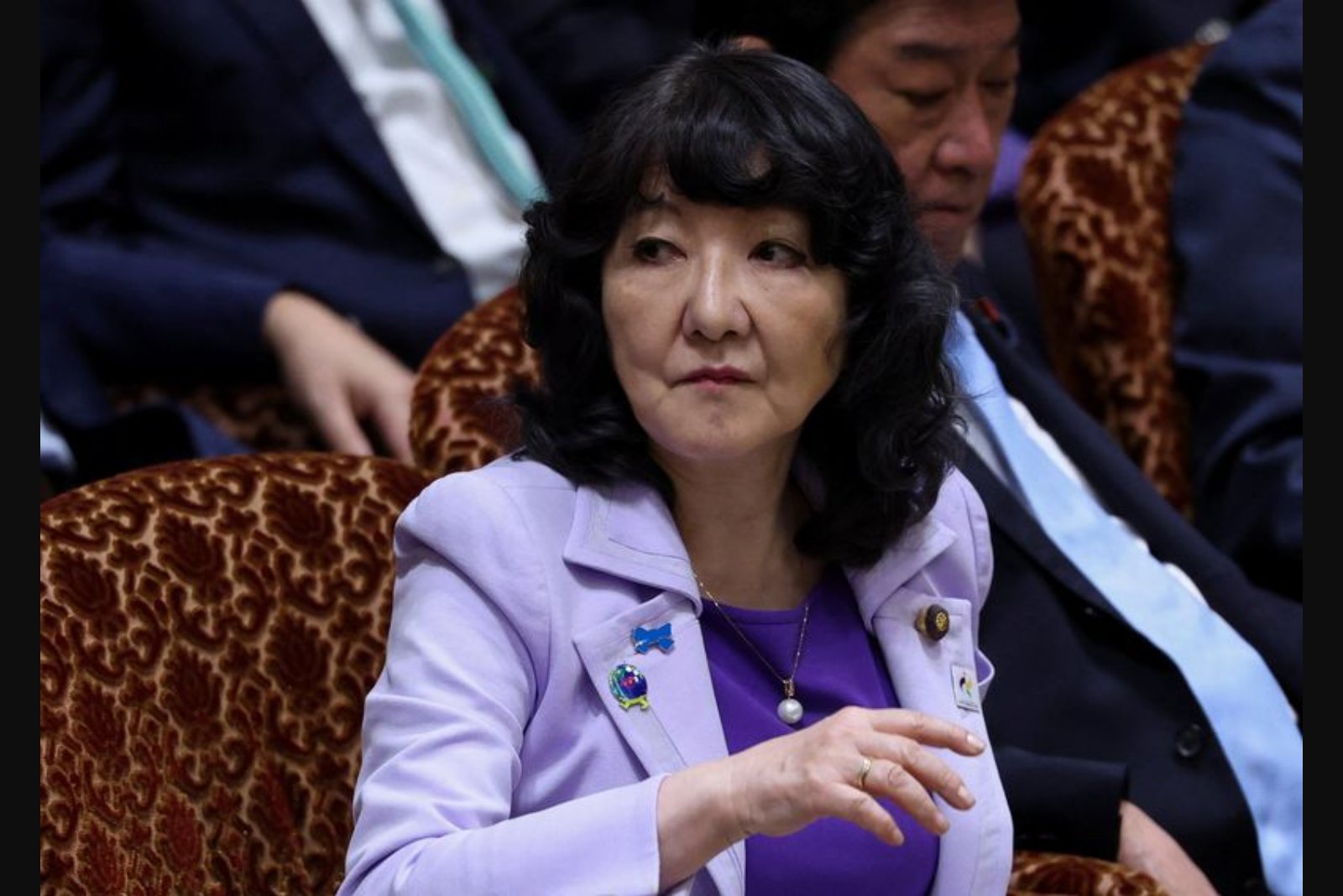
Finance Minister Satsuki Katayama said she and Prime Minister Sanae Takaichi requested that Economy, Trade and Industry Minister Ryosei Akazawa refrain from public comments on the Bank of Japan's monetary policy, arguing that decisions on specific policy tools belong to the BOJ. The appeal follows Mr. Akazawa's suggestion that an April rate hike "could be among options" to support the yen, and comes amid growing market volatility and a recent rise in long-term Japanese government bond yields to 2.49%. Katayama also reiterated that bond auctions will proceed as usual and that debt management relies on close market dialogue.

Key Points

  • Finance Minister Satsuki Katayama and Prime Minister Sanae Takaichi asked Economy, Trade and Industry Minister Ryosei Akazawa to refrain from commenting on BOJ policy; they emphasized decisions on the BOJ's specific policy tools should be left to the central bank.
  • Ryosei Akazawa had said an April rate hike "could be among options" to support the yen as Japan's real interest rates remain quite low - nL4N40V00C, but the prospect of an April move has dimmed amid market volatility and an uncertain economic outlook - nL4N40T1P9.
  • Long-term Japanese government bond yields briefly rose to 2.49%, their highest level in nearly three decades - nL1N40W005; Katayama said debt management relies on close market dialogue and that bond auctions will proceed as normal.

Japanese Finance Minister Satsuki Katayama said on Tuesday that she, together with Prime Minister Sanae Takaichi, had asked Economy, Trade and Industry Minister Ryosei Akazawa to refrain from commenting on the Bank of Japan's monetary policy, arguing such decisions should be left to the central bank.

Katayama's remarks came after Mr. Akazawa had said on Sunday that an April hike "could be among options" to support Japan's currency as the country's real interest rates remained quite low - nL4N40V00C. At a regular media conference, the finance minister stressed the legal boundary between government ministers and the BOJ on matters of specific policy tools.

"The trade minister is not in charge of monetary policy and under the law, decisions on the BOJ's specific policy tools should be left to the central bank itself," Katayama said.

She added that both the prime minister and she had conveyed that message to Mr. Akazawa at a meeting of the Council on Economic and Fiscal Policy the previous day, asking him to refrain from making public remarks on the matter. "Prime Minister and I also told Mr. Akazawa when we met him at the meeting yesterday of the Council on Economic and Fiscal Policy that we would like him to refrain from making remarks on the matter," she said.

What had once been viewed as a strong possibility - a Bank of Japan rate increase in April - is losing traction, Katayama said, as fading hopes for a resolution to the Middle East conflict keep markets on edge and complicate the outlook for a fragile domestic economy. The article's original reporting flagged the April hike as a receding prospect - nL4N40T1P9.

Turning to the bond market, Katayama addressed the recent uptick in long-term Japanese government bond yields, which briefly rose to 2.49%, their highest level in nearly three decades - nL1N40W005. She said Japan's debt management approach relies on close dialogue with market participants and confirmed that bond auctions will be held as scheduled. "Bond auctions would be conducted as normal," she said.

The finance minister's comments underline an effort by the government to draw a clear line between political actors and the central bank's remit on monetary instruments, while also signalling a steady approach to sovereign debt operations amid market strain.


Context limitations - The reporting contains the statements and observations quoted above. No further details about the BOJ's internal deliberations, auction schedules beyond "as normal," or precise timing of potential policy moves were provided in the account referenced here.

Risks

  • Market volatility related to fading hopes for an end to the Middle East conflict is clouding the outlook for Japan's fragile economy and complicating the prospects for BOJ policy moves - this impacts currency and sovereign bond markets.
  • Public remarks by government ministers about monetary policy may create market uncertainty or signal policy divergence, affecting banking, currency, and fixed income sectors.
  • Rising long-term bond yields increase pressure on debt management and could influence funding conditions for lenders and public financing, though officials said auctions will continue as scheduled.

More from Economy

Markets Brace as Fed Leadership Shifts and Geopolitical Strains Loom Apr 29, 2026 White House Directs Preparations for Extended Iran Blockade Apr 28, 2026 Dollar Holds Firm Ahead of Fed Decision as Middle East Conflict Keeps Markets Cautious Apr 28, 2026 HHS Seeks Candidates to Reconstitute Preventive Services Panel After Year-Long Hiatus Apr 28, 2026 NIESR Cuts UK Growth Outlook, Warns Inflation Will Remain Above Target Until 2028 Apr 28, 2026