
Overview
The Federal Reserve is anticipated to maintain its current target interest rate at the conclusion of its two-day meeting, where officials will also consider language in the policy statement that could highlight the risk that higher energy costs are feeding into more persistent inflation. The meeting comes as global oil prices have climbed above $110 a barrel, compared with about $70 before the U.S.-Israeli strikes against Iran that began on February 28, raising concern among policymakers that what started as a one-off shock could broaden into an inflation problem that requires a longer period of restrictive policy - or, in an extreme scenario, additional rate increases.
Inflation trajectory and incoming data
The Fed’s preferred inflation gauge remains roughly a percentage point above the central bank’s 2% objective. March inflation data, scheduled for release later this week, are expected to show further increases in that measure. Policymakers are watching those numbers closely for signs that recent energy-driven price gains are feeding through to broader price-setting behavior.
Labor market and policy stance
Recent labor market signals have been mixed. March showed unexpectedly strong job growth and a drop in the unemployment rate to 4.3%, an outcome that complicates the Fed’s calculus between cooling demand and continued inflationary pressure. Market participants have priced in little chance of rate cuts before the middle of next year, effectively expressing skepticism that incoming Fed leadership under Kevin Warsh will be able to rely on rising U.S. productivity to lower inflation and enable easier policy sooner.
Fed communications and likely tone
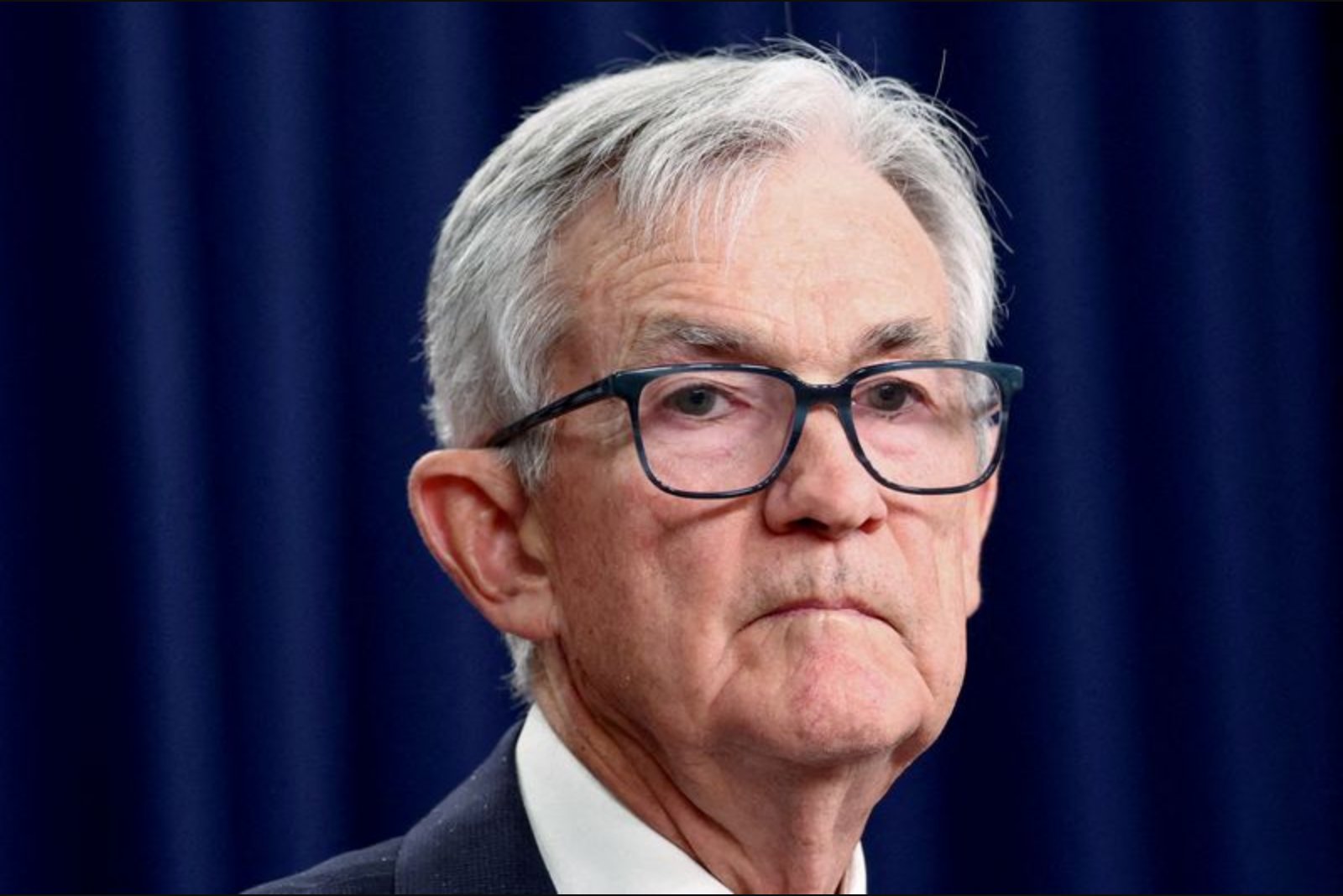
Analysts expect the policy statement to tread carefully. Michael Feroli, chief U.S. economist at JPMorgan, said that while stronger jobs data tempered by persistent inflation since the March meeting could nudge discussions in a more hawkish direction, it is unlikely to prompt the Fed to explicitly hint at possible rate hikes in the statement. The central bank’s formal decision and new policy statement are due at 2 p.m. EDT (1800 GMT), with Chair Jerome Powell holding a press conference approximately 30 minutes later.
Leadership transition and related developments
This meeting may be the last with Jerome Powell serving as chair. Powell’s term as Fed chair ends on May 15, though his separate appointment as a member of the Board of Governors continues through January 2028. Kevin Warsh is expected to be confirmed as Fed chair in time for the June 16-17 meeting, with his nomination advancing after the U.S. Department of Justice dropped a criminal investigation into a Fed building project that had become a focal point for key Republican senators. The Senate Banking Committee on Wednesday voted along party lines to recommend Warsh’s confirmation to the full Republican-controlled Senate.
Powell’s public remarks and next steps
At a March press conference, Powell said he would not leave the board "until the investigation is well and truly over," but he left open the possibility of remaining a governor even after the probe concluded. "I have not made that decision yet. And I will make that decision based on what I think is best for the institution and for the people we serve," he stated at the time. Powell may use his post-meeting remarks to discuss the meeting outcomes and to address questions about his plans as the leadership transition progresses.
Key takeaways
- The Fed is expected to hold rates steady and may signal concern about rising energy-driven inflation.
- Global oil prices have risen above $110 a barrel from around $70 before the February 28 escalation, elevating inflation risks.
- Leadership at the Fed is shifting - Powell’s chairmanship ends May 15 while Kevin Warsh moves toward likely confirmation, following the DOJ dropping an investigation and a party-line committee recommendation.
Impacted sectors
- Energy - higher oil prices affect input costs and consumer fuel expenses.
- Financial markets - interest-rate expectations and central bank communications influence bond yields and bank lending.
- Labor-sensitive industries - employment trends shape demand and wage dynamics, which feed into inflation.
Risks and uncertainties
- Energy prices could persist at elevated levels, turning a temporary shock into broader inflation - this primarily impacts the energy sector, consumer spending, and inflation-sensitive markets.
- Upcoming inflation data could show further rises in the Fed’s preferred measure, complicating the timing of future policy easing and affecting interest-rate-sensitive sectors.
- The leadership transition at the Fed introduces uncertainty about future policy direction, which could affect market expectations and investment decisions.
Note: This report reflects the information made available by policymakers and market indicators ahead of the Fed’s decision and does not include additional developments that may emerge after the release of the policy statement and accompanying press conference.