
The Democratic Republic of Congo's economy is expected to accelerate to 6.2% growth this year from 5.8% in the prior year, Central Bank Governor Andre Wameso said on Tuesday in Kinshasa.
The governor reported that foreign exchange reserves stand at $7.7 billion and that consumer prices have risen 2.36% over the past 12 months. Wameso noted that the Congolese franc has held its ground against the U.S. dollar, a factor that has helped limit the domestic impact of higher prices connected to the conflict in the Middle East.
Wameso emphasized the prominence of external factors in shaping the outlook. "Our primary concern regarding the country’s situation lies with exogenous shocks - specifically, should the crisis in the Strait of Hormuz prove to be prolonged," he said. He warned that a slowdown in global growth would likely curb demand for raw materials and place downward pressure on prices, which could reduce foreign currency inflows from exports and raise costs for the country.
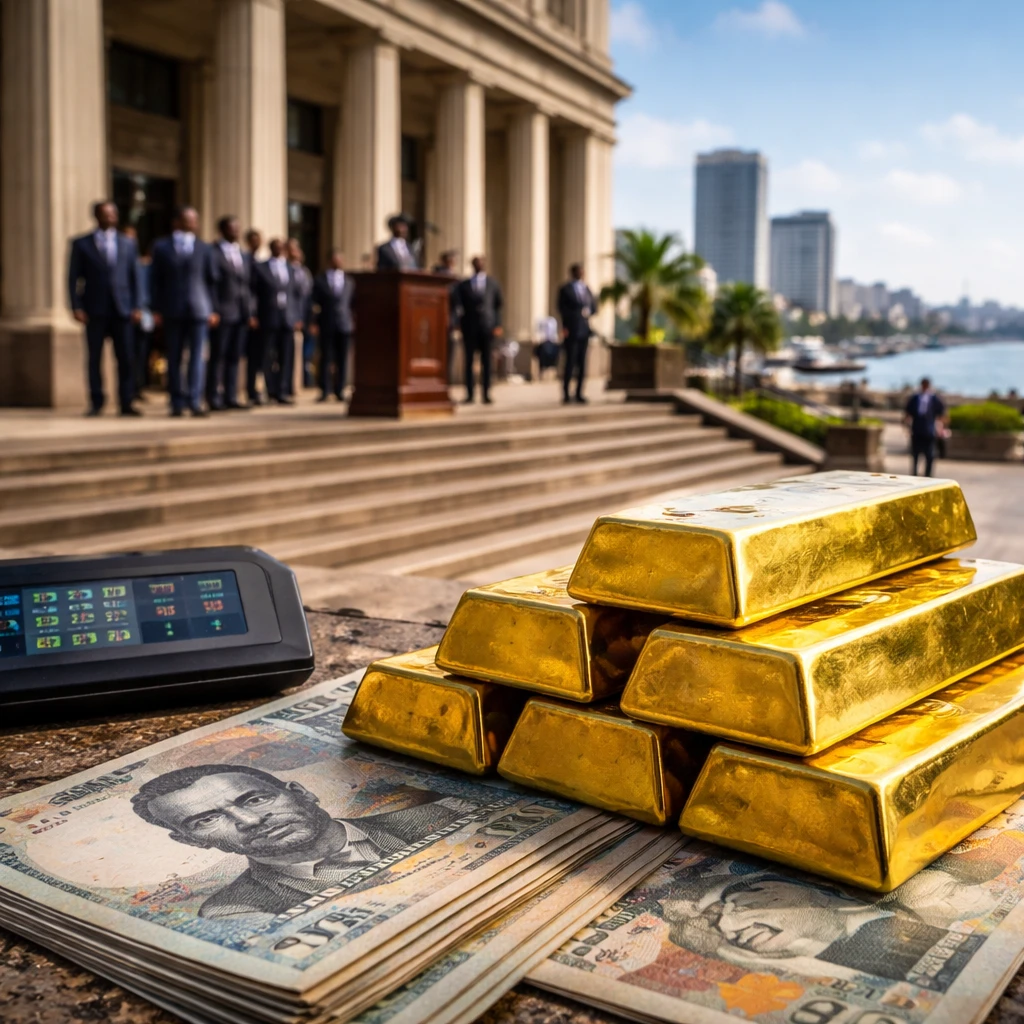
As a precautionary measure, the central bank intends to strengthen reserves using gold deposits. While state-owned DRC Gold Trading is the main provider, Wameso made clear the bank will not be restricted to that single source.
"We can buy our gold from whomever can furnish it to us in the conditions of traceability, transparency and conformity" with the law, Wameso said.
The central bank's strategy links reserve management to both currency stability and the country's ability to withstand external price shocks. By signalling openness to multiple, legally verifiable suppliers of gold, the bank aims to build a buffer that supports foreign exchange liquidity and helps manage the transmission of international price changes into the domestic economy.
Wameso's remarks position external developments - notably events affecting maritime routes and global commodity demand - as the principal risks to the DRC's projected expansion. The combination of a relatively low annual inflation rate, a stable franc and sizable foreign reserves provide some cushion, but the authorities are preparing to use gold reserves as additional protection if needed.
Summary: The DRC expects 6.2% GDP growth this year, supported by $7.7 billion in reserves and 2.36% annual inflation. The central bank is readying gold deposits to shore up reserves while warning that external shocks, especially a prolonged Strait of Hormuz crisis and weaker global raw materials demand, could undermine export earnings and raise costs.