
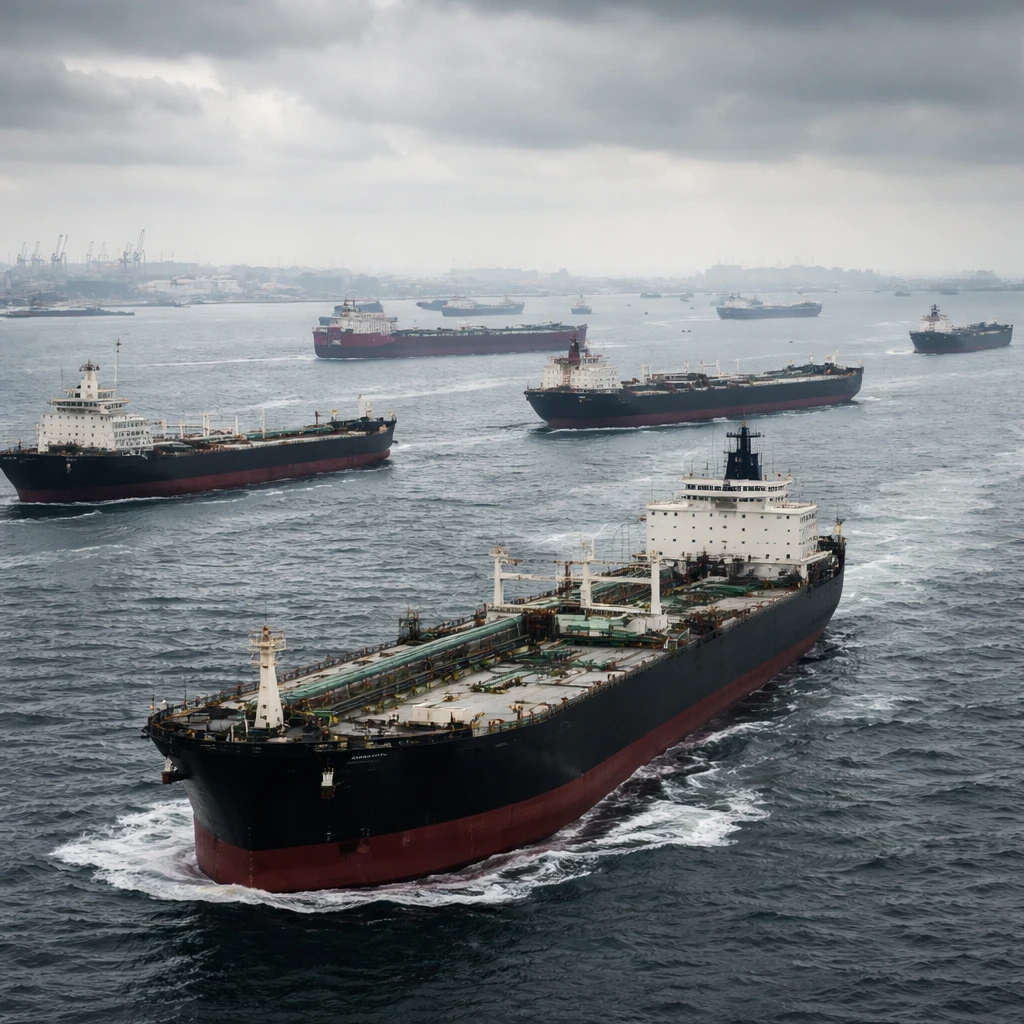
Eight weeks after the onset of the conflict, the sustained closure of the Strait of Hormuz has created a material shock to global oil markets and elevated the risk that the Eurozone will slip into recession. BCA strategists, led by Jeremie Peloso, estimate a current global oil supply shortfall of between 9 million and 9.5 million barrels per day - roughly 10% of world consumption - after accounting for pipeline rerouting and releases from strategic reserves.
Markets so far have shown relative resilience. European equities have recovered 7.8% from their March lows, the euro has recouped ground versus the dollar, and U.S. stock indices have moved to fresh all-time highs. Those price moves, however, are at odds with signals from fixed-income markets and from the physical oil complex.
"Only the bond market’s behavior is consistent with the fact that, for all the ceasefires and back-and-forth, the Strait of Hormuz remains closed," the BCA strategists wrote. They noted that even a gradual reopening of the strait by the United States and Iran would not immediately restore supplies to markets. Tankers would require four to six weeks to reach Europe and Asia after traffic resumes, producing a cumulative net supply shortfall of between 250 million and 400 million barrels during that interval, according to BCA.
The strategists added that global visible inventories are headed toward record lows, shifting investor focus beyond headline prices to the practical matter of physical delivery.
Europe's exposure to supplies transiting the Strait of Hormuz is lower than that of many Asian economies, but the bloc's weak economic starting point amplifies its vulnerability. "The starting point is much lower," BCA writes. "On the one hand, this reduces the likelihood of a sustained inflationary spiral, but on the other hand, it implies that a recession could be triggered by relatively little economic pain," the strategists said, and they expect the European Central Bank to hold interest rates steady in response.
Forward-looking data provide additional cause for concern. BCA flagged that April flash PMI readings showed a marked deterioration in supplier delivery times, a pattern reminiscent of the early months of the Covid-19 pandemic. The strategists observed that every major supply shock since the turn of the century has been followed by a significant contraction in economic activity within 12 months.
Against that backdrop, BCA recommends that investors increase exposure to sectors that historically outperformed after oil supply shocks, naming energy, pharmaceuticals, and utilities. The strategists cautioned that recent market strength may have limited staying power: "The relief rally is running out of time," they said. "Markets will continue to rally for a couple of weeks before more evidence emerges that the global economy is grinding to a halt."
In short, while equity and currency moves have suggested a degree of investor optimism, the physical realities of constrained oil flows, shrinking inventories, and weakened supplier delivery metrics present tangible downside risk to Eurozone growth in the months ahead.
Key context and data points referenced in this analysis:
- Estimated global oil supply deficit: 9.0 - 9.5 million barrels per day (about 10% of global consumption), per BCA.
- Time for tankers to deliver to Europe and Asia after any reopening: four to six weeks, implying a net supply loss of 250 - 400 million barrels.
- Recent market moves: European stocks up 7.8% from March lows; euro stronger versus the dollar; U.S. equities at fresh all-time highs.
- April flash PMI: sharp deterioration in supplier delivery times, per BCA.