
Beijing, April 13 - China urged calm and restraint on Monday in response to a U.S. threat to impose a blockade on the Strait of Hormuz following the failure of recent talks in Islamabad aimed at ending the Iran war.
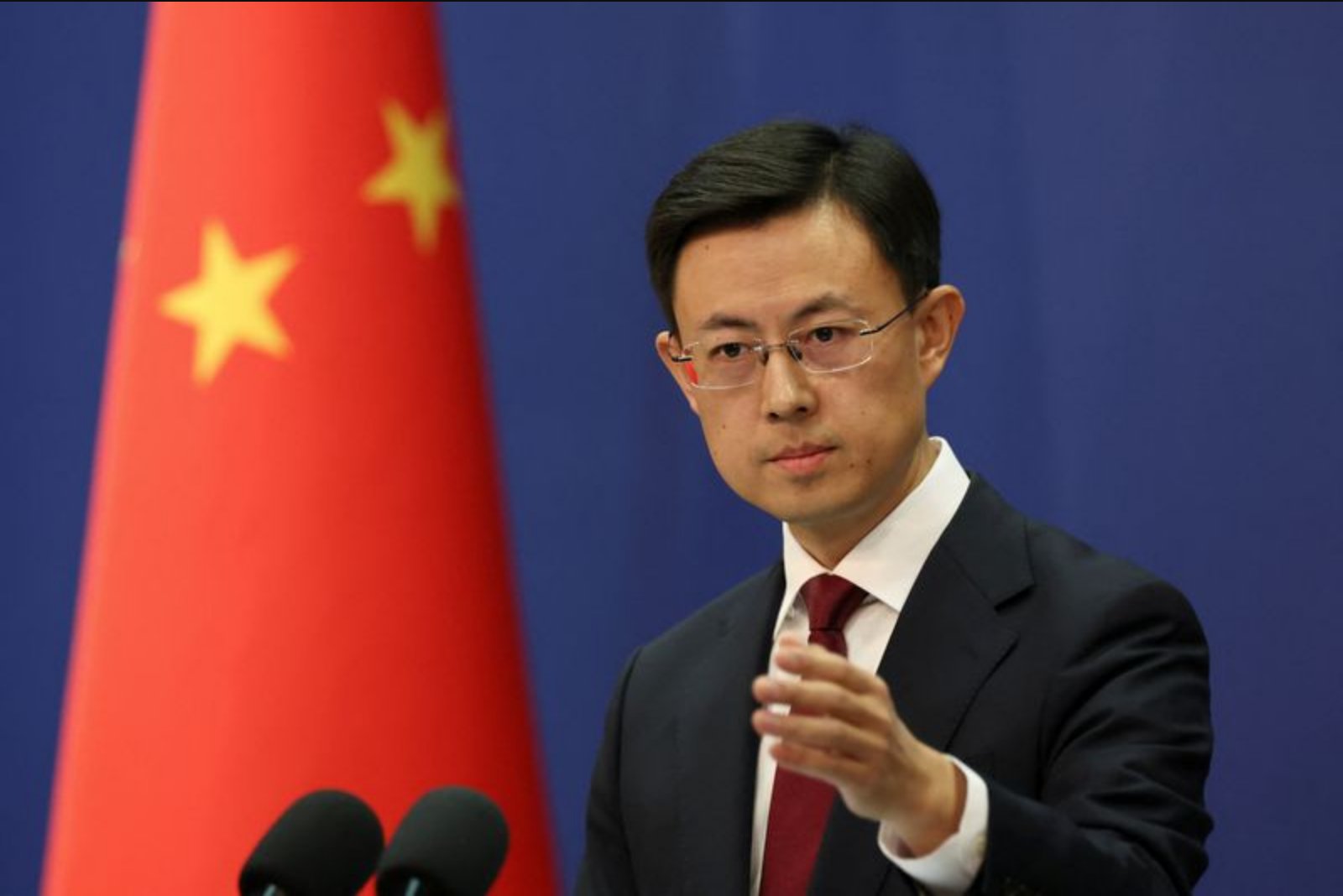
Foreign ministry spokesperson Guo Jiakun, speaking at a regular press briefing, said maintaining safety, stability and unimpeded navigation through the strategically important Strait of Hormuz was in the interest of the international community. Before the outbreak of the conflict, most Iranian oil exports were shipped to China, which remains the world's top crude importer.
Guo emphasised Beijing's preference for a political and diplomatic resolution. "China hopes the relevant parties will abide by the temporary ceasefire arrangements, remain committed to resolving disputes through political and diplomatic means, and avoid a resumption of hostilities," he said. He added that China was prepared to "play a positive and constructive role" in resolving the crisis, and described the opening talks in the Pakistani capital as a step conducive to easing tensions.
Following the breakdown of the extended Islamabad talks, U.S. Central Command announced that its forces would begin a blockade of all maritime traffic with Iranian ports from 10 a.m. ET (1400 GMT) on Monday. The Strait of Hormuz is a vital corridor for global energy flows, carrying about a fifth of worldwide oil and gas supplies, and China and Pakistan had earlier supported peace talks while urging an immediate ceasefire and restoration of normal navigation there.
Guo also addressed reports alleging China planned to supply weapons to Iran, calling such accounts "groundless smears and malicious associations." He reiterated that China maintains a prudent and responsible approach to arms exports, with strict controls that align with domestic law and international obligations.
The spokesperson's remarks followed a separate U.S. announcement last week that President Trump had threatened immediate 50% tariffs, with no exemptions, on imports from countries supplying Iran with military weapons. Guo restated China's position on arms controls while urging diplomatic measures to prevent further escalation.
Reporting note: Officials called for adherence to ceasefire arrangements and diplomatic engagement while rejecting allegations regarding arms transfers. The situation remains fluid following the failed talks and the U.S. blockade announcement.