
Economy April 30, 2026 11:06 AM

China and U.S. Trade Officials Hold Candid Video Talks Ahead of Expected Trump-Xi Summit

Chinese vice premier and senior U.S. trade and treasury officials discuss concerns over restrictive measures and agree to deepen cooperation

By Priya Menon
China and U.S. Trade Officials Hold Candid Video Talks Ahead of Expected Trump-Xi Summit

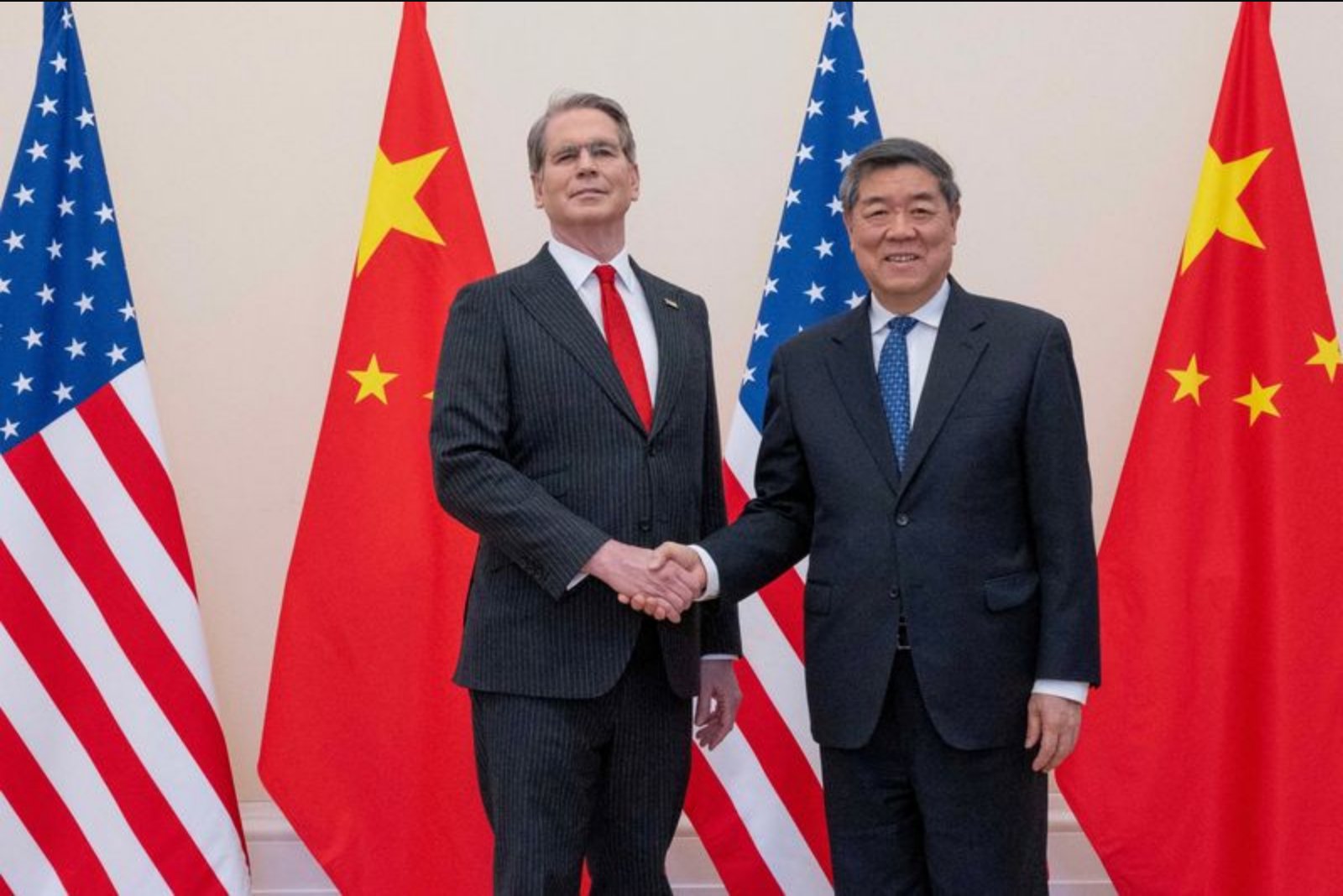
Chinese Vice Premier He Lifeng spoke by video call with U.S. Treasury Secretary Scott Bessent and U.S. Trade Representative Jamieson Greer, describing the exchanges as candid, in-depth and constructive. China raised strong objections to recent U.S. restrictive trade measures, while both sides agreed to step up consensus-building, manage differences and expand cooperation. The call occurred weeks before an anticipated summit between Presidents Donald Trump and Xi Jinping in mid-May and followed an in-person meeting in Paris in March.

Key Points

  • Chinese Vice Premier He Lifeng held a video call with U.S. Treasury Secretary Scott Bessent and U.S. Trade Representative Jamieson Greer described as "candid, in-depth and constructive." - Sectors impacted: diplomacy, trade policy.
  • China expressed "serious concern" about recent U.S. restrictive trade measures; both sides agreed to enhance consensus, manage differences and strengthen cooperation. - Sectors impacted: manufacturing, international trade.
  • The call took place weeks before an expected Trump-Xi summit in mid-May; it follows an in-person meeting in Paris in March and an uneasy truce reached last October in Busan. - Sectors impacted: semiconductors, supply chains.

BEIJING, April 30 - Chinese Vice Premier He Lifeng held a video conference on Thursday with U.S. Treasury Secretary Scott Bessent and U.S. Trade Representative Jamieson Greer, in what Chinese state broadcaster CCTV described as "candid, in-depth and constructive exchanges." The Chinese side voiced "serious concern over the recent U.S. restrictive trade measures against China," the broadcaster reported.

The participants agreed to efforts to "further enhance consensus, manage differences and strengthen cooperation," according to CCTV. The three officials previously met in person in March for trade talks in Paris.

China characterized the video call as focused on "properly resolving economic and trade issues of mutual concern and expanding pragmatic cooperation." The discussion comes several weeks ahead of an expected meeting between U.S. President Donald Trump and Chinese President Xi Jinping in mid-May.

The U.S. Treasury and the U.S. Trade Representative did not immediately respond to requests for comment.


Background to the current outreach includes an uneasy trade truce reached last October when the two sides met in Busan, South Korea after a months-long tit-for-tat trade war that was sparked by the so-called "Liberation Day" tariffs. Despite tensions in other areas, ties between Beijing and Washington have remained largely calm in the run-up to the planned May summit, even as energy and geopolitical complications stemming from the war on Iran have added complexity to the relationship.

Both governments have also taken steps that appear aimed at strengthening their negotiating positions prior to the leaders' meeting. Washington has curbed tool shipments to one of China’s leading chipmakers, while Beijing has implemented trade measures that, according to analysts, could seriously undercut American efforts to reduce supply chain dependence on China.

State media reported that during the Thursday call, both sides expressed willingness to "promote the health, stable and sustainable development of China-U.S. economic and trade relations." The description focused on managing differences and increasing pragmatic cooperation without detailing specific follow-up steps.

Observers will be watching whether the diplomatic tone and the commitments made on the call translate into concrete measures ahead of the mid-May summit, and how recent trade actions by both sides interact with broader efforts to address supply chain vulnerabilities and technology flows.

Risks

  • Recent U.S. restrictions on shipments to a major Chinese chipmaker and retaliatory Chinese trade measures could exacerbate supply chain disruptions for semiconductors and related manufacturing.
  • Ongoing geopolitical tensions, including complications from the war on Iran, create uncertainty for energy markets and cross-border trade flows.
  • Despite diplomatic engagement, lack of immediate detail on follow-up steps leaves open the possibility that differences may persist and hamper progress on stabilizing bilateral economic relations.

More from Economy

Yen Holds Near Two-Month High as Dollar Strengthens on Middle East Tensions May 4, 2026 Venezuela’s Monthly Inflation Falls to 10.6% in April, Central Bank Reports May 4, 2026 Customs Agency Says First Electronic Refunds for Trump's Tariffs Could Begin May 12 May 4, 2026 Iran's Araghchi Says Military Action Won't Resolve Hormuz Standoff, Voices Cautious Hope on Pakistan-Brokered Talks May 4, 2026 Westpac’s H1 profit underperforms as margins and credit charges weigh May 4, 2026