
Economy April 20, 2026 09:06 PM

Bank of Korea governor calls for cautious, flexible monetary stance amid Middle East-driven uncertainty

Shin Hyun-song stresses price and financial stability as oil-driven supply shocks weigh on inflation and growth

By Maya Rios
Bank of Korea governor calls for cautious, flexible monetary stance amid Middle East-driven uncertainty

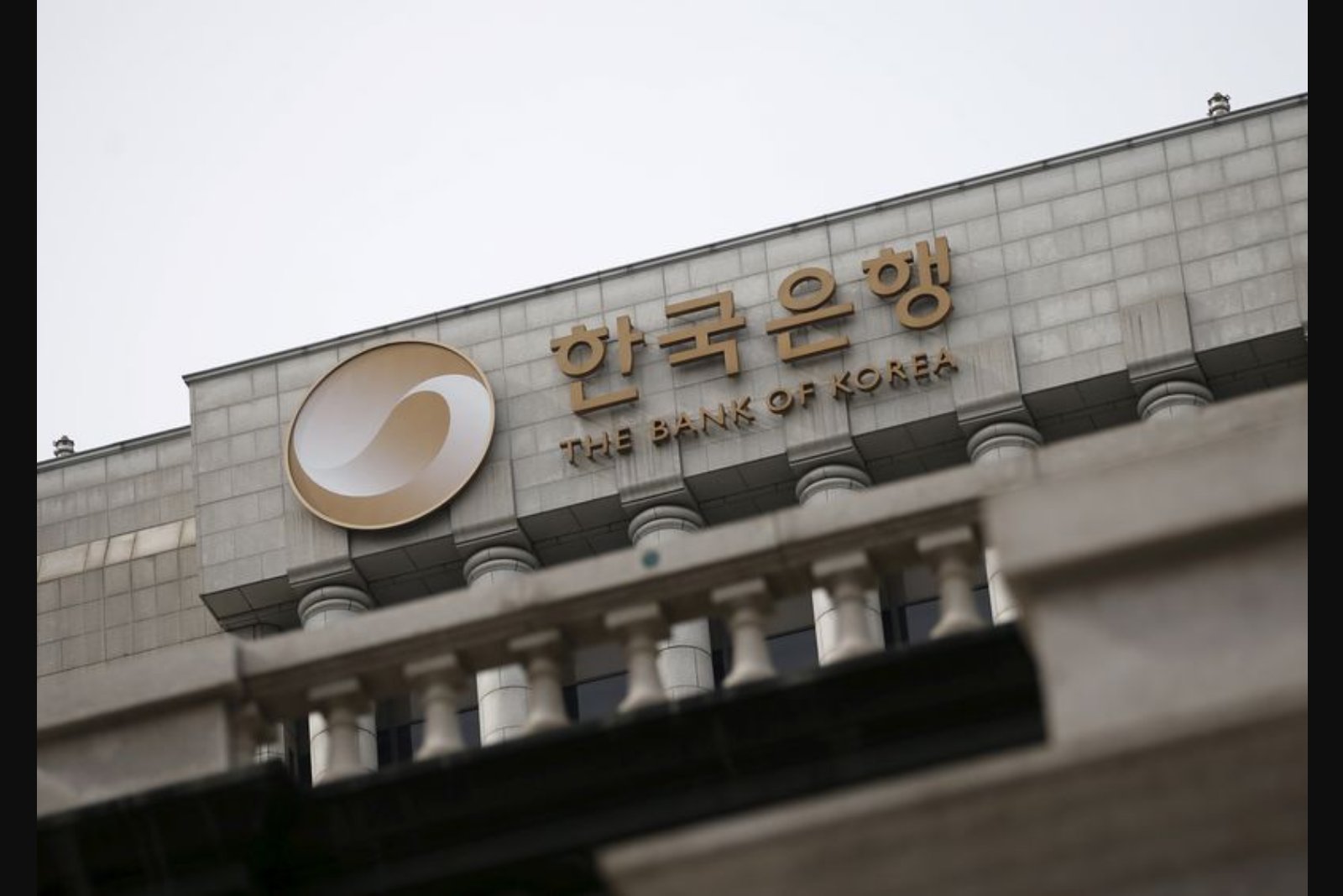
Newly sworn-in Bank of Korea governor Shin Hyun-song said monetary policy should be cautious and adaptable in response to increased uncertainty over inflation and economic growth stemming from the Middle East conflict. He cited oil price rises tied to the Iran war as simultaneously boosting inflationary pressure and dampening growth prospects, while financial market volatility and mounting risks to financial stability have intensified. Shin begins a four-year term and will preside over his first policy meeting on May 28.

Key Points

  • New Bank of Korea governor Shin Hyun-song called for cautious and flexible monetary policy in his inauguration speech, citing increased uncertainty from the Middle East conflict.
  • Shin said oil price increases tied to the Iran war are adding upward pressure on inflation while putting downward pressure on economic growth, and flagged rising financial market volatility.
  • Shin began a four-year term as governor on Tuesday and will chair his first policy meeting on May 28 - decisions there will reflect the trade-offs he outlined between price stability and financial stability.

SEOUL, April 21 - South Korea's newly appointed central bank governor urged a careful and adaptable approach to monetary policy on Tuesday, describing heightened uncertainty over inflation and growth as a consequence of supply disruptions linked to the Middle East conflict.

In his inauguration address, Governor Shin Hyun-song said the supply shock caused by the war in the Middle East has expanded uncertainty about both inflation and growth trajectories. He told attendees that these conditions require the central bank to pursue price stability and to safeguard financial stability through 'cautious and flexible monetary policy operations.'

Shin pointed specifically to a rise in oil prices associated with the Iran war, saying the increase is exerting upward pressure on inflation at the same time as it is depressing economic growth. He also noted heightened volatility in financial markets and described accumulating risks to financial stability as important considerations for policy.

Shin began his four-year term as governor of the Bank of Korea on Tuesday. He is scheduled to chair his first policy meeting on May 28, where the central bank's stance will be considered in the context of the factors he highlighted in his remarks.

The governor's comments framed the central bank's immediate priority as balancing competing pressures - containing inflationary forces while limiting further harm to growth - and doing so with an operational approach that emphasizes caution and flexibility given the current degree of uncertainty.


Context and implications

Shin's emphasis on both price stability and financial stability underscores the dual concerns the central bank faces: higher energy costs that feed inflation, and the risk that those same cost shocks will weigh on economic activity. The combination of upward inflationary pressure and downward growth pressure, alongside volatile markets, sets a challenging backdrop for the Bank of Korea's near-term decisions.

With the governor taking the reins at the start of a four-year term and convening his first monetary policy meeting in late May, markets and financial institutions will be watching for how that balance is translated into policy action and communication.

Risks

  • Supply shock from the Middle East conflict creating uncertainty in inflation and growth paths - impacts banking, financial markets, and the broader economy.
  • Rising oil prices increasing inflationary pressure while weighing on economic activity - affects energy, transport, and inflation-sensitive sectors.
  • Heightened financial market volatility and accumulating risks of financial instability - poses risks to banks, asset markets, and corporate funding conditions.

More from Economy

Markets Brace as Fed Leadership Shifts and Geopolitical Strains Loom Apr 29, 2026 White House Directs Preparations for Extended Iran Blockade Apr 28, 2026 Dollar Holds Firm Ahead of Fed Decision as Middle East Conflict Keeps Markets Cautious Apr 28, 2026 HHS Seeks Candidates to Reconstitute Preventive Services Panel After Year-Long Hiatus Apr 28, 2026 NIESR Cuts UK Growth Outlook, Warns Inflation Will Remain Above Target Until 2028 Apr 28, 2026