
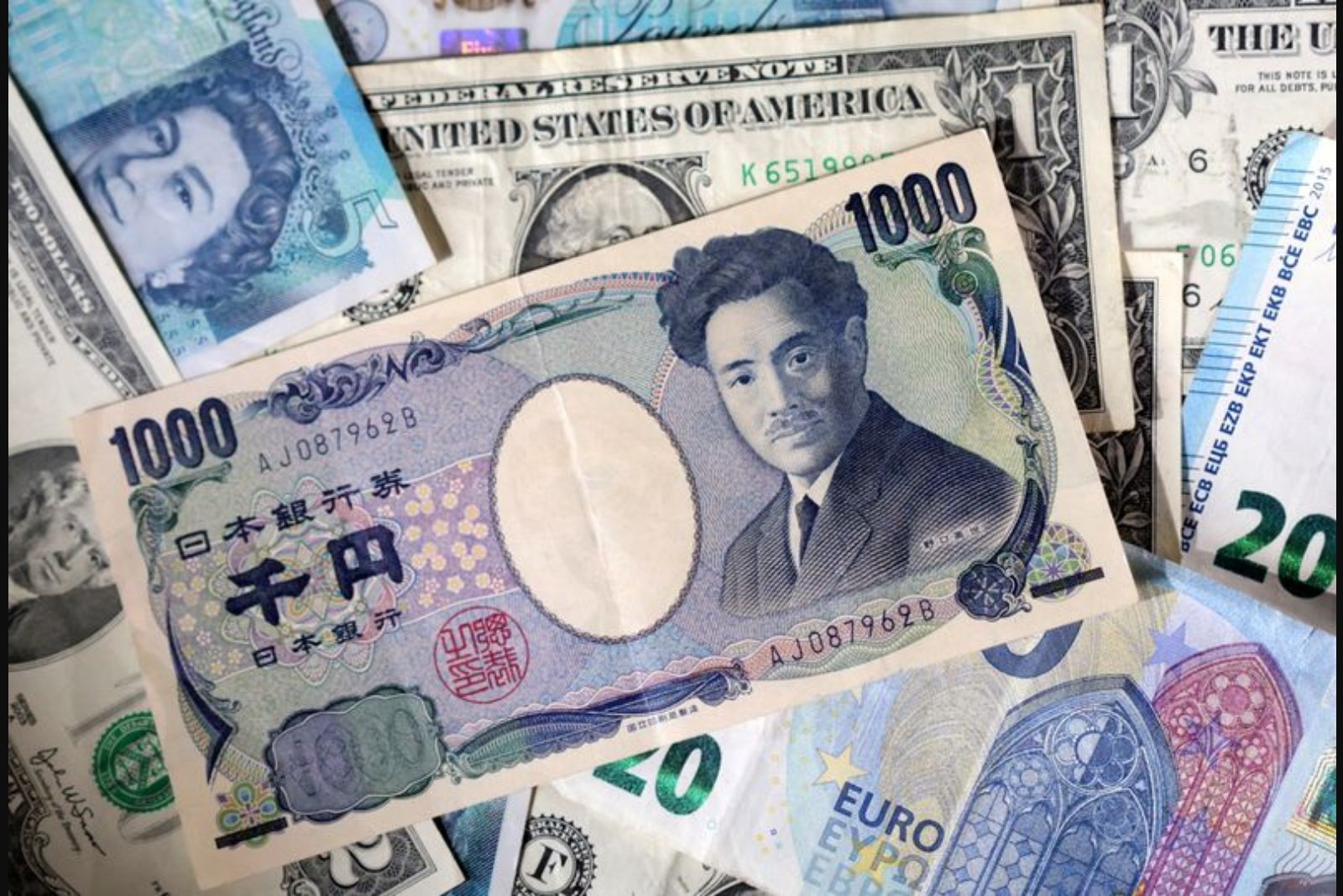
U.S. stocks rallied on Thursday to finish the month on a high, driven by strong technology sector earnings and investment data that together suggested the AI-driven expansion of tech spending has further to run. The move in equities came alongside a dramatic rebound in the yen after Japanese authorities intervened in the currency market to stem recent weakness.
The market reaction added to a week of notable central bank activity and heightened attention to inflation trends, with a spike in dissents at policy meetings highlighting greater uncertainty and the potential for more volatile market swings - an unwelcome backdrop for risk-takers and businesses alike.
Recommended reading to unpack today
- Japan intervenes to counter currency weakness, sources say; yen surges
- AI-related investment, rebound in government spending lift U.S. economy in first quarter
- Google Cloud pulls ahead as Big Tech’s AI bet swells to $700 billion
- ECB keeps rates unchanged but June hike firmly on table
- Pivotal U.S.-Iran war deadline approaches with no end in sight for conflict
Today’s key market moves
- Stocks - Asia finished lower: Nikkei -1%, KOSPI -1.4%. Europe rallied: STOXX 600 +1.4%, FTSE 100 +1.6%. U.S. markets jumped: S&P 500 +1%, Russell 2000 +2%.
- Sectors & shares - Every S&P 500 sector except tech rose. Communications services climbed about 4% to a record high. Individual movers included Qualcomm up 15%, Alphabet up 10%, and Eli Lilly up 10%; Meta fell around 9% and Nvidia declined roughly 5%.
- FX - The yen surged after Japan intervened, producing its biggest one-day rise since 2022 and dragging the dollar index down roughly 1% - one of its steeper daily declines in a year.
- Bonds - The 10-year JGB yield rose above 2.5% for the first time since 1997. European and U.S. yields ended the day lower; U.S. yields fell about 5 basis points at the short end as the curve bull steepened.
- Commodities - Oil slipped, with July futures replacing June as the front-month benchmark contract.
Japan shows its hand
According to market sources, Japan intervened in the foreign exchange market on Thursday, buying yen to counter recent depreciation - the first such intervention in nearly two years. The move produced a sharp fall in the dollar against the yen, which plunged to 155 from above 160. The yen finished the session about 2.5% higher - its strongest one-day result since 2022.
Traders currently hold the largest net short position in yen since July 2024 - the month when Japan last intervened - suggesting the rebound may have momentum behind it. Dollar/yen at 150.00 yen anyone? That remains possible in market chatter. Yet commentators cautioned that if the Federal Reserve adopts a more hawkish stance than the Bank of Japan, underlying "fundamentals" could pressure the yen lower again over time.
Central banks - hawks on alert
The European Central Bank and the Bank of England both kept rates on hold this week but signaled readiness to hike again if war-related price pressures persist. Similar messages have come from the Federal Reserve and the Bank of Japan earlier in the week. Recent inflation releases in the U.S. and euro zone, together with the Cleveland Fed "Nowcast" estimating annual PCE at 3.7%, have reinforced the narrative that upside price momentum could prompt renewed tightening.
Market participants are also watching Tokyo consumer price inflation data due Friday for further clues on Japan's policy path.
April in review
April closed out as a remarkable month across several markets. South Korea's KOSPI jumped about 30% - its best month since 1998. The Nasdaq gained roughly 15%, marking its largest monthly increase since 2020. The 10-year JGB yield climbed above 2.5% for the first time since 1997. Meanwhile, Brent crude ended the month lower.
Looking ahead, U.S. non-farm payrolls due next week have taken on added importance after jobless claims touched their lowest level since 1969 and first-quarter business investment data showed strength. The following week is set to bring notable events as well - including a high-profile U.S. presidential visit to China and a Fed leadership transition in which Kevin Warsh replaces Jerome Powell at the central bank.
All of this unfolds against the backdrop of the Iran war, potential energy shocks, the ongoing AI investment boom, and Japan's FX intervention - a volatile mix that could keep market participants on edge.
What could move markets next
- Developments in the Middle East
- Energy market moves
- Australia PPI inflation (Q1)
- Japan Tokyo CPI inflation (April)
- South Korea trade (March)
- UK PMI (April)
- Bank of England chief economist Huw Pill speaks
- U.S. ISM (April)
- U.S. earnings including Berkshire Hathaway, Exxon Mobil, Chevron
If you would like to receive this briefing each weekday morning, sign up for the newsletter linked on the site.