
Mali Hightower found a low-cost solution to the strain of expensive gasoline in a discarded children's toy. The 30-year-old handyman from Ellenwood, Georgia, removed a two-gallon, one-piston engine from a power washer and installed it in a broken pink Power Wheels Barbie Dream Camper - a battery-operated toy vehicle less than four feet long. With a single pull of the rip cord, similar to a lawnmower starter, Hightower is able to run short errands to the supermarket, perched with his knees drawn up and wearing a dirtbike helmet. His conventional car, a 1996 Mercedes-Benz convertible, costs roughly $90 to fill, a sum he calls unaffordable. "That’s too much," he said, noting he also added a rack on top of the toy camper for groceries. "I drive this when I can."
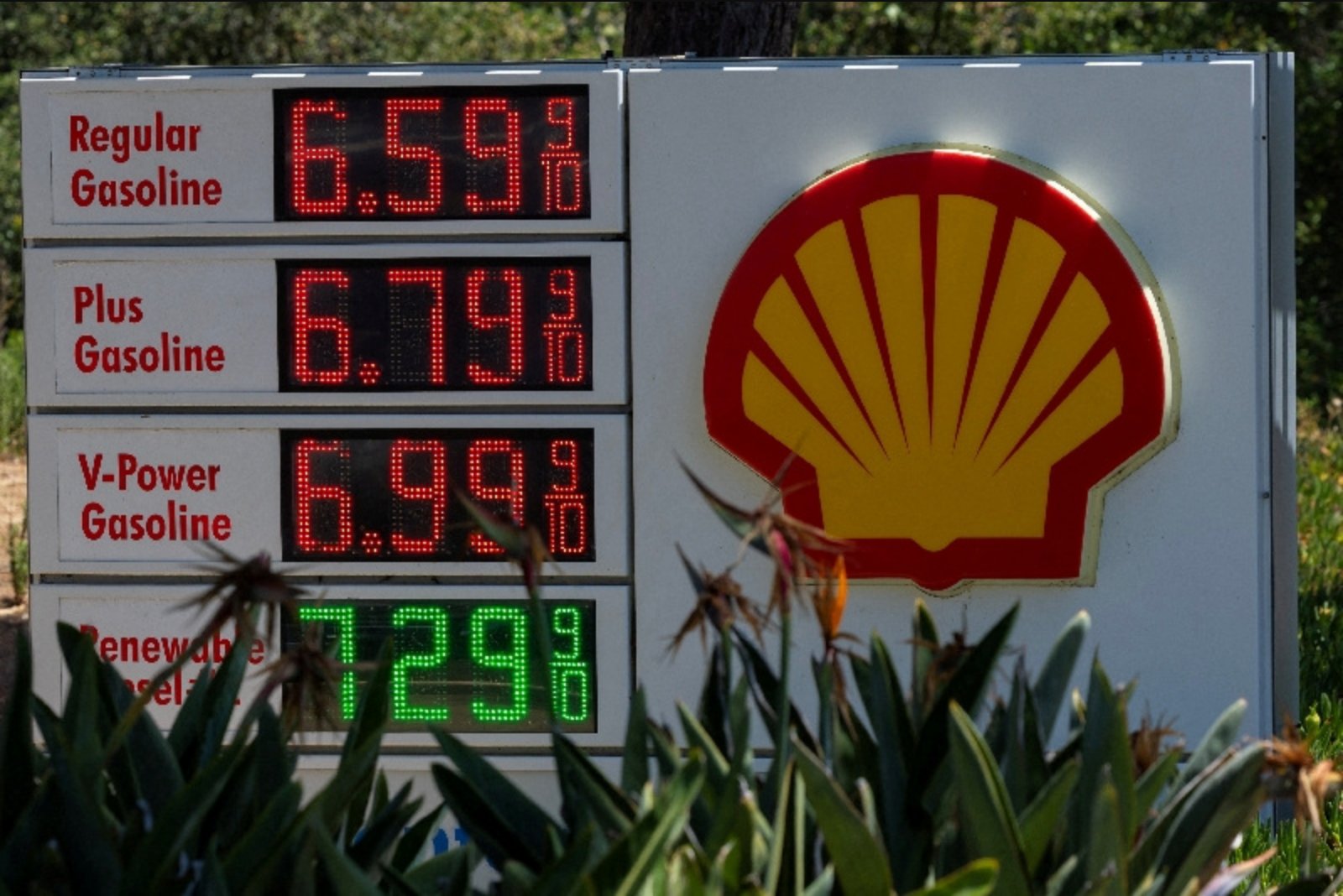
Hightower’s unconventional adaptation illustrates a broader pattern: elevated pump prices are nudging Americans to rethink daily travel decisions and to seek substitutes or inventive solutions. Long accustomed to driving personal vehicles - especially less fuel-efficient SUVs and light trucks - consumers are increasingly turning to public transit, consolidating trips, staying closer to home, or otherwise trimming mileage.
As of May 18, the national average paid by drivers for regular gasoline was $4.52 per gallon, up from about $3 before the Iran war started, according to AAA. In a poll conducted by Ipsos and published by the Washington Post and ABC News on April 28, 44% of respondents said they had reduced their driving.
Some people are reframing the pressure as an opportunity to change habits or to market new value propositions. After noticing that filling her Buick Enclave cost nearly $40 more than usual, Renee Tocci, executive director of Camp Farley in Mashpee, Massachusetts, came up with an outreach idea aimed at parents: position overnight camp as a way to reduce summer driving burdens. Tocci began referencing fuel costs in social posts and emails to encourage enrollment, sharing a marketing message that read: "Here’s a budgeting tip no one talks about: Send your kids to overnight camp." She recounted how a colleague reacted with amusement - "My colleague was like, ’That is hysterical,’" - while Tocci pursued the idea seriously in social media and marketing channels.
Car-dependent lifestyles are also shifting among younger adults and content creators who travel between cities. Dafne Flores, a 28-year-old content creator who lives in Silverdale, Washington, said she travels to Los Angeles several times a year to visit friends. During a recent two-month stay, she parked in Glendale and relied on public transit for most local mobility. "We’re used to expensive gas prices, but never this expensive," Flores said. Filling her Toyota Highlander now costs at least $95, she said, so she limits drives to within roughly five miles and avoids stations close to freeways where she has observed prices climb to nearly $9 a gallon. On buses, Flores can edit videos and avoid parking charges; she has also noticed more peers posting videos about riding buses.
The pattern of riders returning to transit shows up in smaller markets as well. In Bangor, Maine, the city’s public bus system has experienced a 21% increase in ridership since January, transit administrator Laurie Linscott said, with most of the growth occurring during peak commuting periods. "I started watching people and trying to get some kind of demographic," Linscott said. "It was every walk of life."
Rising pump prices have also prompted promotional tactics and community assistance. In El Segundo, California, drivers queued for more than an hour at a station where Visit Las Vegas was offering up to $100 in gas to the first 100 motorists as part of an incentive to encourage travel to the destination. Many of those who waited were focused on immediate needs rather than tourism; Robert Jackson of El Segundo said the fuel would last only a few days. "I have to walk and take the train now," he said. "It’s tough. It really is."
Other drivers report tightening their geographic range. Segette Frank of Los Angeles said she once shopped across the sprawling city but now "stay[s] close" to avoid the risk of running out of fuel. In Chicago, a faith-based community group is preparing direct financial assistance: CityPoint Community Church plans to distribute $5,000 worth of $25 gas cards in the coming weeks. Pastor Demetrius Davis said the congregation gave out more than 70 cards after Mother's Day services and highlighted the essential nature of transportation for many families: "Transportation is not a luxury for many families," he said. "It’s survival."
So far, the spike in fuel costs has not produced an obvious surge in electric vehicle purchases. However, owners of EVs have felt a measure of satisfaction amid rising gasoline bills. John Stringer, president of Tesla Owners of Silicon Valley, posted a video to TikTok that captured a gas station sign with high prices. In the clip he quipped, "Oh man, wish that was a problem that I had to deal with," before panning the camera toward his Cybertruck. Said Stringer, while noting the levity in the post, the sense of relief among EV drivers is genuine: "I don’t know the last time I looked at gas prices, except for that video."
The cumulative anecdotal evidence - from improvised gasoline-powered toy vehicles to shifts toward public transit and targeted community assistance - reflects how higher fuel costs are filtering through daily life and local economies. Individuals, nonprofits and local agencies are responding with a mix of frugality, adaptation and outreach as households contend with steeper costs at the pump.