
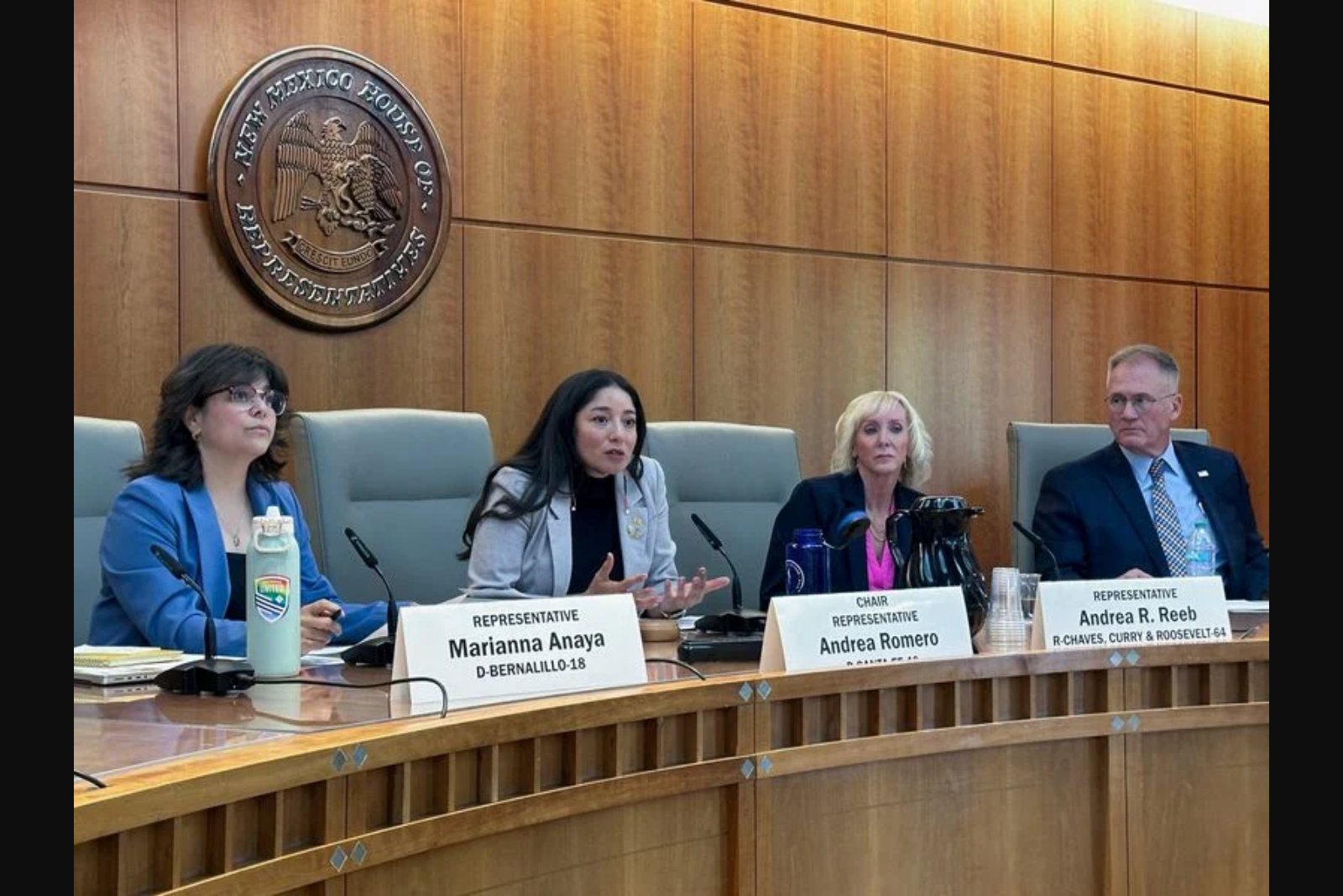
New Mexico's investigative panel examining the handling of allegations against Jeffrey Epstein on Thursday directed subpoenas to U.S. Attorneys' offices in several jurisdictions as it seeks documents and internal communications related to possible decisions not to pursue prosecutions.
The state's Truth Commission on Epstein approved requests for materials from the U.S. Attorney's offices for the southern district of Florida, South Carolina, the eastern and western districts of Michigan, and the U.S. Virgin Islands, the commission's chair said during a video briefing with reporters.
The subpoenas mark an extension of the inquiry beyond the 2007-2008 non-prosecution agreement involving then-Florida U.S. Attorney Alexander Acosta. New Mexico investigators are pursuing evidence that might show whether prosecutors in other federal offices were aware of Epstein's alleged conduct and chose not to act.
"We have information that there were investigations in each of these spaces into the activities of Jeffrey Epstein," New Mexico State Representative Andrea Romero, a Democrat and chair of the investigative committee, told reporters on the video call.
Agents of the U.S. Department of Justice, and the five U.S. Attorneys' offices that received subpoenas, did not immediately reply to requests for comment, according to the panel's statement.
Thursday's federal subpoenas came alongside four additional demands directed at New Mexico state agencies. Officials said the combined actions have raised the total number of subpoenas the Truth Commission has issued to law enforcement agencies, financial institutions and other entities to around 23.
The commission, which leaders describe as the first of its type in the United States, is tasked with identifying government officials and others who may have known about alleged sexual abuse by Epstein and failed to investigate or take action.
Members of the panel say the inquiry could carry consequences beyond New Mexico if the commission can produce proof that public figures outside the state were aware of or involved in abuse and New Mexico's attorney general decides to bring charges.
The committee aims to publish an interim report by the end of July, laying out findings from the subpoenas and other information gathered during its review.
Jeffrey Epstein, who faced charges from the U.S. Attorney's Office for the Southern District of New York alleging sex trafficking of minors, was found dead in a New York jail cell in 2019. His death was ruled a suicide.
Survivors of alleged abuse at Epstein's Zorro Ranch in New Mexico reacted to the subpoenas on Thursday. Rachel Benavidez, 52, who has said she was abused at the ranch, praised the investigative moves as a way to uncover potential corruption among individuals in positions of power.
"Increasingly, the public recognizes that protecting powerful individuals at the expense of victims is unacceptable," Benavidez, a registered nurse, said during the same video call where Romero spoke.
The Truth Commission's actions represent a widening of the review into how allegations against Epstein were handled across multiple jurisdictions. With subpoenas directed to federal offices and state agencies, the commission is collecting records it says may illuminate whether investigators and prosecutors in several regions had information but declined to pursue charges.