
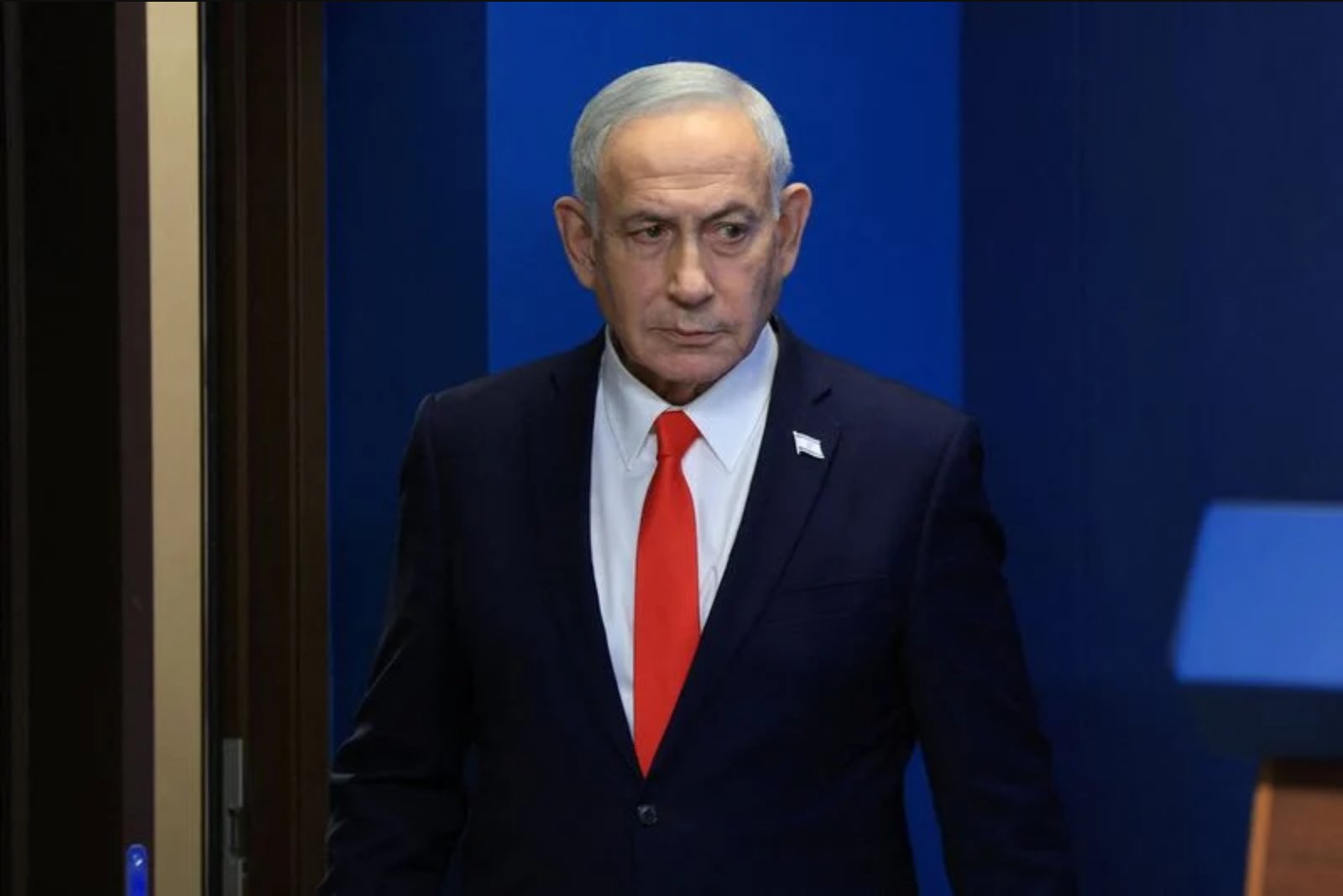
Israeli Prime Minister Benjamin Netanyahu visited territory in southern Lebanon currently under Israeli military control on Tuesday, saying Israeli forces will not withdraw from the country’s south while Hezbollah continues to threaten Israel. The prime minister spoke to troops during the visit and was accompanied by Defence Minister Israel Katz and senior military officials.
Netanyahu said Israel will maintain its presence in southern Lebanon until the threat posed by Hezbollah is removed. "Our insistence is that we will not leave southern Lebanon until the threat is removed," he said, according to a statement from his office, adding that "as long as Hezbollah remains here, armed and threatening us, we will remain here as well."
The visit comes after a security agreement reached last Friday between the Israeli and Lebanese governments and mediated by the United States. Under that U.S.-backed framework, Israeli forces are to withdraw from two designated "pilot zones" and allow the Lebanese armed forces to assume control of those areas. Officials have released few specifics about how the pilot zones will be implemented on the ground.
Since early March, Israeli forces have created a buffer zone penetrating roughly 10 kilometers into Lebanon along the length of the border, according to Israeli authorities. The military says the zone aims to protect northern Israeli communities from strikes launched by Hezbollah. Operations in the area have included the forced removal of local Lebanese residents from their homes, raids on villages, demolition of buildings, and the destruction of infrastructure that the military says is used by Hezbollah, including underground tunnels.
The fighting since March has had a severe human cost in Lebanon. More than 4,000 Lebanese have been killed and over one million people displaced by Israel campaign in Lebanon since March.
On the Israeli side, at least 32 soldiers and four civilians have been killed by Hezbollah, most of those casualties occurring in southern Lebanon. Netanyahu told troops that Hezbollah still possesses roughly 12,000 rockets and missiles. He also said Israeli forces had killed 9,000 militants in Lebanon, an apparent reference to combat operations since March 2. The armed group does not publish its own casualty figures. A May 4 report cited several thousand Hezbollah fighters killed in the hostilities.
Diplomatic efforts to halt the violence have involved external actors. Iran has repeatedly called for a ceasefire in Lebanon as part of its wider talks with the United States aimed at ending the conflict that began in February. Israel is not a direct participant in those negotiations and opposes tying progress in Lebanon to the separate hostilities involving Iran.
Under U.S. pressure, Israel agreed to a ceasefire with Hezbollah on June 19. Despite that agreement, exchanges of fire and violent incidents have continued. Hezbollah has objected to the negotiations between Israel and Lebanon and is not a party to those talks.
Context and operational questions
Although the security agreement envisions Israeli withdrawal from two pilot zones, few operational details have been published, leaving open questions about the timing and mechanics of the handover to the Lebanese army. Netanyahu's visit and statements emphasized that Israeli forces will sustain a presence until Hezbollah no longer poses a threat.
Human toll and displacement
The conflict has caused substantial civilian casualties and mass displacement within Lebanon and has resulted in fatalities among Israeli military personnel and civilians. The scale of destruction in southern Lebanon, including demolished buildings and disrupted infrastructure, has been highlighted by accounts of military raids and targeted operations against what Israeli officials describe as Hezbollah assets.
Military claims and reporting on losses
Netanyahu's figures on Hezbollah's arsenal and on militants killed reflect the Israeli government's assessments as conveyed during his address to troops. Independent confirmation of total losses is limited; Hezbollah does not publish casualty numbers, and reporting on casualty totals has varied.