
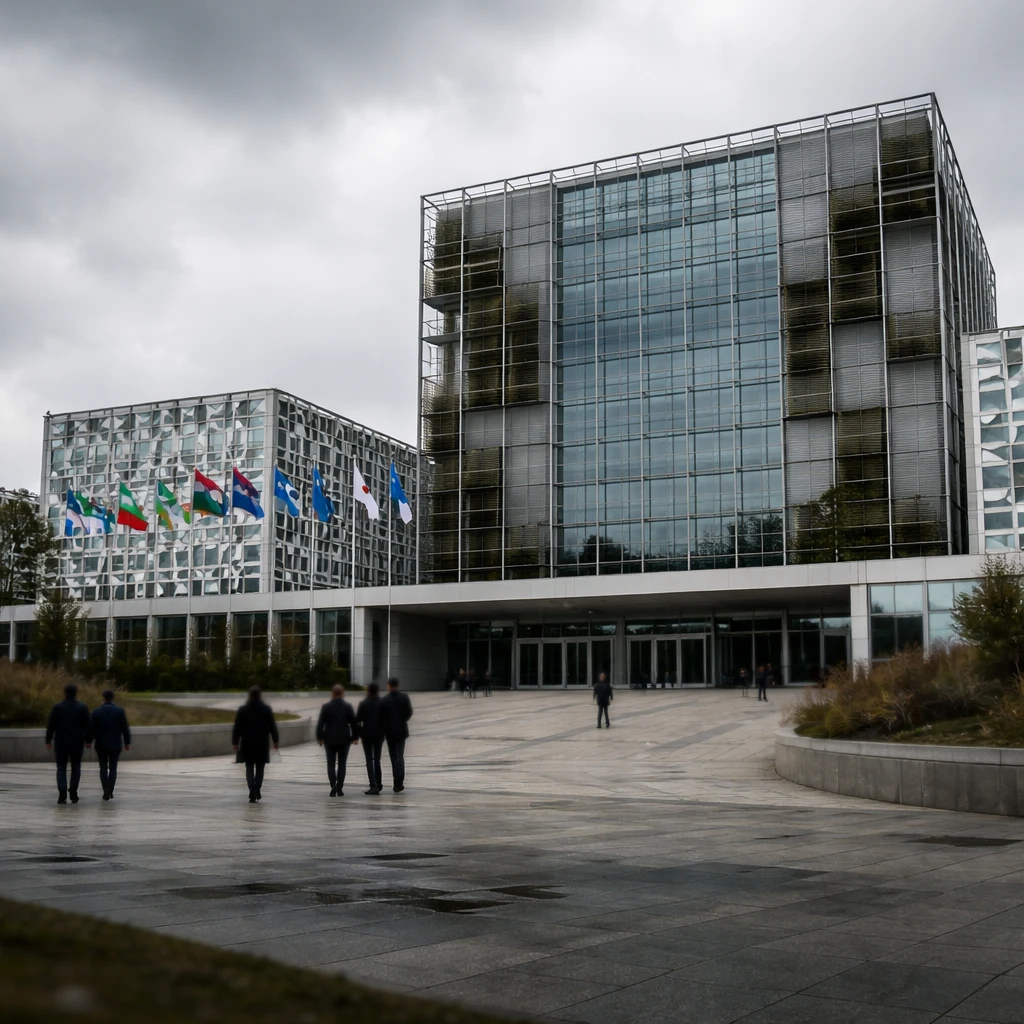
Overview
Karim Khan, once a prominent figure in international criminal justice, was removed from his post as prosecutor of the International Criminal Court after member states voted to dismiss him at a meeting held at United Nations headquarters in New York. The decision follows internal findings and allegations that Khan engaged in inappropriate sexual conduct with a junior lawyer in his office. The dismissal triggers a process to elect a new ICC prosecutor.
Public profile and a career in international law
Khan, who was born in Edinburgh to a Pakistani dermatologist and a British nurse, pursued legal studies in London and began his early legal career within the UK prosecution service. From 1997 to 2001 he served as a legal adviser for the Office of the Prosecutor at the United Nations ad hoc tribunals for the former Yugoslavia and Rwanda. He later worked on cases for the International Criminal Court involving Kenya, Sudan and Libya.
He gained significant attention early in the international media spotlight as a defence lawyer at the war crimes trial of former Liberian President Charles Taylor. On the opening day of that trial in 2007 Khan left the courtroom in dramatic fashion after saying Taylor had dismissed him, an episode that marked his emergence on the global legal stage.
As a practitioner, Khan won dismissal of the case against Kenya’s President William Ruto relating to post-election violence. He also led a United Nations team investigating Islamic State crimes in Iraq while later applying for the ICC prosecutor role. Although he initially failed to make the shortlist, Khan secured the position in 2021 following a campaign that involved intense political lobbying by the United Kingdom and a number of African states.
High-profile investigations and expanding scrutiny
After taking office, Khan travelled to multiple countries at the centre of ICC probes, including Ukraine, Israel and the occupied Palestinian territories. In 2023 the court issued an arrest warrant for Russian President Vladimir Putin; that development led to Khan being convicted in an in-absentia trial in Russia in 2025.
During his tenure, Khan emphasised prosecuting sexual crimes and advocating for the rights of children. He publicly asserted a commitment to impartial application of international law across varied situations, and he is a member of the Ahmadiyya Muslim community.
The Netanyahu warrants and diplomatic backlash
In May 2024 Khan announced he was seeking arrest warrants for Israeli Prime Minister Benjamin Netanyahu for alleged war crimes and crimes against humanity in Gaza, saying in a recorded message: "No one can act with impunity." The ICC judges later confirmed the warrants.
That move produced a sustained backlash. Israel and the United States strongly opposed the step, and some ICC member states, including Italy and Hungary, also signalled opposition. The United States imposed sanctions on 11 court officials, including Khan, and on several non-governmental organisations associated with the court’s Gaza-related work.
Allegations, investigation and dismissal
In October 2024 a junior lawyer in Khan’s office alleged sexual misconduct by the prosecutor. Khan denied the allegations. He took leave in May 2025, citing that intense media coverage made it difficult to carry out his duties.
On June 8 the executive bureau of the ICC’s governing body - composed of diplomats from member countries - issued a decision finding that Khan had engaged in an inappropriate sexual relationship with a junior lawyer and recommended his dismissal, according to ICC documents. U.N. investigators, as reflected in ICC documentation, dismissed suggestions that the alleged victim had ties to foreign intelligence agencies.
Khan and his legal team have suggested in interviews that the misconduct allegations may be linked to a political pressure campaign by Israel and its allies. Israel’s ambassador to the United Nations, Danny Danon, accused Khan of attempting to "scapegoat Israel in an attempt to divert attention from his own misconduct" and said the international community rejected that approach.
On the Friday following the executive bureau decision, ICC member states cast votes that resulted in Khan’s dismissal. France, the Netherlands and Norway have publicly stated they supported removing him. The vote sets in motion an election to appoint a successor to the prosecutor’s office.
Implications going forward
The removal of Khan concludes an exceptionally contentious chapter for the ICC, combining high-profile legal action against a sitting head of government with allegations of personal misconduct at the institution’s highest prosecutorial level. The court now faces the task of selecting a new leader while managing ongoing political pressure and scrutiny arising from its work on multiple, sensitive international situations.