
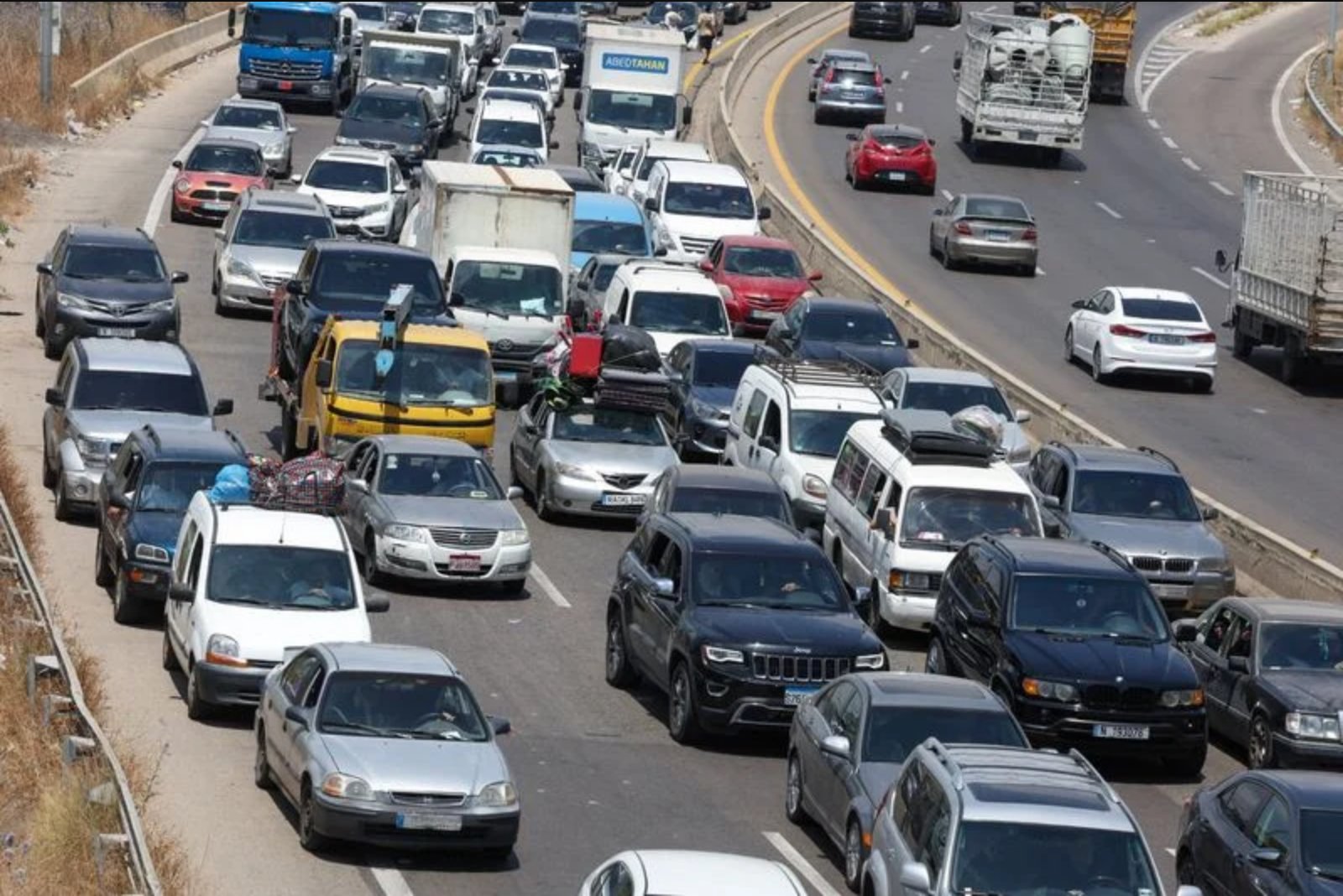
Lebanese officials say approximately 400,000 people who fled their homes during the recent conflict have returned to towns and villages in southern Lebanon, with more expected to come back in the next week as a relative pause in fighting has allowed movement, a government minister said on Tuesday.
Authorities estimate that since March around 1 million people were forced from their homes. Of those displaced, about 40% have now gone back to their home areas, according to Hanine El Sayed. Nevertheless, a substantial number remain unable to return because their homes were destroyed or rendered unusable.
The population staying in collective shelters has fallen markedly, from roughly 37,000 to about 13,000, El Sayed said. While some shelter locations will stay open for families who cannot yet return, aid operations - including emergency cash support - will continue to assist those still displaced.
At the peak of the crisis there were 692 shelter centres; that number has declined to 479, with additional centres established in Nabatieh to accommodate people who prefer to stay near their home areas.
"These are families that are able to return to something, at least the basic minimum," El Sayed told Reuters. "The fact that the others have not returned means they have a much harder situation."
El Sayed cautioned that headline figures mask significant variation between those who can return and those who cannot. Authorities expect to see additional returns over the coming days and hope to have a clearer picture within about a week on how many families cannot go back at all.
"In about a week’s time ... we would really know the size of the problem - how many absolutely cannot return because their homes have been totally damaged," she said.
For many who do return, resuming normal life is not immediate. Families are frequently confronted with damaged houses, limited access to electricity and water, and ruined businesses and livelihoods. The government is working to restore essential services and expand forms of support, including cash assistance, rental subsidies and employment programmes.
Despite the difficult conditions, a number of displaced people are opting to go back to their towns and villages. "Many of the people of the south are very attached to their land and they want to rightfully make a claim back to it," El Sayed said.
Lebanon's government has warned that rebuilding will require substantial funding that it does not currently possess. Nearly 90,000 housing units have been totally or partially destroyed in the latest round of fighting, adding to damage from earlier hostilities.
As returns continue and assessment teams quantify damage, officials say they will better understand how many families will need long-term housing solutions and reconstruction support. In the meantime, immediate humanitarian assistance and shelter capacity remain important to address the needs of those still displaced.
Summary
About 400,000 displaced people have returned to southern Lebanon amid a lull in fighting, while roughly 1 million were displaced since March. Around 40% have returned, shelter populations dropped from 37,000 to about 13,000, and the number of shelters fell from 692 to 479. Nearly 90,000 housing units were totally or partially destroyed; the government lacks the funds it says will be necessary for reconstruction.
Key points
- Approximately 400,000 displaced people have returned to southern Lebanon; more returns are expected in the coming week - impacts housing and humanitarian aid sectors.
- Collective shelter occupancy declined sharply to about 13,000 from 37,000 and the number of shelters decreased from 692 to 479, with additional centres opened in Nabatieh - affects shelter management and non-profit relief operations.
- Nearly 90,000 housing units were totally or partially destroyed and the government says it does not have the billions needed for reconstruction - this has implications for construction, materials, and public infrastructure investment.
Risks and uncertainties
- Significant numbers of families may be unable to return because their homes are totally damaged - risk to housing market recovery and rental demand.
- Restoration of basic services such as electricity and water is incomplete, limiting economic activity and hindering business recovery in affected areas - risk to utilities and local commerce.
- Insufficient government funding for comprehensive reconstruction creates uncertainty over the pace and scale of rebuilding - impacts construction sector, suppliers, and employment programmes.
Tags: Lebanon, Displacement, Housing, Shelters, Reconstruction