
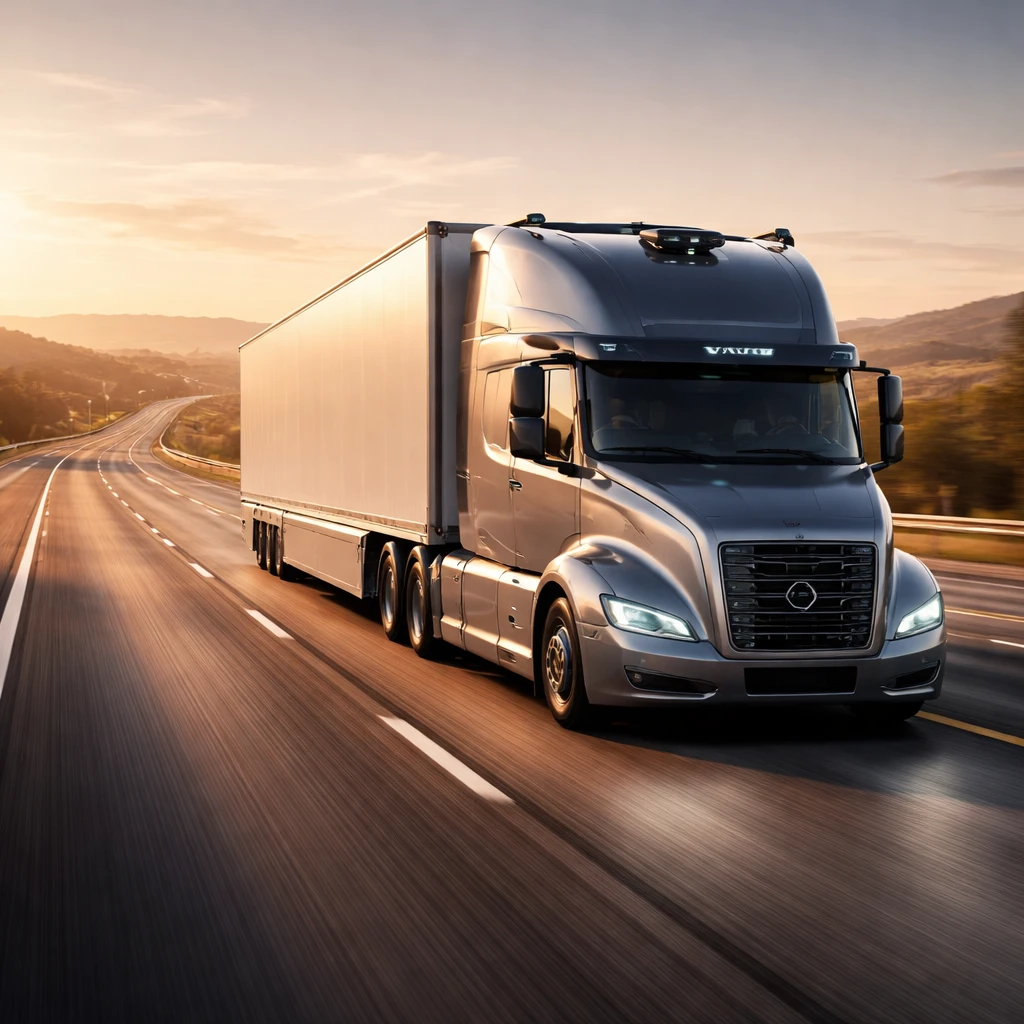
Volvo AB outlined a commercial roadmap for its autonomous trucking unit on Wednesday, projecting that revenue from autonomous transport could reach nearly $3 billion within five years. The Swedish truckmaker said it plans to begin driverless operations on United States highways in the first quarter of 2027 and to have more than 300 autonomous trucks running on those roads by the end of that year, according to Nils Jaeger, head of Volvo's autonomous division.
"We are a first mover and we are here to scale this business," Jaeger said during the investor meeting, presenting the clearest view to date of how Volvo intends to monetise robo-truck technology.
The company argues that driverless capabilities can materially change fleet economics by increasing the effective utilisation of each vehicle. Jaeger said autonomous trucks could double vehicle usage by operating outside the legal driving limits that apply to human drivers. Volvo sees this as a means to help fleets cope with driver shortages while lifting productivity.
The autonomous targets were delivered alongside broader growth expectations for Volvo's core businesses. Executives at the Sweden event indicated they expect both the truck unit and the construction equipment division to expand at rates faster than their historical norms, forming part of a multi-pronged growth plan.
Chief Executive Officer Martin Lundstedt told investors that demand for transport and infrastructure solutions should continue rising despite geopolitical uncertainty. Chief Financial Officer Mats Backman reported that customer demand remained solid in Europe through April and May, and that North American demand stayed strong. Volvo said it is now taking orders out into the third and fourth quarters and is gradually increasing production capacity to meet that demand.
Backman also warned that rising freight and raw-material costs linked to tensions in the Middle East are contributing to higher cost inflation. He said those pressures will increase second-quarter costs.
Context and commercial focus
Volvo's plan centres on scaling autonomous operations as a new revenue stream while leveraging improvements in vehicle utilisation to make fleets more productive. The company believes early deployment on highways in the United States will allow it to demonstrate and expand commercial driverless services that can contribute meaningfully to group revenue over the medium term.
Execution items flagged by management
- Launch of driverless operations on US highways in Q1 2027.
- More than 300 autonomous trucks targeted to be in operation by the end of 2027.
- Expectation that autonomous transport revenue will approach $3 billion within five years.
The statements from Volvo provide specific milestones for investors to monitor as the company moves from pilot deployments toward scaled commercial operations, while also signalling broader demand and cost trends across its legacy businesses.