
Stock Markets July 28, 2026 02:59 PM

U.S. Moves to Block Imports of Chinese Humanoid Robots and Connected Power Inverters

Federal Communications Commission action targets advanced robotics and grid-tied inverters over national security concerns and supply-chain risk

By Caleb Monroe
Share
Twitter Reddit Facebook LinkedIn
ENPH SEDG VRT GEV

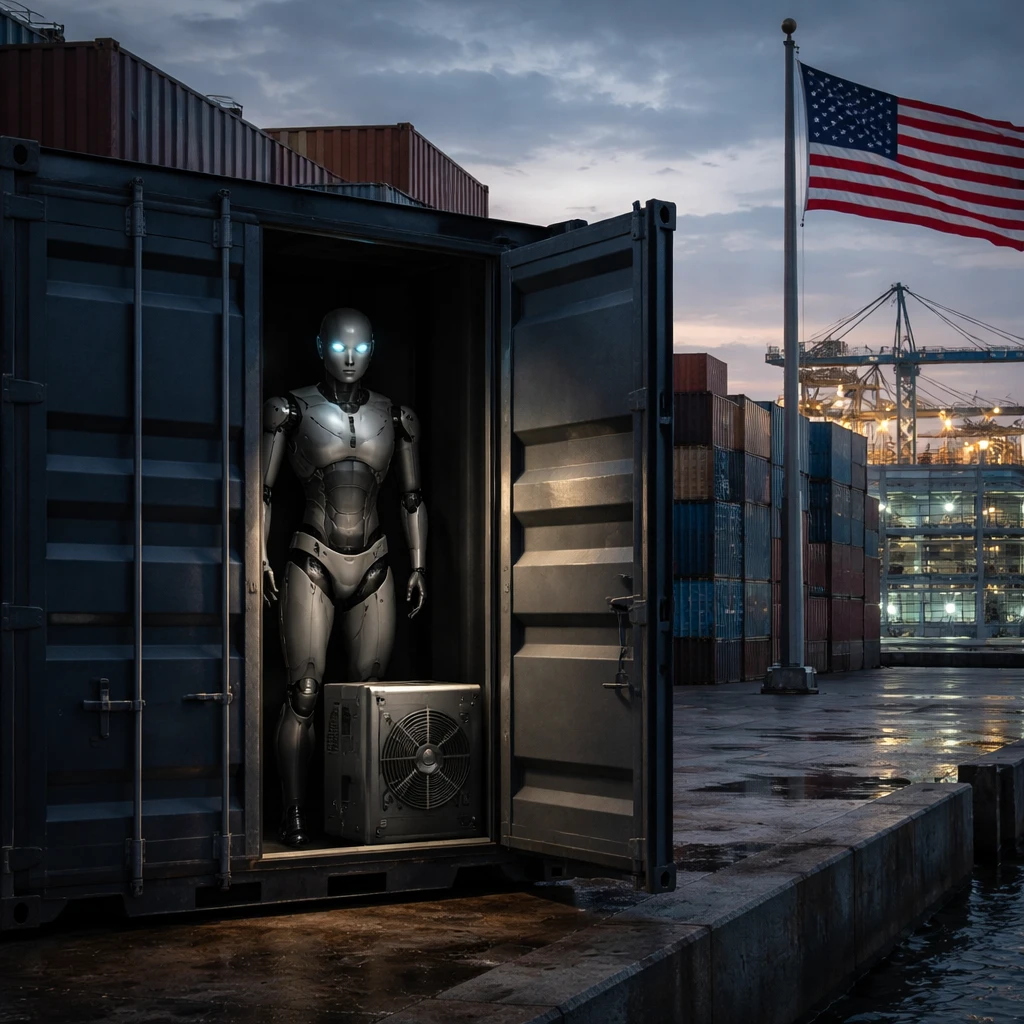
The Trump administration, acting through the Federal Communications Commission, announced import restrictions on Chinese-made humanoid and quadruped robots and on connected power inverters. Officials said the measures are aimed at mitigating national security risks tied to artificial intelligence, data theft, and vulnerabilities in energy supply chains, while also encouraging relocation of manufacturing to the United States.

U.S. Moves to Block Imports of Chinese Humanoid Robots and Connected Power Inverters
ENPH SEDG VRT GEV
Summarize with
ChatGPT Perplexity Claude Grok Gemini

Key Points

  • The FCC announced import restrictions on Chinese-made humanoid and quadruped robots and on connected power inverters, citing national security concerns tied to AI and energy supply chains.
  • Officials warn that advanced robots' connectivity features and foreign-made inverters could enable data theft, cyberattacks, unauthorized data collection, or remote control vulnerabilities, posing risks to critical infrastructure such as data centers and the energy grid.
  • The administration stated the restrictions aim to encourage companies to relocate manufacturing operations to the United States and are part of a broader effort to decouple strategic U.S. supply chains from China.

The Trump administration has announced new import restrictions on Chinese-made advanced robots - specifically humanoid and quadruped models - and on connected power inverters, implementing the measures through the Federal Communications Commission.

Officials framed the bans as responses to national security threats associated with artificial intelligence and energy supply chains. Regulators described the actions as steps to reduce risks such as data theft, cyberattacks, and the potential for disruptions to critical infrastructure.

The administration said the restrictions are designed, in part, to motivate companies to move manufacturing operations to the United States rather than retain production abroad.

Scope of the restrictions

Regulators signaled that the robotics targeted are sophisticated platforms that combine artificial intelligence with sensors and continuous data processing. The concern, as explained by officials, is that connectivity systems embedded in foreign-made machines could provide pathways for corporate espionage, unauthorized collection of sensitive data, or remote-control vulnerabilities.

Connected power inverters - devices that convert direct current from renewable energy sources and battery systems into alternating current for electrical grids and data centers - were also singled out. The administration characterizes these components as critical pieces of the computing infrastructure that supports AI models, and therefore points to the need for greater control over their provenance.

The FCC emphasized the importance of securing hardware that delivers power to data centers to guard against possible supply chain manipulation and cyber threats that could affect the energy grid.

Policy context

Officials described the import bans as part of a broader policy approach aimed at separating U.S. supply chains from China in sectors viewed as strategically important. The measures focus on hardware that intersects both advanced computing and energy delivery systems, reflecting policymakers' concerns about the intersection of AI capabilities and the physical infrastructure that supports them.


Summary

The U.S. government, via the FCC, announced import bans on Chinese-made humanoid and quadruped robots and on connected power inverters, citing national security risks tied to AI, data integrity, and energy supply-chain vulnerabilities. The measures are also intended to encourage reshoring of manufacturing to the United States.

Risks

  • Potential for data theft and cyberattacks tied to connectivity in advanced robotics, affecting companies and sectors relying on AI-enabled machines.
  • Supply chain manipulation or cyber threats to the energy grid and computing infrastructure via compromised power inverters, posing risks to data centers and critical energy systems.
  • Uncertainty for manufacturers and supply chains in robotics and renewable energy inverter markets as policy shifts encourage relocation of production, creating operational and market risks for affected firms.

More from Stock Markets

X Challenges Australia's Teen Account Ban, Says Proposed Enforcement Powers Clash With International Law Jul 28, 2026 Wall Street Futures Slip Ahead of Fed Decision and Big Tech Earnings as Middle East Tensions Flare Jul 28, 2026 TSMC Gradually Restarts Japan Fab After Kumamoto Quake; Inspections Underway Jul 28, 2026 Takaichi Signals Temporary Cut to Japan's Reduced Food Consumption Tax, Yomiuri Reports Jul 28, 2026 Security Council to Begin Closed-Door Straw Polls on Thursday to Narrow UN Secretary-General Field Jul 28, 2026