
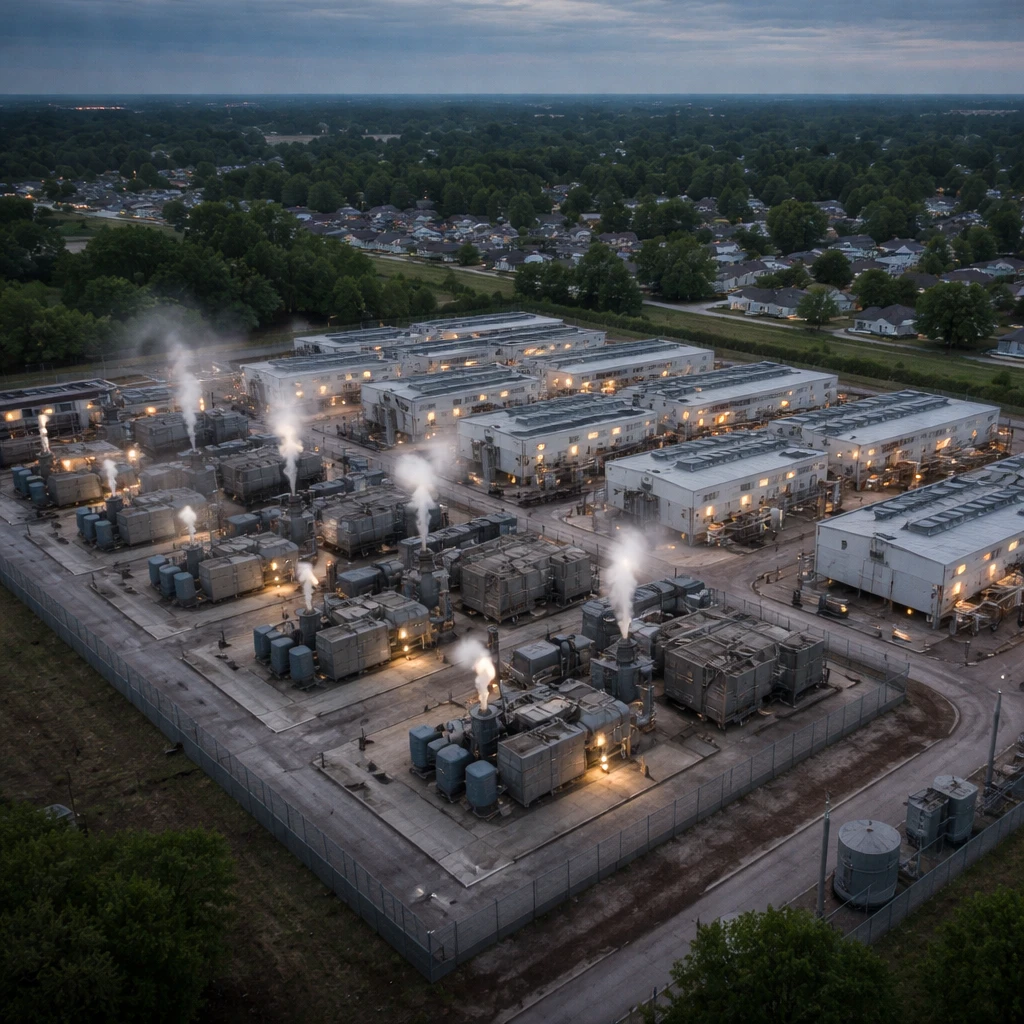
Representative Frank Pallone, the top Democrat on the House Energy and Commerce Committee, has formally requested information from Elon Musk about the environmental and health impacts of xAI's Colossus data centers in Tennessee and Mississippi.
In a letter sent to Musk, Pallone asked for documentation and answers related to the turbines used at the Colossus 1 and Colossus 2 artificial intelligence facilities. The request specifically seeks turbine specifications, emissions monitoring data, permitting paperwork and records of communications between xAI or SpaceX representatives and government officials.
Beyond those records, the congressman requested any analyses the company has conducted examining the facilities' emissions profiles, electricity consumption and water usage. Pallone also asked to coordinate a visit to the data center sites with committee staff, indicating oversight interest in direct observation of operations.
Pallone said his staff had met with representatives of SpaceX, which owns xAI, last month but found the company unwilling to provide sufficient information. In the letter, he accused the company of showing "disregard for the health and well-being of local communities."
The inquiry comes as lawmakers and regulators intensify scrutiny of the rapid expansion of AI computing capacity and the energy demands and environmental consequences that accompany it.
Separately, reporting this month indicated that xAI had installed 59 natural gas turbines for its Colossus 2 project without obtaining federal clean-air permits, based on communications between regulators and company representatives. That reporting said the turbines were placed near predominantly Black communities and that projected emissions crossed thresholds that would ordinarily trigger federal permitting requirements.
SpaceX did not immediately provide a response to requests for comment.
Summary of requests from Representative Pallone:
- Turbine details for Colossus 1 and Colossus 2;
- Emissions data and permitting records;
- Communications with government officials;
- Analyses of emissions, power consumption and water use;
- Arrangement of a site visit with committee staff.
This review reflects congressional attention to the environmental footprint of major AI infrastructure projects and to compliance with federal permitting rules, as described in the reporting cited by Pallone's office.