
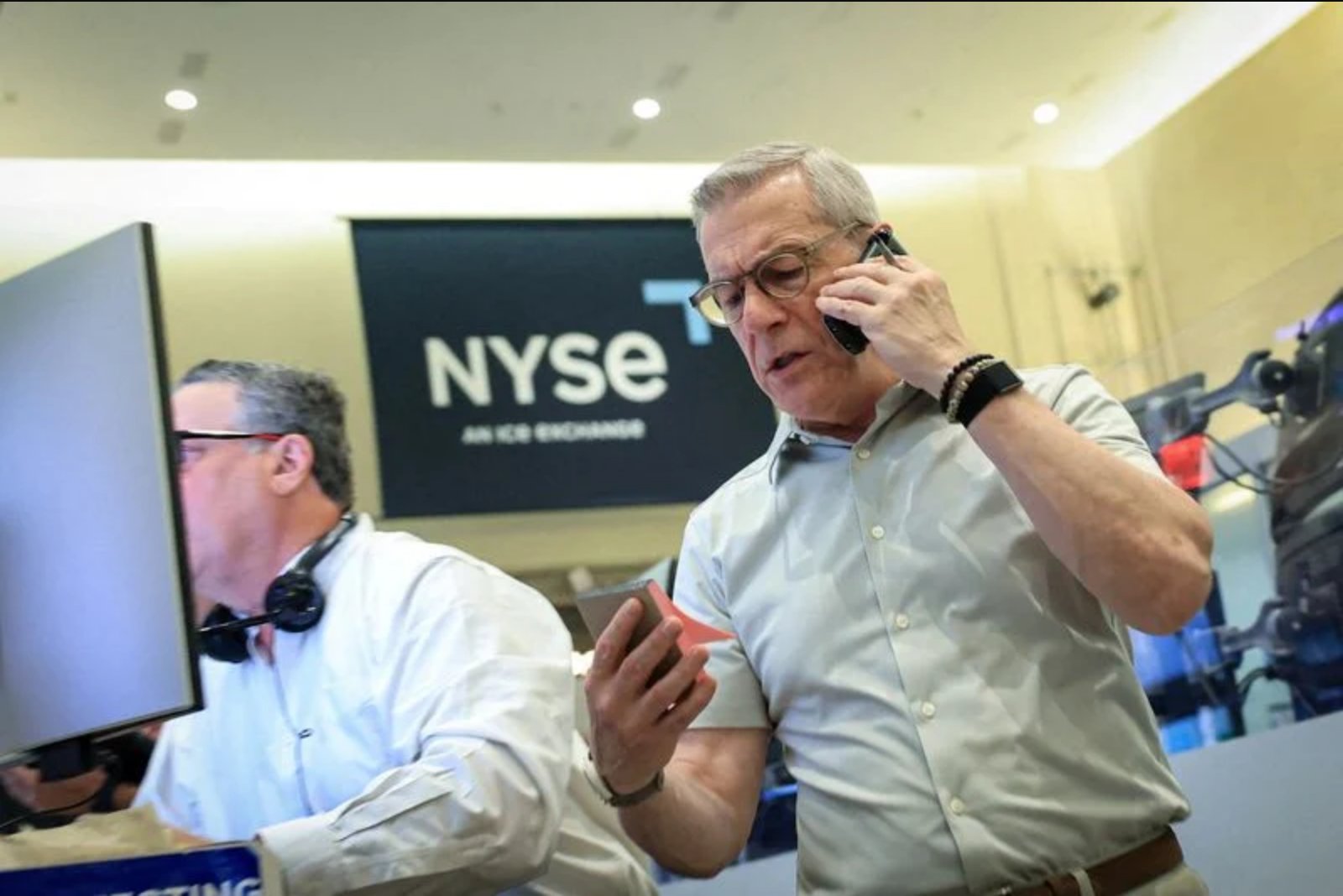
Futures for the tech-heavy Nasdaq 100 were signaling a heavy slide on Tuesday, pointing to more than $1 trillion in potential market-value erosion as major technology firms and semiconductor stocks weakened.
Shares of SpaceX fell sharply in premarket trading, sliding 3.6% to $149.10, which would leave the company with a market capitalization of $1.95 trillion if losses hold. That figure would mark SpaceX falling below $2 trillion for the first time since its U.S. market debut. The company has surrendered more than $600 billion in market value over the past three sessions, and its share price is now only about 9% above its IPO price of $135, underscoring how last week’s blistering post-IPO rally has lost momentum.
Nasdaq 100 futures dropped 2.5%, implying a potential fall of more than 700 points at the opening bell. Based on Reuters calculations, a 2.79% decline in the index would translate to a $1.15 trillion reduction in market value.
Semiconductor names, which have been among the leading beneficiaries of investor enthusiasm around artificial intelligence this year, experienced particularly heavy declines. Intel shares were off 6.8% and Advanced Micro Devices fell 5.2%. Memory-focused companies also recorded steep drops: Micron Technology declined 8%, SanDisk fell 9.2% and Western Digital lost 7.5%. Memory chipmakers in South Korea likewise suffered sharp losses.
Six of the seven stocks commonly grouped as the "Magnificent Seven" - the largest technology firms on Wall Street - traded lower as investor scrutiny around elevated AI-related spending intensified. Alphabet fell 2.1%, Amazon.com slid 1%, Tesla dropped 3%, Nvidia declined 3% and Apple was down 0.4%. Taken together, those companies would see a combined reduction in market value of roughly $345 billion if the indicated losses persist.
Investor concern about the outlook for U.S. interest rates also pressured risk sentiment. The CME Group’s FedWatch Tool showed traders pricing in a total of 50 basis points of additional rate increases by December, up from expectations for a single 25-basis-point rise seen two weeks earlier. Market participants have adjusted bets in response to expectations of a more hawkish policy stance under the new Federal Reserve chair, Kevin Warsh.
The market moves reflect a confluence of factors cited by investors: cooling momentum behind newly public stocks, renewed profit-taking in technology names that led recent gains, and escalating concerns that higher interest rates could weigh on valuations. The extent of Tuesday’s fall remained contingent on how markets opened and whether selling pressure persisted through the trading day.
Contextual note - Some investors are reassessing positions as a wave of AI infrastructure spending by major technology companies has yet to produce universally clear evidence that such expenditures will deliver commensurate returns. That dynamic is one reason several of the largest tech firms showed weakness on Tuesday.