
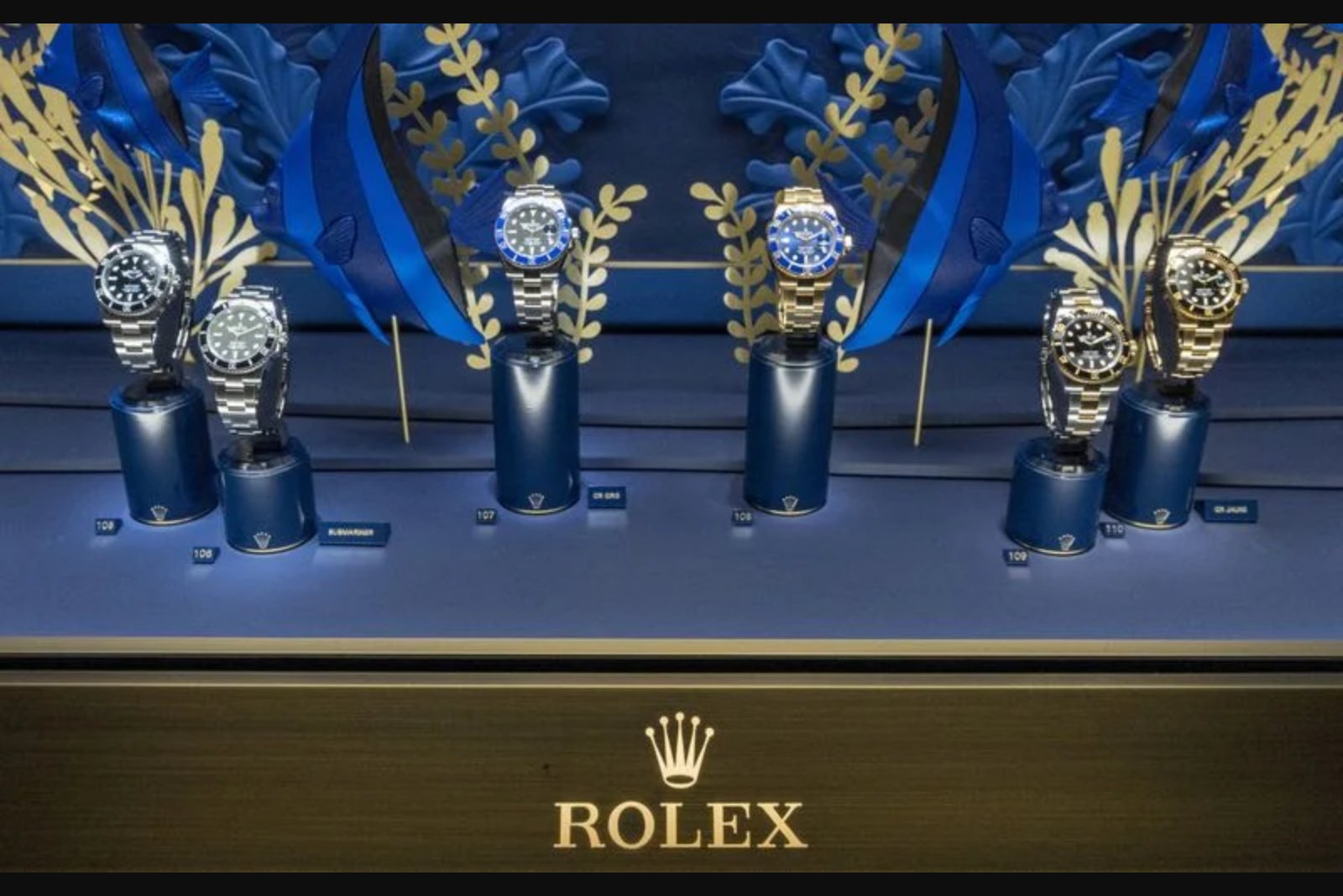
Rolex has applied a further round of price increases to its gold watches, raising average global prices by about 5% this month in principal markets including Britain, Hong Kong and the United States, according to two luxury research platforms and two dealers. The adjustment represents a rare second rise in the same year for the brand.
The latest adjustment follows a larger, earlier price increase in January that WatchCharts reported as averaging 6.2% in Germany, Hong Kong, Japan, the United Kingdom and the United States. That January move, however, was not global and was not limited to gold models.
The second hike surprised some market participants. "No one saw it coming," said Eric Boneta, a U.S. certified pre-owned watch dealer, responding to the announcement of the newest increase.
Rolex did not provide a comment for this report. Two luxury groups mentioned in market commentary also did not provide direct responses; Richemont did not reply to a request for comment, while its annual report had previously said the group had implemented measured price increases at its Jewellery Maisons, including Cartier, and cited rising gold costs and currency swings as drivers.
Other brands have been raising prices on precious-metal watches as well. Mark Xu, head of marketing at research platform WatchCharts, noted that Richemont-owned Cartier increased prices on its gold watches by up to 10% last month.
Industry research firms and dealers describe a market where demand for high-end, precious-metal models remains robust even as spending by more middle class buyers has softened. "Luxury watchmakers, seeking to capture the elite that still has money to spare, were encouraging clients toward precious-metal and higher-end references," said Zouheir Guedri, founder of luxury research firm Data&Data.
Gold itself has experienced a pronounced move higher. According to market commentary cited in reporting, gold prices have almost doubled since 2024 to reach roughly $4,200 an ounce. That surge in the metal's price has coincided with manufacturers and maisons applying selective price increases to watches made in gold.
For some individual models, the cumulative effect of recent price moves has been substantial. A white gold version of Rolex's Cosmograph Daytona, a model noted for its historic popularity, is priced at $59,100 in the United States, an increase of 14% so far this year and 33% since 2024.
At the sector level, the premium end of Swiss watch exports has expanded as a share of overall industry value. Vontobel analysts noted that Swiss exports of watches valued at more than 20,000 Swiss francs have more than doubled from pre-pandemic levels and made up more than two-thirds of the industry's total value of 24.4 billion francs in 2025, up from a 22% share in 2019.
Observers tracking demand dynamics expect supply constraints to persist relative to demand for Rolex models. "It comes down to brand desirability," said Simon Lazarus, head of PR and content at online luxury watch platform Chrono Hunter. "Rolex has always been the high flyer."">
The industry has seen exceptional pricing moves in recent years for a variety of reasons. Last year, multiple price increases across the sector were partly driven by U.S. import tariffs, which are now at 10% for Switzerland, the home of the world's largest watch-making sector, a factor that influenced pricing decisions in some markets.
Market context and data points
- Rolex applied an average 5% global price increase this month on its gold watches, with the change reported by two luxury research platforms and two dealers.
- WatchCharts reported an earlier January average price increase of 6.2% in specified markets for Rolex watches.
- Cartier raised prices on gold watches by up to 10% last month, according to WatchCharts' marketing head.
- Gold prices rose to about $4,200 an ounce, almost double since 2024.
- A white gold Cosmograph Daytona is listed at $59,100 in the U.S., up 14% this year and 33% since 2024.
- Swiss watch exports above 20,000 Swiss francs have more than doubled from pre-pandemic levels and accounted for over two-thirds of the 2025 industry value of 24.4 billion francs.
Summary
Rolex's latest round of price increases on gold models, coming after a January rise, demonstrates continued price adjustments in the luxury watch segment driven by elevated gold prices, currency movements and sustained demand from affluent customers. Other major maisons have followed similar pricing strategies, and the premium portion of Swiss watch exports has grown markedly as a share of total industry value.
Additional note
The reporting here reflects market commentary, dealer observations and figures provided by industry analysts and research platforms. ($1 = 0.7988 Swiss francs)