
Rivian Automotive reported second-quarter revenue of $1.66 billion on Wednesday, topping analyst expectations of $1.5 billion and representing a 27% increase from the same quarter last year. The electric vehicle manufacturer also posted earnings per share of -$0.47, beating the consensus -$0.67, and returned to a gross profit of $179 million after reporting a loss in the comparable period a year earlier.
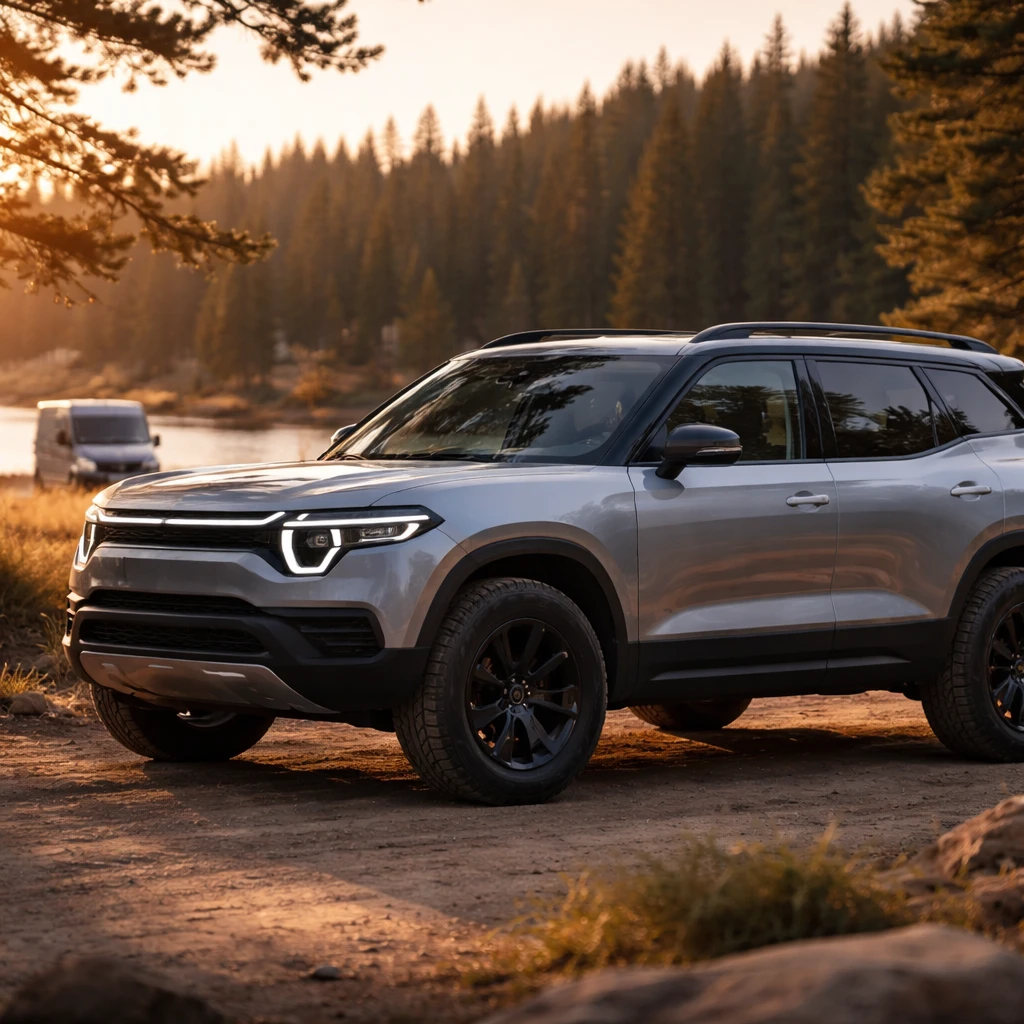
Deliveries of the new R2 SUV, which began external customer shipments on June 9, contributed to the higher volume during the quarter. Rivian delivered 12,194 vehicles and produced 12,613 units at its Normal, Illinois assembly complex over the quarter.
On a business-segment basis, automotive revenue reached $1.143 billion, up 23% year-over-year. That gain was supported by increased vehicle deliveries and $103 million in regulatory credit revenue. Software and services revenue climbed 37% to $515 million, of which $308 million was attributable to the companys joint venture with Volkswagen Group.
Rivian significantly narrowed its automotive gross loss to $36 million from a $335 million shortfall in the second quarter of 2025. The company said it recognized roughly $100 million in additional costs tied to the R2 production ramp during the quarter.
"I believe R2 will be a game changer for our customers and a driver of Rivian's long-term growth and profitability," said RJ Scaringe, Rivian founder and CEO. "The U.S. automotive marketplace is starved for high-quality EV choice, and I believe R2 is an attractively priced option for everyday adventures that will resonate with a broad set of consumers."
Rivian closed the quarter with $5.3 billion in cash, cash equivalents, and short-term investments. In July, the company completed a follow-on equity offering, raising approximately $1.3 billion through the sale of 86.25 million Class A shares.
Looking to future funding, Rivian expects to receive $1 billion in non-recourse debt financing from Volkswagen Group and an additional $250 million equity injection from Uber later this year, both subject to certain conditions.
For full-year 2026 guidance, the company projects vehicle deliveries between 65,000 and 70,000 units, adjusted EBITDA in a range of -$2.00 billion to -$1.80 billion, and capital expenditures of $1.70 billion to $1.80 billion.
On profitability, Rivian reported a net loss attributable to common stockholders of $837 million for the quarter, improved from a $1.115 billion loss in the same period a year earlier. Adjusted EBITDA was -$379 million, an improvement from -$667 million year-over-year.
Commercial activity also featured prominently in the update. Amazon now operates more than 40,000 Rivian Electric Delivery Vans across North America, and Rivians Commercial Van platform surpassed one billion miles driven in the second quarter.
Implications and context
The quarter showed a mixture of operational progress and ongoing investment needs. Revenue and margin improvements reflect stronger deliveries and expanded software and services contribution, while the R2 rollout added both volume and incremental ramp costs. Liquidity improved via the follow-on equity raise, but planned financings from Volkswagen and Uber remain contingent on future steps. The companys 2026 targets indicate continued scale-up ambitions alongside sizable negative adjusted EBITDA and meaningful capital spending.