
Stock Markets April 20, 2026 08:42 PM

Rio Tinto Q1 iron ore output rises despite cyclone-related shipment losses

Pilbara production posts double-digit gain while cyclone disruptions shave shipments; company keeps full-year guidance amid cost and supply-chain pressures

By Hana Yamamoto
Share
Twitter Reddit Facebook LinkedIn
RIO

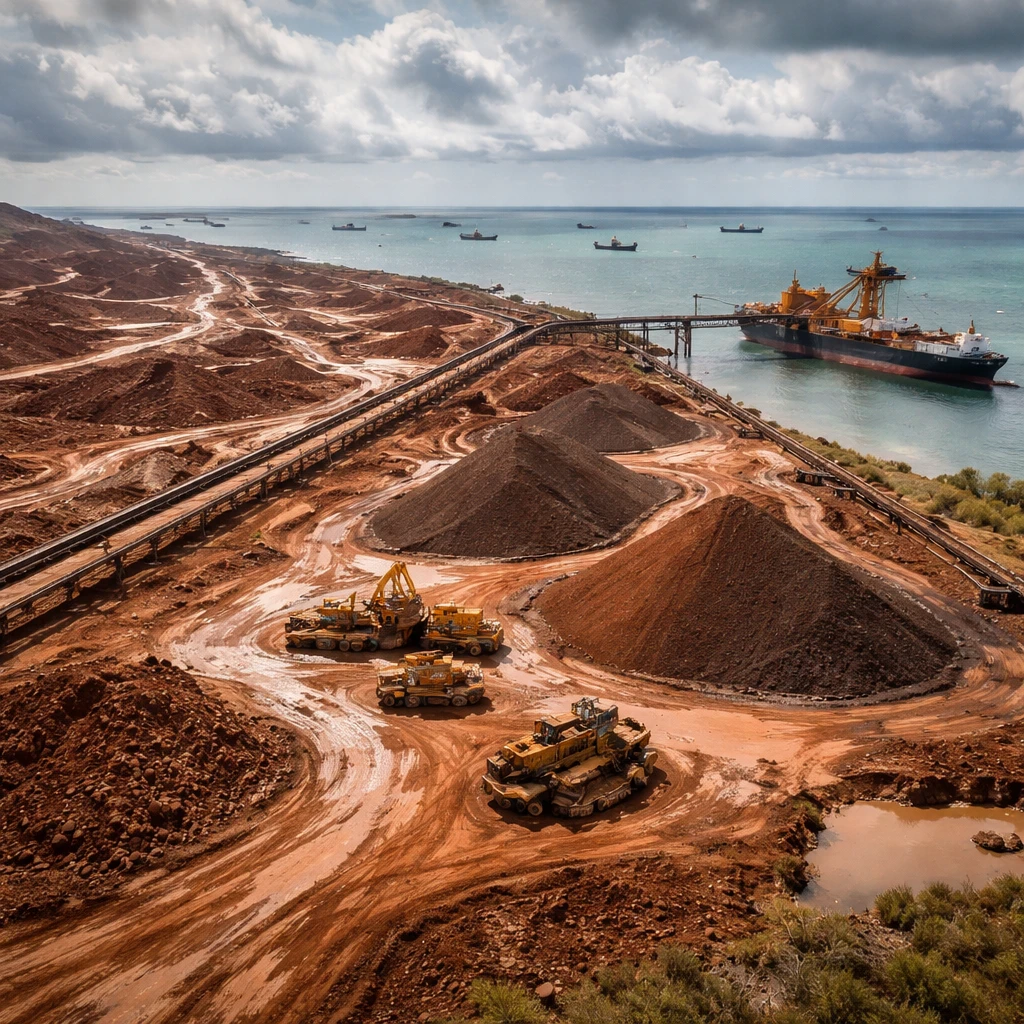
Rio Tinto reported higher first-quarter iron ore production and modest sales gains despite tropical cyclone disruption in Western Australia that reduced shipments by about 8 million tonnes. The miner said improved mine productivity drove overall production up 12% to 82.8 million tonnes, with Pilbara output rising 13% to 78.8 million tonnes. Management maintained full-year production and sales guidance while warning of possible cost pressure from rising fuel prices and continued supply-chain risks.

Rio Tinto Q1 iron ore output rises despite cyclone-related shipment losses
RIO
Summarize with
ChatGPT Perplexity Claude Grok Gemini

Key Points

  • Pilbara iron ore production increased 13% year-on-year to 78.8 million tonnes, the second-highest Q1 output since 2018; Pilbara sales rose 2% to 72.4 million tonnes.
  • Cyclone-related disruptions in Western Australia reduced shipments by about 8 million tonnes, with roughly half of that volume expected to be recovered in coming quarters.
  • Overall iron ore production rose 12% to 82.8 million tonnes; copper output increased 9% to 229,000 tonnes, aluminium production edged up 1%, alumina rose 6%, while bauxite fell 11% due to heavy rainfall and cyclone effects.

Rio Tinto reported an increase in first-quarter iron ore output and a small rise in sales on Tuesday, even as tropical cyclone activity in Western Australia constrained shipments.

Pilbara production climbed 13% year-on-year to 78.8 million tonnes in the quarter, the company said, representing the second-highest first-quarter total since 2018. Pilbara sales rose 2% to 72.4 million tonnes.

Storms disrupted shipments in the region, cutting volumes by about 8 million tonnes. Rio Tinto said roughly half of the lost volumes are expected to be recovered in the coming quarters, indicating partial recovery rather than full immediate restitution of flows.

Overall iron ore production increased 12% to 82.8 million tonnes, a result the company attributed to improved mine productivity that helped offset weather-related interruptions to operations and logistics.

On the bourse, Sydney-listed shares of the miner were up 0.5% in early trading following the release of the quarterly figures.

Rio Tinto also reported gains across other commodities. Copper equivalent production rose 9%, supported by a ramp-up at its Oyu Tolgoi project, with total copper output up 9% to 229,000 tonnes. Aluminium production increased 1%, while alumina output climbed 6%.

By contrast, bauxite production fell 11%, with the company linking the decline to heavy rainfall and cyclone impacts that affected operations.

Despite the weather disruptions and the hit to shipments, Rio Tinto kept its full-year production and sales guidance unchanged. However, management warned of potential headwinds, citing the possibility of higher fuel prices and ongoing supply-chain risks that could exert upward pressure on costs.


Market context and operational notes

The company attributed the quarter's volume growth to better mine productivity, while acknowledging that the cyclones curtailed shipments and reduced bauxite output. Management expects around half of the roughly 8 million tonnes of lost shipment volume to be recovered over upcoming quarters, leaving some uncertainty in near-term logistics and delivered volumes.

Takeaway - Rio Tinto delivered solid production gains across core commodities in the first quarter, upheld its full-year guidance, and flagged cost and supply-chain risks that market participants will monitor as the year progresses.

Risks

  • Weather-related disruptions - tropical cyclones and heavy rainfall reduced shipments and bauxite production, creating near-term volatility in delivered volumes and logistics.
  • Cost pressure from higher fuel prices - management flagged potential upward pressure on operating costs that could affect margins across commodities.
  • Ongoing supply-chain risks - continued logistical and supply-chain challenges may impede recovery of lost volumes and complicate delivery schedules for mined products.

More from Stock Markets

SpaceX IPO Forces Reconsideration of 'Magnificent Seven' Label as Market Roster Expands Jun 13, 2026 Two phones, a VPN and a state app: How Russians navigate tighter internet controls Jun 13, 2026 Indian regulator warns Tata Electronics plant after alleged wastewater seepage taints farm wells Jun 13, 2026 Bullion Boom Drives Some Gold Watches to the Crucible Jun 13, 2026 Beijing Protests Pentagon Additions of Major Chinese Tech Firms to Defense List Jun 12, 2026