
Stock Markets June 30, 2026 05:36 PM

Kura Sushi Aims for 20% Annual U.S. Store Growth as Competition Looms

Conveyor-belt sushi operator pursues rapid U.S. expansion with a longer-term goal of roughly 300 locations

By Maya Rios
Share
Twitter Reddit Facebook LinkedIn
KRUS

Kura Sushi Inc. (KRUS) is targeting a 20% annual increase in U.S. locations as it presses to capture market share ahead of new entrants. The chain expects to exceed 100 U.S. restaurants this year after earlier equipment delays, and remains committed to expansion rather than slowing growth to chase quicker profitability.

Kura Sushi Aims for 20% Annual U.S. Store Growth as Competition Looms
KRUS
Summarize with
ChatGPT Perplexity Claude Grok Gemini

Key Points

  • Kura Sushi is targeting 20% annual U.S. store growth and expects to exceed 100 U.S. locations this year.
  • The chain aims for about 300 U.S. restaurants over the longer term and will not slow expansion to seek faster profitability.
  • The plan affects restaurant operators and consumer discretionary spending, and relates to retail real estate demand tied to new store openings.

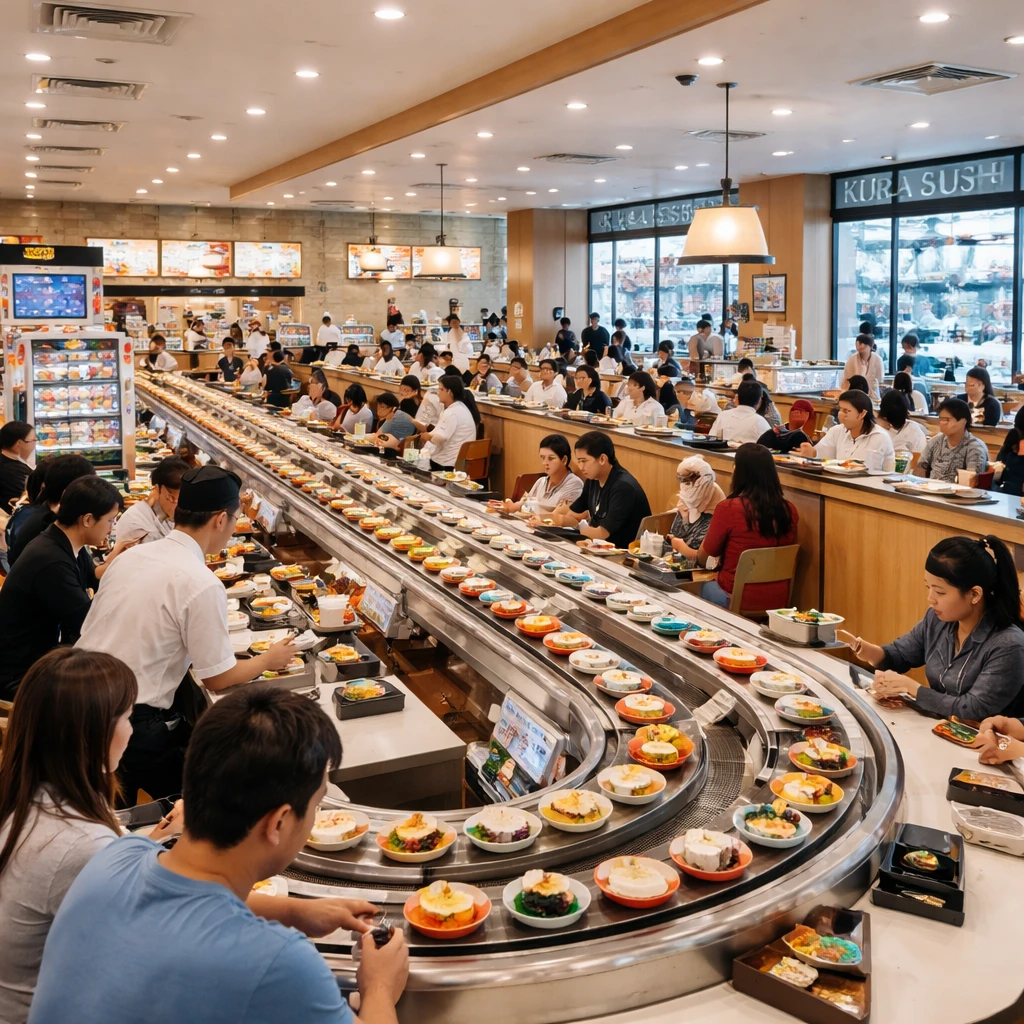
Kura Sushi Inc. (NASDAQ:KRUS) is pushing an aggressive expansion plan in North America, aiming to increase its U.S. restaurant footprint by about 20% each year as it races to establish market share ahead of growing competition from other Japanese chains.

The conveyor-belt sushi operator said it anticipates its count of U.S. outlets will top 100 this year. That milestone follows a period of slower-than-expected openings attributable to shortages of equipment, including the chain’s branded prize games, which the company has since added back into its restaurants.

The company’s first U.S. location opened in 2009 in California. Management has set a long-term target of roughly 300 U.S. locations while maintaining the 20% annual growth trajectory. Executives have stated that they do not intend to slow rollout in order to accelerate profitability.

In comments to the press, U.S. operations Chief Executive Officer Hajime Uba underscored the strategic rationale: "Competitors will inevitably expand in the US, and we want to secure those markets before they do," he said. He added, "As long as competitors struggle to expand while Kura continues opening stores, we can effectively capture much of the incremental demand."

The company faces new rivalry as other major Japanese conveyor-belt chains plan U.S. entries; rival Sushiro is scheduled to enter the U.S. market later this year. Management noted that growth opportunities in Asia are constrained unless expansion into China is possible, a factor that has driven many Japanese concepts to look to North America instead. "Growth in Asia has reached a ceiling unless you can expand into China," Uba said. "That’s why many Japanese restaurants are looking to North America."

Kura Sushi’s plan centers on rapid unit growth rather than reining in openings to improve near-term margins. The firm’s emphasis on maintaining its targeted annual store-add rate while pressing toward a 300-location U.S. base frames the company’s market approach amid rising competition and prior operational bottlenecks.


Sectors impacted - The expansion program has implications for restaurant operators, consumer discretionary spending, and commercial real estate markets tied to retail and dining locations.

Risks

  • Equipment shortages previously impeded store openings - operational supply constraints may continue to affect expansion timing and costs, impacting restaurant and retail sectors.
  • New entrants into the U.S. market, such as Sushiro, raise competitive pressure that could influence Kura Sushi's market share and average unit economics, affecting restaurant and consumer discretionary markets.
  • The decision to prioritize unit growth over immediate profitability introduces financial risk if expanded locations do not achieve expected demand or margins, which could affect corporate cash flow and investor sentiment.

More from Stock Markets

South32 to divest most aluminium holdings to Alcoa in deal valued up to $5.6 billion Jun 30, 2026 Mizuho Amplifies TSMC CoWoS Capacity Outlook as Server CPU Demand Accelerates Jun 30, 2026 Health Canada Clears Apotex’s SEVMIA™ as Canada’s First Generic Wegovy® Equivalent Jun 30, 2026 iHerb Taps JPMorgan, Morgan Stanley and Citigroup for Targeted $500M IPO Jun 30, 2026 Nutrabolt Selects Lead Banks as It Prepares for Potential U.S. IPO of up to $1 Billion Jun 30, 2026