
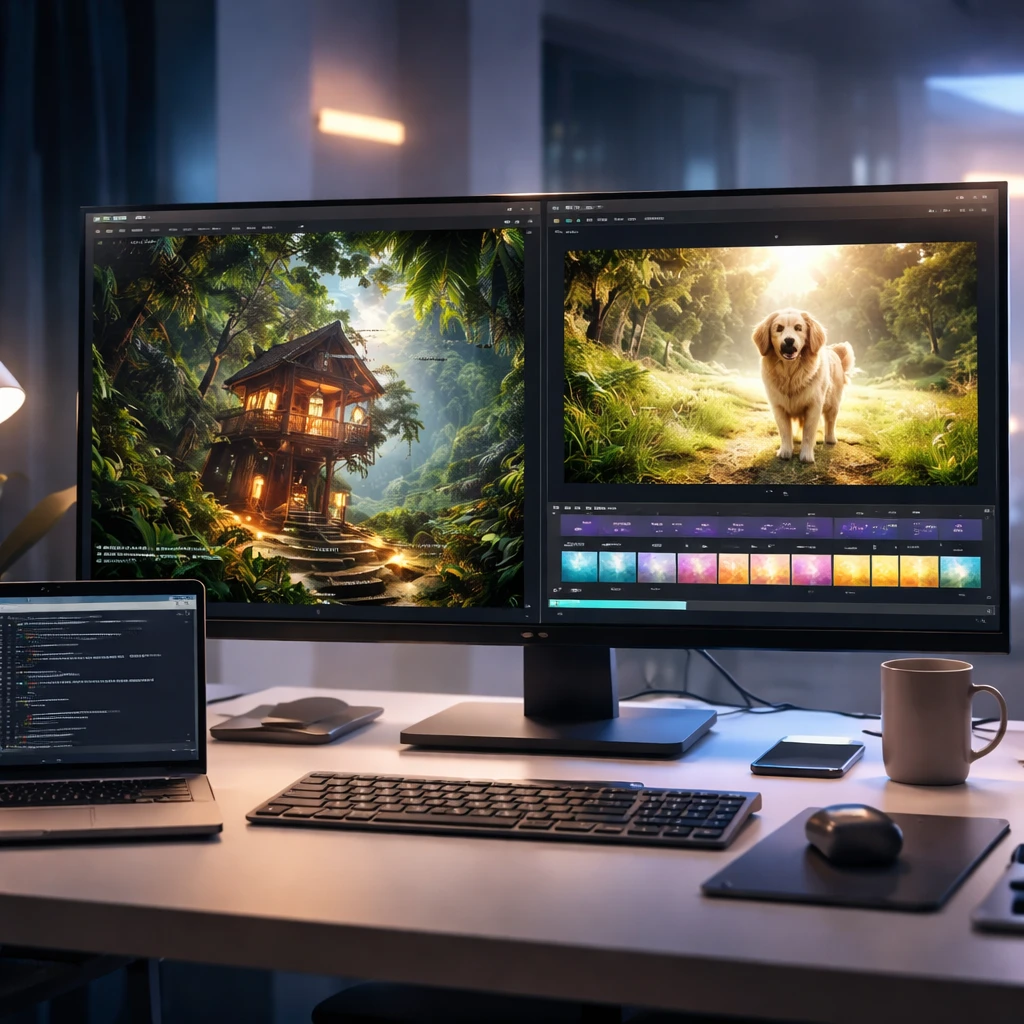
Google announced two additions to its Gemini model family on Tuesday: Nano Banana 2 Lite, which the company described as its quickest and most cost-efficient image generation model, and Gemini Omni Flash, a model engineered for video generation and conversational editing.
According to Google, Nano Banana 2 Lite produces text-to-image outputs in roughly four seconds and is priced at $0.034 per 1,000-resolution image. The company said the model is being made available through Google AI Studio, the Gemini API and the Gemini Enterprise Agent Platform. Google also stated that the model is rolling out across several consumer-facing products, including AI Mode in Search, the Gemini app, NotebookLM, Google Photos, Stitch, Google Flow and Google Ads.
Gemini Omni Flash is presented as a model that supports generating and editing video from text, image and video inputs. Google set the price for video output from this model at $0.10 per second. The company indicated that, at launch, Gemini Omni Flash provides 10-second video generations, with longer generation durations planned for the future. Google further noted that the model leverages Gemini’s subject-matter capabilities - citing examples such as history and biology - to inform how it constructs video content.
Google said the two models are complementary: images produced by Nano Banana 2 Lite can be handed off to Gemini Omni Flash and animated into video. To illustrate that combined workflow, the company released three demonstration applications named Anywhere, Space Lift and Omni product studio.
Both Nano Banana 2 Lite and Gemini Omni Flash employ SynthID watermarking, according to Google, and the company said the models run on its infrastructure. Google recommended Nano Banana 2 Lite as the replacement choice for developers currently using the original Nano Banana model. The company also announced that Gemini Omni Flash is available in public preview starting Tuesday through Google AI Studio and the Gemini API.
These releases position image and video generation capabilities within Google’s existing development and consumer product ecosystems, while signaling a pathway for combined image-to-video workflows using the two models together.