
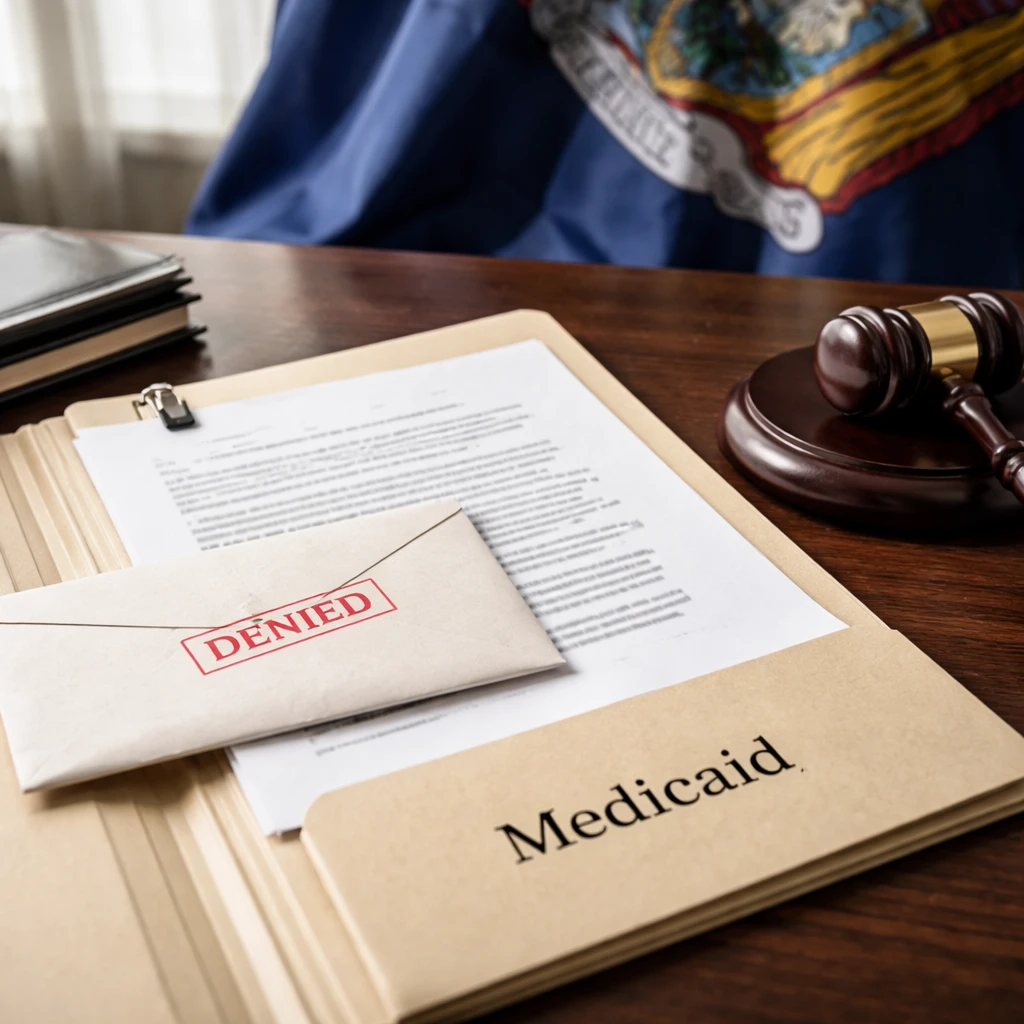
The U.S. Department of Health and Human Services (HHS) has moved to end federal funding for New York’s Medicaid Fraud Control Unit after concluding the unit has not met federal standards for criminal prosecutions. In a letter to Attorney General Letitia James, HHS said New York has brought fewer criminal cases in recent years than other large states, and it therefore denied the unit’s federal certification.
HHS noted that the New York unit has produced results in civil litigation and that there were improvements in criminal prosecutions this year. Despite those developments, federal officials judged the progress inadequate to preserve certification and the associated funding.
The action is connected to an interagency effort focused on healthcare fraud that is being led by Vice President JD Vance. HHS officials have tied the funding decision to that broader crackdown. The former Ohio senator is also identified in HHS communications as someone viewed as a possible contender for the Republican presidential nomination in 2028.
This is not an isolated case. Earlier in the month, HHS removed federal funding from Hawaii’s Medicaid fraud unit; that state has formally requested reconsideration of the decision.
Federal certification matters because states that do not maintain federally certified Medicaid fraud units can risk losing eligibility for wider streams of Medicaid financing. New York’s Medicaid program provides healthcare coverage to roughly 6.4 million low-income residents, and the funding status of the fraud control unit has implications for how federal dollars flow to that program.
Attorney General Letitia James oversees the Medicaid Fraud Control Unit as part of her responsibilities as state attorney general. The HHS letter was addressed directly to her office and lays out the agency’s rationale for denying continued certification.
The HHS decision underscores the federal government’s focus on prosecutorial activity within state fraud units, and it follows a similar federal action involving another state earlier this month. New York officials have the option to respond through administrative channels, as Hawaii has done in seeking reconsideration, though HHS has already made its certification determination public in writing.
Summary
HHS has denied federal certification and funding to New York’s Medicaid Fraud Control Unit, citing comparatively low criminal case counts. While HHS acknowledged civil-case outcomes and some recent improvement in criminal prosecutions, it deemed those advances insufficient. The decision is linked to a wider fraud enforcement initiative led by Vice President JD Vance and follows a similar funding cut for Hawaii earlier this month.
Key details
- The HHS letter to Attorney General Letitia James states that New York has brought fewer criminal cases than other large states.
- HHS recognized civil-case results and improvement in criminal cases this year but still denied certification.
- The funding cut is part of an interagency fraud crackdown led by Vice President JD Vance; a prior funding removal for Hawaii also occurred earlier this month.