
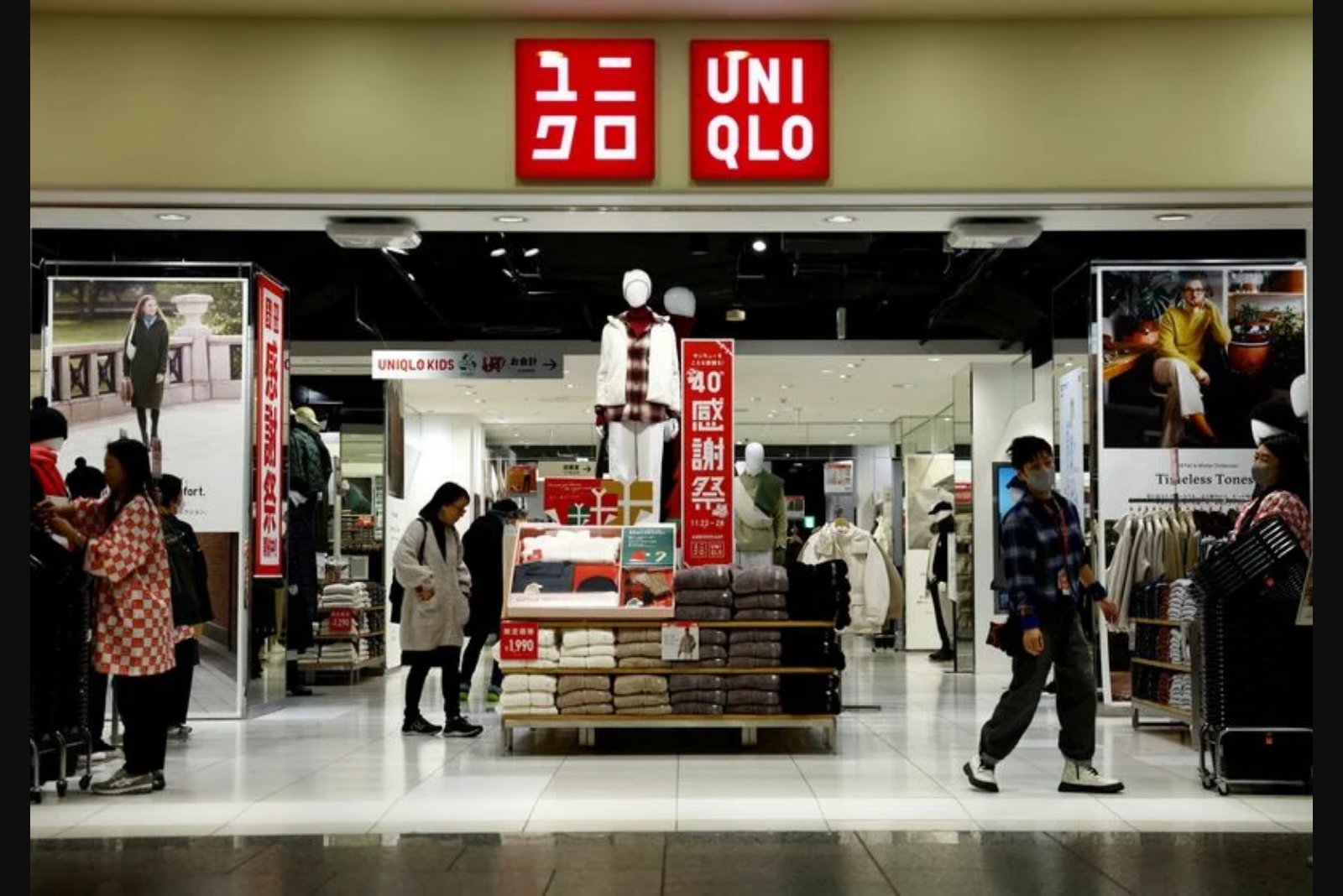
TOKYO, July 9 - Fast Retailing, the parent company of Uniqlo, said on Thursday that operating profit for the three months through May increased to 213.79 billion yen, a 45.7% rise from 146.74 billion yen a year earlier. The quarterly result exceeded the seven-analyst average estimate of 177.73 billion yen compiled by LSEG.
Following the stronger quarterly performance, the company raised its full-year operating profit forecast to 730 billion yen from the prior projection of 700 billion yen.
Fast Retailing is viewed as a barometer for consumer spending trends in Japan and mainland China, where it operates close to 900 stores. Since opening a single Uniqlo store in Hiroshima in 1984, the chain has grown to more than 2,500 locations worldwide, selling low-cost fleece and cotton shirts largely manufactured in Asian production hubs.
In recent years, the retailer has accelerated expansion in Europe and North America as it seeks growth beyond China, its largest overseas market. In Japan, sales have been bolstered by a tourism surge supported by a weak yen, which the company noted is now hovering near a 40-year low.
By contrast, Fast Retailing said growth in China has eased amid weak consumer sentiment, prompting a round of store closures and restructuring in that market.
Management has also pointed to supply and logistics disruptions stemming from the Iran war. Fast Retailing's chief financial officer, Takeshi Okazaki, said in April that the conflict was complicating air freight from production bases in Southeast Asia and warned that sustained increases in oil prices could raise costs for synthetic fibres.
The company is operating in an environment where global fashion retailers face multiple headwinds, including disruptions to supply chains and logistics from the Middle East conflict and the impact of extreme weather on clothing demand. This year, blistering heat waves across Europe and North America have prompted peers such as H&M to alter product assortments and marketing calendars to account for longer, hotter summers.
For reference, the company noted the dollar-yen exchange rate used in reporting: $1 = 162.3200 yen.
Key points
- Fast Retailing's Q3 operating profit rose to 213.79 billion yen from 146.74 billion yen a year earlier, surpassing the LSEG analyst average of 177.73 billion yen.
- The company raised its full-year operating profit forecast to 730 billion yen from 700 billion yen.
- Regional dynamics diverge: Japanese sales have been supported by tourism amid a weak yen, while growth in China has slowed, leading to store closures and restructuring.
Risks and uncertainties
- Supply-chain and logistics disruptions tied to the Iran war could continue to complicate freight from Southeast Asian production bases, affecting apparel supply lines.
- Sustained increases in oil prices may push up costs for synthetic fibres, squeezing margins in product lines that rely on those materials.
- Variable consumer demand due to extreme weather patterns and weak sentiment in key markets such as China may require further adjustments to store footprints and product assortments.