
Stock Markets June 24, 2026 09:07 AM

Erdogan Says Separate Meeting With Trump Likely During Ankara NATO Summit

Turkey prepares to host NATO leaders on July 7-8 amid debates over burden-sharing and defence spending

By Jordan Park
Share
Twitter Reddit Facebook LinkedIn

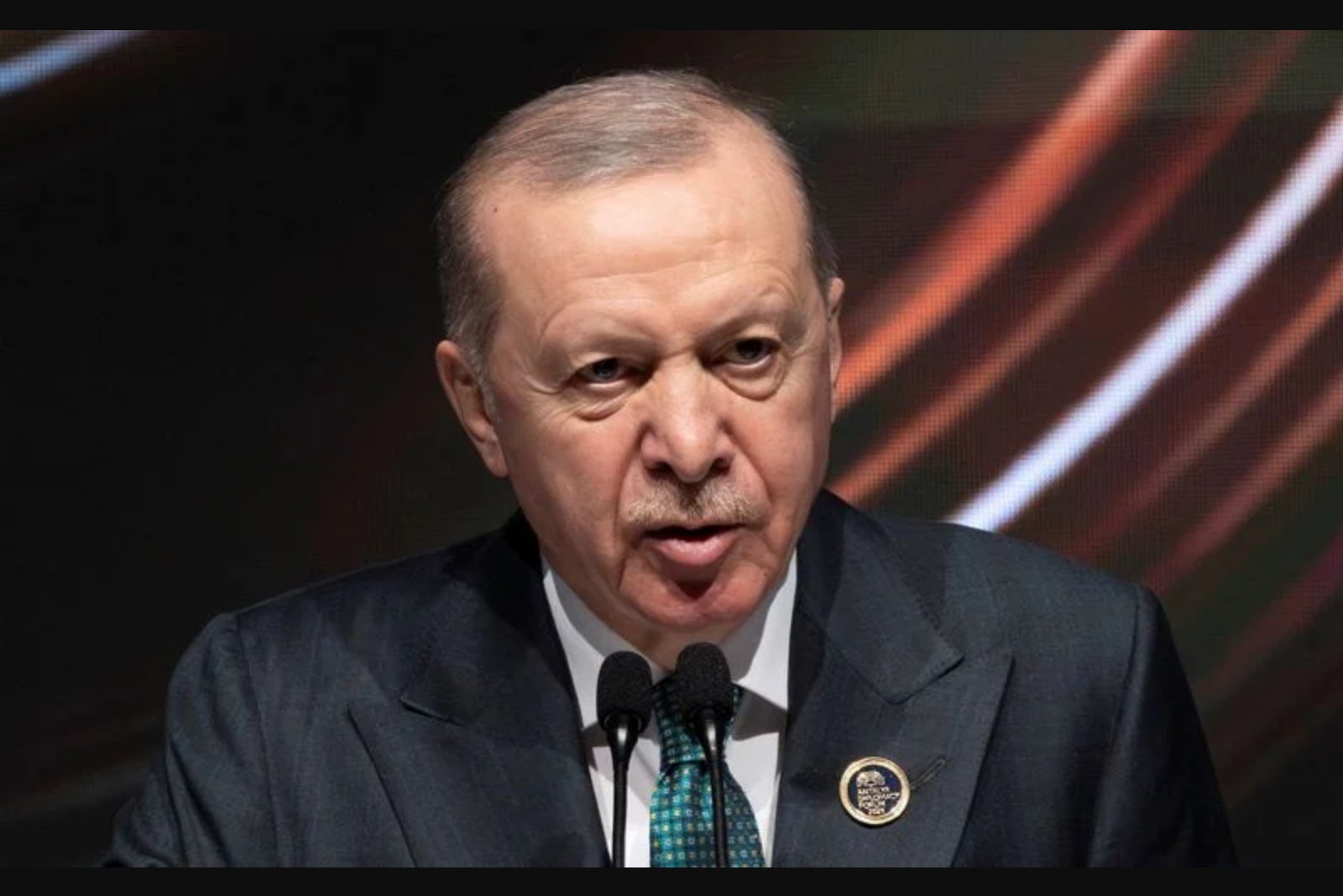
Turkish President Tayyip Erdogan indicated that a bilateral meeting with U.S. President Donald Trump is likely when the U.S. leader attends a NATO summit in Ankara on July 7-8. Turkey will host 32 NATO heads of state along with foreign ministers from partner countries in the Gulf and the Indo-Pacific. Ankara says burden-sharing and defence spending targets will be central to the summit agenda.

Erdogan Says Separate Meeting With Trump Likely During Ankara NATO Summit
Summarize with
ChatGPT Perplexity Claude Grok Gemini

Key Points

  • President Erdogan said a bilateral meeting with President Trump is "most likely" to occur during the NATO summit in Ankara on July 7-8; 32 NATO leaders and partner representatives will attend.
  • Burden-sharing and defence spending will be central agenda items; Turkey aims to reach a "3.5% + 1.5% target by the end of 2030," according to Erdogan's communications director.
  • Foreign ministers from Istanbul Cooperation Initiative countries and the Indo-Pacific Four (Japan, New Zealand, South Korea, Australia) will participate at the foreign ministers level, highlighting ties with Gulf and Asia-Pacific partners.

Turkish President Tayyip Erdogan said on Wednesday that he expects to hold a bilateral meeting with U.S. President Donald Trump when Trump attends the NATO summit in Ankara next month. The summit, scheduled for July 7-8, will bring together 32 NATO leaders and foreign ministers from partner countries in the Gulf and the Asia-Pacific region.

Asked by reporters in parliament whether he and Trump would meet separately outside the multilateral sessions, Erdogan responded that "it will most likely happen" but provided no further details on timing or agenda. The comment follows an increasingly close working relationship between the two leaders since Mr. Trump returned to the White House in 2024, during which the pair have increased cooperation on regional matters and resolved outstanding disputes, including the case involving Turkish state lender Halkbank.

Analysts in Ankara have flagged several points expected to feature on the summit agenda. Burhanettin Duran, Erdogan's communications director, told Turkish media that burden-sharing among allies would be a central issue. Duran said, according to a readout of his remarks, that "the changing security architecture is pushing NATO allies to re-evaluate their defence spending. In that framework, Turkey aims to reach the 3.5% + 1.5% target by the end of 2030."

The gathering will include representatives of the Istanbul Cooperation Initiative, a forum that brings together some Middle Eastern countries with NATO, as well as Japan, New Zealand, South Korea and Australia - the grouping referred to in some briefings as the Indo-Pacific Four. These partners will attend at the foreign ministers level.

Organizers arrive in Ankara amid tensions within the alliance over burden-sharing and defence expenditures. U.S. officials have also raised complaints concerning some allies' roles related to efforts to re-open the Strait of Hormuz during the U.S.-Iran war - an issue that has added friction to discussions ahead of the summit.

Turkey has positioned Trump’s attendance as important for signaling unity across the alliance, and Erdogan’s indication that a one-on-one meeting with the U.S. president is likely suggests Ankara anticipates using the summit not only for broad alliance talks but also for bilateral diplomacy aimed at resolving outstanding issues and coordinating on shared priorities.

Risks

  • Ongoing tensions within NATO over burden-sharing and defence spending could complicate consensus at the Ankara summit - impacting defence contractors and defence budget planning.
  • U.S. complaints about allies' involvement regarding the re-opening of the Strait of Hormuz during the U.S.-Iran war add an element of geopolitical uncertainty - potentially affecting energy markets and regional security posture.
  • Limited detail on any bilateral meeting between Erdogan and Trump leaves uncertainty about whether outstanding disputes or new agreements will be addressed in a substantive way - influencing diplomatic and financial market reactions tied to Turkey-US relations.

More from Stock Markets

Chemours Agrees to $450M PFAS Settlement; Stock Edges Higher Jun 24, 2026 Avis Budget Shares Slide After Hertz Lowers Q2 EBITDA Outlook, Triggers Sector Selloff Jun 24, 2026 Stocks Swing Across Caps as Homebuilders and Payments Firms Rally While Chip and Storage Names Slip Jun 24, 2026 Rocket Companies Shares Jump as Housing Prices and Refinance Activity Pick Up Jun 24, 2026 Kalshi CEO Says Company Is Evaluating an IPO as Questions Mount Over Market Integrity Jun 24, 2026