
Stock Markets June 30, 2026 01:41 PM

Energy Secretary Urges Data Center Backers to Confront Local Critics

At an AWS conference, U.S. Energy Secretary says concerns about power, water and AI are 'overblown' and encourages defenders to engage with neighbors

By Caleb Monroe
Share
Twitter Reddit Facebook LinkedIn

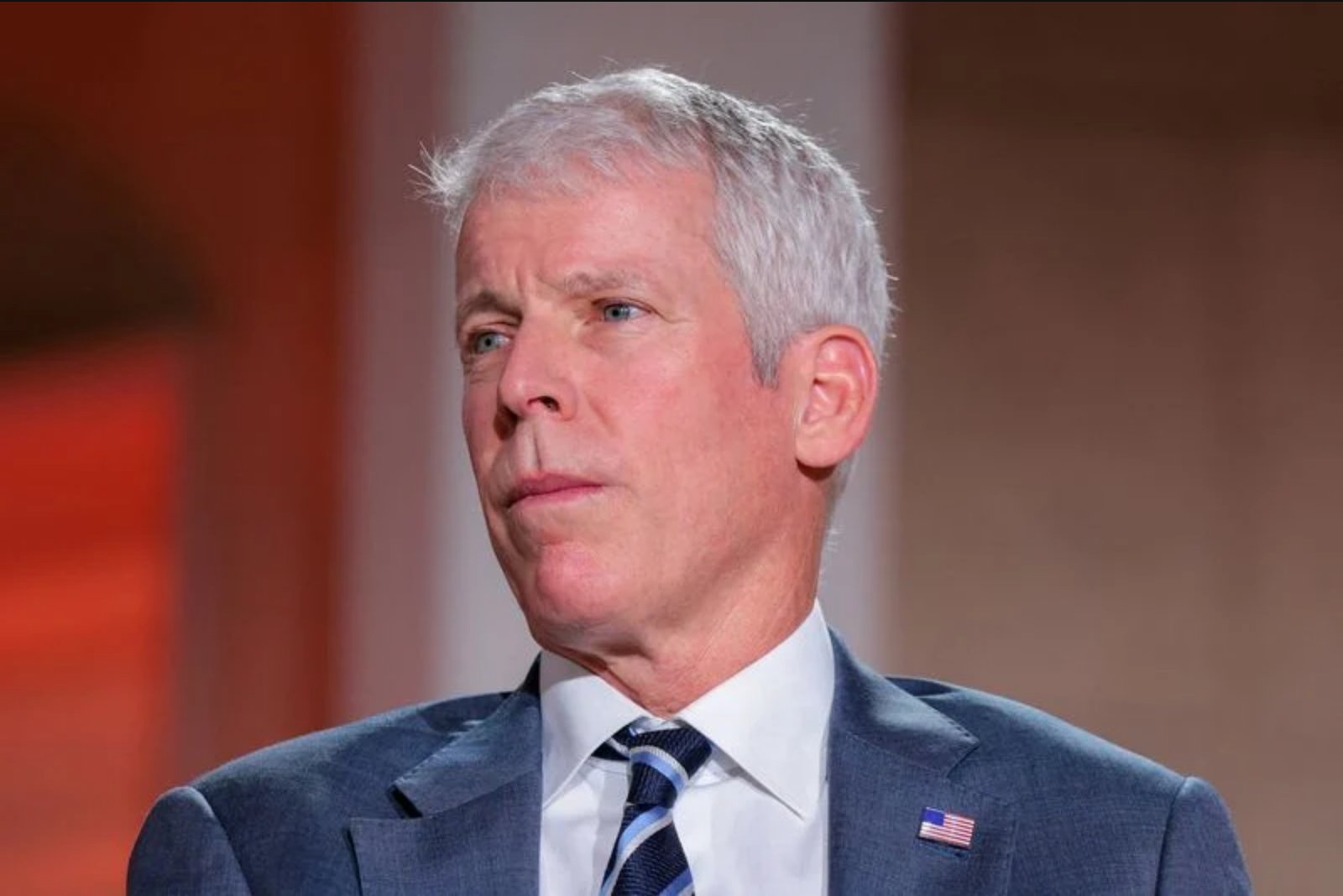
U.S. Energy Secretary Chris Wright told attendees at an Amazon Web Services conference that critics of the rapid build-out of data centers have overstated their concerns and urged supporters to push back in their communities. Wright acknowledged real issues raised by opponents but called public concern disproportionate, citing poll results that show limited approval for the construction pace. He compared current opposition to battles he faced over fracking and urged proponents to be vocal about the benefits.

Energy Secretary Urges Data Center Backers to Confront Local Critics
Summarize with
ChatGPT Perplexity Claude Grok Gemini

Key Points

  • U.S. Energy Secretary Chris Wright told an AWS conference audience that criticism of data centers is overblown and urged supporters to rebut opponents in their communities - sectors impacted include technology infrastructure, energy and local government planning.
  • A Reuters/Ipsos poll shows only one in three Americans approve of the fast pace of data center construction, indicating political sensitivity ahead of the November 3 midterm elections - political and regulatory sectors could be affected.
  • Investor interest and controversy around large-scale data center projects is growing, exemplified by Kevin O'Leary's recent comments and subsequent decision to scale back a planned 40,000-acre Utah project to protect wildlife - this affects real estate, environmental permitting, and investment communities.

U.S. Energy Secretary Chris Wright addressed a gathering at an Amazon Web Services conference on Tuesday and urged those who support the expansion of data centers to actively rebut critics, saying the worries surrounding the facilities have been "overblown." Wright identified several commonly cited objections, including the strains on water and power resources and fears that artificial intelligence deployed in the centers could cost jobs and harm communities.

"These are the things that everyone is saying and right now in the polls, they are winning," Wright said, noting the public debate is tilting toward opponents in recent surveys.

Wright, who previously served as chief executive of oilfield services firm Liberty Energy, drew a parallel between current resistance to data center projects and the pushback he experienced over the oil and gas drilling technique known as fracking. He expressed confidence that opponents will not prevail, saying, "They cannot win and they will not win."

A Reuters/Ipsos poll conducted this month found that only one in three Americans approve of the rapid pace at which data centers are being built, an issue the survey indicated is resonating with voters and political campaigns ahead of the November 3 midterm elections.

Wright acknowledged that opponents have raised legitimate points, including that AI enabled by data centers could permit "some bad things," though he did not provide further detail. He emphasized that the concerns are not entirely without merit but argued they are exaggerated: "It is not that the issues are unreal, they’re just overblown."

To counter that, Wright urged supporters to engage directly with skeptical neighbors and to highlight the positive aspects of their work. "You should be over-the-top proud of what you’re doing ... share a little bit of that pride and those facts with everyone around you," he said.

Speaking bluntly about the political dynamics, Wright added: "We’ll roll over the opposition to data centers faster than we otherwise should."

The debate over data centers has also caught the attention of investors. Celebrity investor and television personality Kevin O'Leary recently retreated from remarks suggesting opponents to his planned 40,000-acre data center in Utah were funded by China or the Chinese Communist Party, saying he had "no evidence" to support that claim. O'Leary has agreed to scale back the Utah project to protect wildlife.

Risks

  • Public sentiment against rapid data center construction is significant - poll data shows only one in three Americans approve of the pace, posing electoral and permitting risks for the technology infrastructure and construction sectors.
  • Opponents raise tangible concerns about resource use and potential harms from AI; these issues could translate into stricter local regulations or project delays affecting the energy and data center industries.
  • High-profile investor controversies and community pushback, such as the dispute over the planned 40,000-acre Utah project, introduce reputational and operational uncertainty for developers and financiers in the data center and real estate sectors.

More from Stock Markets

Surge in Rezolve AI Options Volume Sees Over 28,000 Contracts Traded Jun 30, 2026 Mobileye Options Activity Surges, Calls Dominate Volume Jun 30, 2026 Nike Options Activity Peaks at 199,431 Contracts, Heavy Interest in Mid-2026 Strikes Jun 30, 2026 RTX options volume spikes as July $200 calls dominate activity Jun 30, 2026 Broad market movers: semiconductor names lead gains while select small-caps slump Jun 30, 2026