
WASHINGTON, Nov 24 - A California customer has filed a proposed class action in federal court in Maryland accusing fast-food chain Wendy’s and software provider NCR Voyix of coordinating menu pricing across the company’s franchise network by centralizing price decisions and sharing sensitive transaction data.
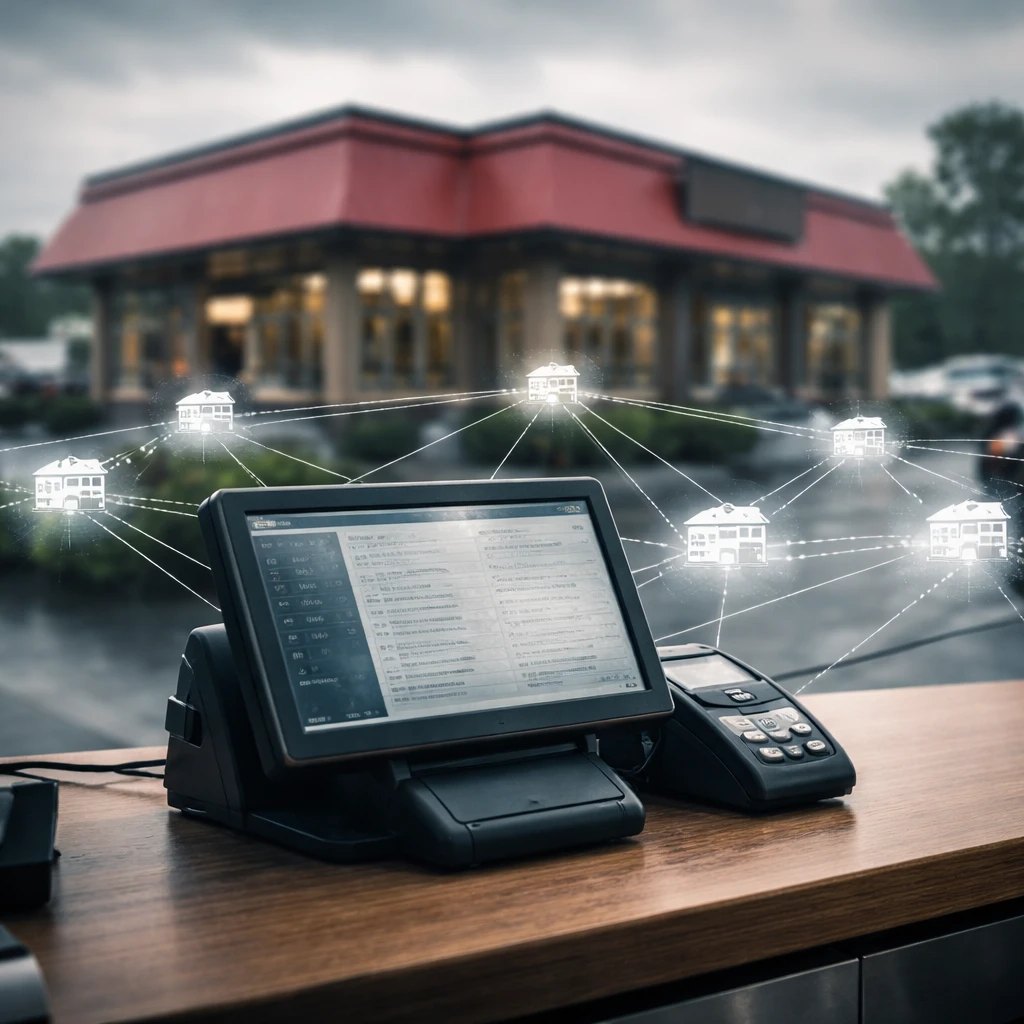
The complaint, filed on Monday, contends that Wendy’s collects transaction-level sales data through NCR’s Aloha point-of-sale (POS) system and that the chain uses that information to synchronize pricing among restaurants that are nominally independent competitors. The plaintiff alleges this coordination has the effect of inflating consumer prices nationwide.
Plaintiff Andy Garcia, identified in the lawsuit as a California resident, named Wendy’s and NCR Voyix as defendants and said he is bringing the action on behalf of at least tens of thousands of Wendy’s customers. The suit argues Wendy’s operates as a "common decisionmaker" for thousands of franchisees and company-owned locations by dictating consumer prices in a manner that violates U.S. antitrust law.
According to the complaint, Wendy’s requires franchisees to use the Aloha POS software and to provide detailed sales and pricing information through that system. The filing seeks unspecified monetary damages as well as a court order to halt the alleged pricing coordination. The lawsuit alleges the practice dates back as early as 2016.
Allen Neumark, who represents the plaintiff, issued a statement criticizing the company’s public representations about pricing. "Wendy’s tells its investors that franchisees set their own prices. But this is false," Neumark said. "And when businesses that should be competing stop competing on price, consumers pay more." The filing also asserts Wendy’s is using the POS-based pricing system to manipulate the market for its products, according to the complaint.
Wendy’s and NCR Voyix did not immediately respond to requests for comment, the filing notes.
The lawsuit arrives amid a wave of litigation challenging how companies employ pricing data and digital tools. The filing references a recent case involving another major fast-food chain, which was sued in October over allegations that technology tools were used inappropriately to set prices, and that a report had detailed the use of artificial intelligence to guide menu pricing at that chain. In that earlier matter, the defendant denied wrongdoing.
In addition to the legal claims, the court filing and the plaintiff’s counsel emphasize the role of centralized POS systems in providing transaction-level visibility across large franchise networks. The complaint frames the communications and data sharing enabled by the Aloha system as central to the alleged pricing coordination.
The complaint asks the court both for monetary relief for affected customers and for injunctive measures to prevent the defendants from continuing the alleged arrangement. It does not specify the amount of damages sought.
Beyond the immediate parties to the suit, the filing touches on broader questions about the intersection of pricing software, data sharing, and competitive behavior in the restaurant industry. The case will proceed through the federal courts, where plaintiffs must establish the factual basis for coordinated behavior and its impact on consumer prices.
Market data excerpt included in the original filing context: VYX +3.81%, WEN +0.35%. The complaint itself does not quantify any stock market impact attributable to the litigation.