
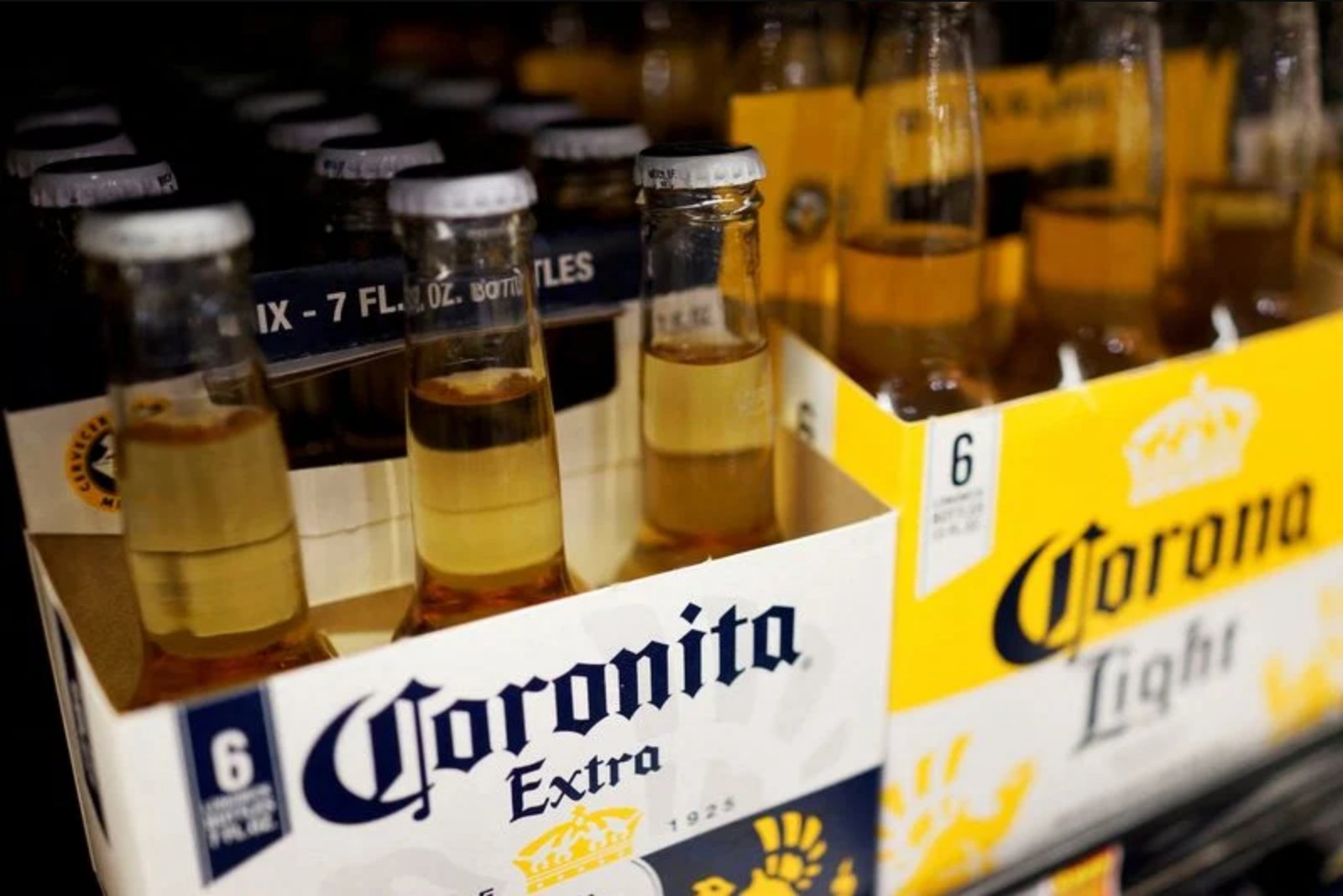
Constellation Brands outperformed Wall Street expectations for first-quarter profit, the company said on Tuesday, buoyed by continued consumer demand for its beer labels including Corona and the Modelo Especial lager. Shares traded higher in after-hours action, rising roughly 3.5%.
The results arrived despite a U.S. alcohol market that remains pressured by broader macroeconomic headwinds, which the company and market observers have linked to rising inflation and a recent spike in gas prices. Constellation attributed its better-than-forecast profit performance in part to lower retail prices on key beer SKUs and a more concentrated marketing approach that appears to have supported volumes.
Analysts at RBC Capital Markets pointed to upcoming events and changing commodity prices as potential demand drivers, citing the FIFA World Cup and a moderation in oil prices as catalysts that could further stimulate beer consumption.
On the corporate outlook, Constellation reiterated its fiscal 2027 adjusted earnings-per-share guidance in a range of $11.20 to $11.90. The company had earlier withdrawn its fiscal 2028 outlook in April, citing a volatile operating environment and limited near-term visibility.
The firm also said that an April announcement from the U.S. government removed aluminum tariffs on its products effective April 6. That change relieves some of the margin pressure the company had faced from previously imposed 50% import tariffs on aluminum.
For the quarter ended May 31, Constellation recorded quarterly net sales of $2.43 billion, a decline of 3.3% from the prior year. The top-line figure compared with analysts' estimates of $2.39 billion, according to data compiled by LSEG. On the bottom line, the company reported adjusted earnings of $3.43 per share, topping consensus of $3.20 per share.
The beer segment, which accounts for the majority of Constellation's revenue, produced a 2% increase in quarterly net sales versus the year-ago period, reaching $2.28 billion. Its wine and spirits division posted an 8% increase in quarterly organic net sales compared with the same period a year earlier.
These results illustrate a mixed performance: an overall decline in consolidated net sales alongside growth in the beer franchise and a strong profit beat. Management's confirmation of fiscal 2027 guidance and the tariff reprieve reduce certain near-term uncertainties, though the company previously pulled its fiscal 2028 outlook because of the unstable operating backdrop.
Investors and market participants will likely watch consumer demand indicators, input-cost trends such as aluminum and oil prices, and promotional dynamics as key variables that could influence Constellation's near-term results.