
Overview
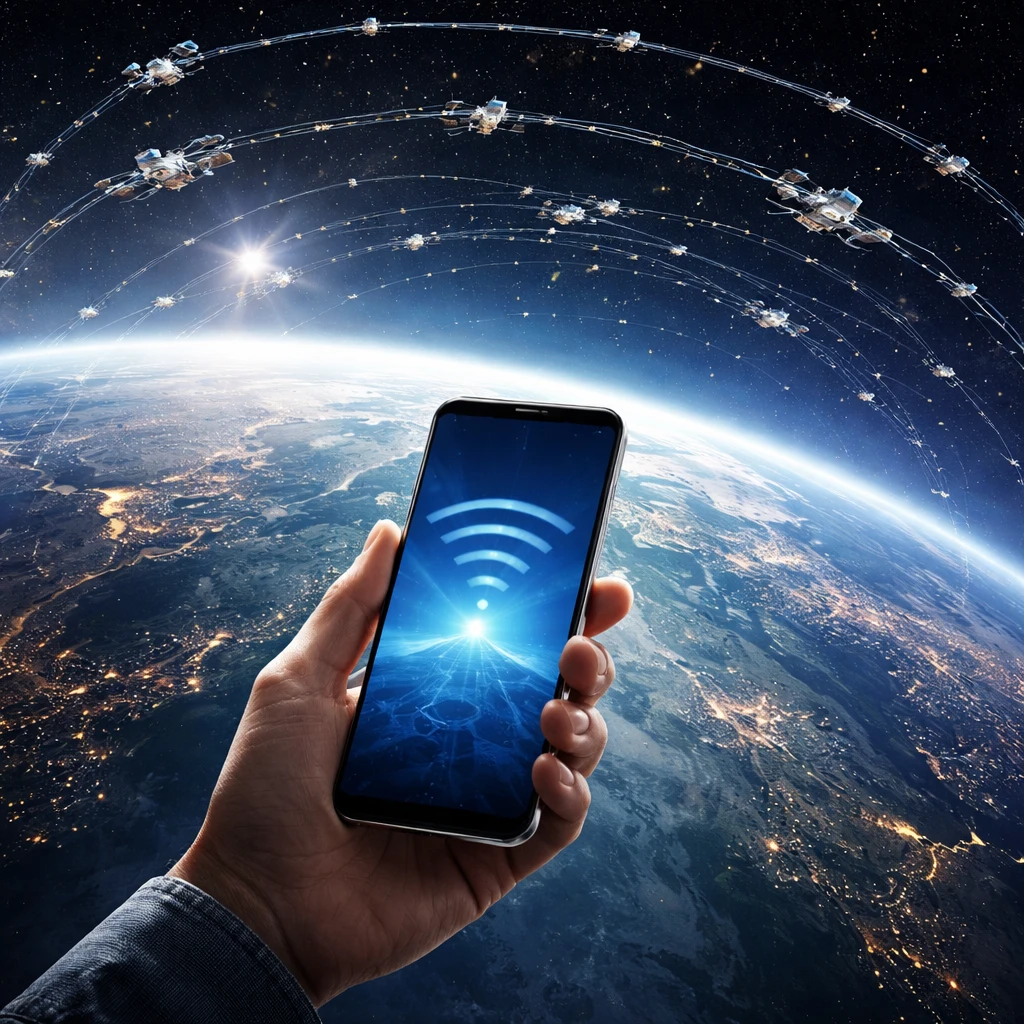
Amazon.com Inc. has submitted a request to the US Federal Communications Commission seeking approval to launch and operate a low-Earth orbit (LEO) satellite system made up of 5,000 satellites. According to a company news release, the network is intended to provide direct-to-device mobile services - including messaging, data and emergency connectivity - to cell phones and other mobile devices in locations that lack conventional cell tower coverage.
Scope and capabilities
The proposed constellation would be designed to offer global coverage and to connect directly with consumer handsets and similar devices. Amazon said its aim is to enable basic mobile services from space where terrestrial infrastructure is unavailable, with the filings to the FCC representing a formal step toward operating the planned network.
Recent corporate moves and spectrum access
The filing to regulators comes after Amazon earlier this year announced plans to acquire satellite operator Globalstar Inc. for $11.6 billion. Amazon has stated that the Globalstar transaction would give it access to spectrum that is capable of transmitting data directly to phones, a capability relevant to the proposed 5,000-satellite network.
Partnerships and competitive landscape
Amazon has already entered into arrangements with traditional telecommunications providers, including Vodafone Group PLC and DirecTV, to enable those companies to offer satellite-delivered services to customers. The company indicated it intends to continue pursuing similar commercial partnerships.
Competitors in the direct-to-device segment include SpaceX, which operates the Starlink system and has a comparable partnership with T-Mobile US Inc., and AST SpaceMobile Inc., a Texas-based developer of a direct-to-device network that has agreements with Verizon Communications Inc. and AT&T Inc. The Amazon filing was described by the company as intensifying competition with SpaceX in the satellite communications sector.
Amazon Leo and timeline
Separately from the direct-to-device filing, Amazon is building Amazon Leo, a satellite network intended to deliver broadband internet to ground receivers similar to the terminals used by SpaceX's Starlink. Amazon has said it expects to begin offering that broadband service by the end of the year, though it has acknowledged experiencing delays in launching the spacecraft required for Amazon Leo.
In addition to its other commercial arrangements, Amazon has an agreement with Apple Inc. to provide satellite services for iPhones and Apple Watches. Amazon has indicated it expects to start deploying its direct-to-device network in 2028.
Implications
The FCC filing formalizes Amazon's push into satellite-based mobile services and underscores competition among major players seeking to deliver connectivity directly from space to consumer devices. The proposal ties together spectrum access, commercial partnerships and multi-pronged satellite efforts by the company.