
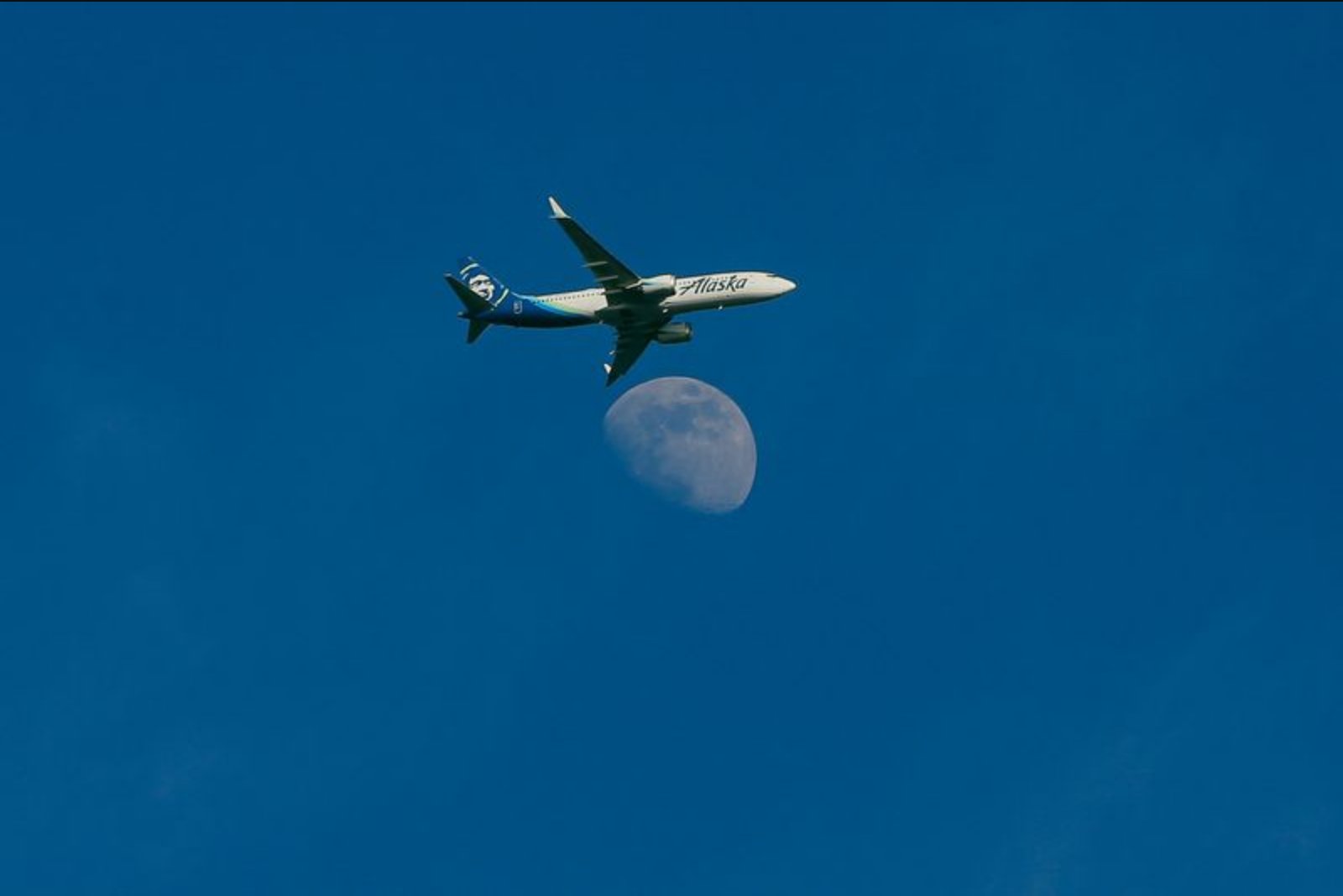
Alaska Air Group has retracted its full-year profit forecast for 2026, attributing the decision to an abrupt run-up in jet fuel prices tied to the recent conflict and interruptions to global oil flows. Airlines globally have experienced a sharp increase in fuel expenses after U.S.-Israeli strikes on Iran disrupted shipments through the Strait of Hormuz, the company said, producing the industry’s most severe shock since the COVID-19 pandemic.
Jet fuel, which Alaska and other carriers typically account for as roughly one-quarter of operating expenses, has climbed dramatically since the conflict began. The company noted that jet fuel prices have nearly doubled in that period, a rise that squeezes carriers forced to operate with many seats already sold and fares that cannot be adjusted to fully cover the higher costs.
Alaska had previously provided a 2026 earnings-per-share range of $3.50 to $6.50 but withdrew that guidance as volatile fuel markets and ongoing uncertainty around the war reduced visibility on future results. Management signaled that the combination of rapid fuel-price swings and geopolitical uncertainty undermines the company’s ability to make reliable forward profit projections.
Chief Executive Benito Minicucci told investors last month that Alaska consumes approximately 100 million gallons of jet fuel each month. At that burn rate, the company estimates that a $1 per gallon increase in jet fuel prices translates to about $100 million of additional monthly fuel expense.
To respond to higher fuel bills, Alaska has adjusted its supply strategy. Management said the carrier has shifted some fuel sourcing away from the U.S. West Coast and is tankering fuel from Singapore to Seattle. This move was driven by refinery margin dynamics on the West Coast that have pushed jet fuel prices roughly 20 cents per gallon above other regions, the company said.
The company highlighted structural reasons why West Coast jet fuel prices often run higher than elsewhere. Limited refining capacity and the absence of pipeline connections to major fuel hubs leave that market relatively isolated, making supplies quick to tighten during disruptions and increasing reliance on imports to fill gaps.
Summary: Alaska Air Group pulled its 2026 profit guidance as jet fuel costs surged following supply disruptions tied to military action affecting the Strait of Hormuz. Management cited near-doubling of jet fuel prices, a monthly burn rate of about 100 million gallons, and regional West Coast price premiums as drivers of the decision.