
The World Bank has authorized $1.1 billion in emergency lending to Bangladesh aimed at cushioning the economy from a spike in food, fuel and fertilizer costs tied to the conflict in the Middle East. The financing is intended to help the government manage near-term pressures on households, agriculture and essential services.
How the package is allocated
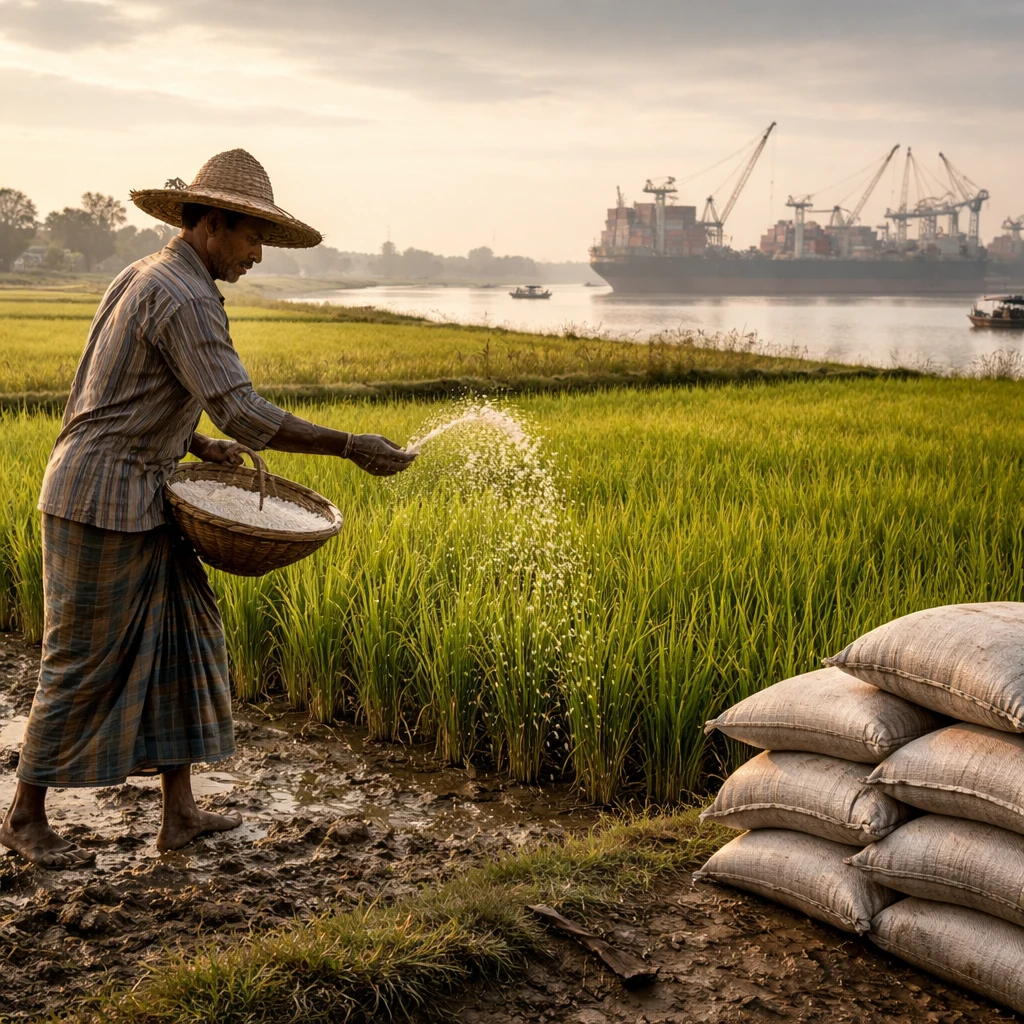
Of the total, $300 million has been designated to underwrite fertilizer imports timed for upcoming rice planting seasons. That support is expected to underpin cultivation across about 1.4 million hectares of farmland, according to the package description. The financing responds to Bangladesh’s heavy dependence on imports for fertilizer, which account for more than 85% of the country’s needs.
Separately, $713 million will back a range of emergency responses. These include cash assistance targeted at vulnerable households and programs to support small businesses. A portion of the funding will also be available to finance critical imports of fuel and energy required to sustain essential public services.
Broader financial position and external support
The government is seeking further assistance from development partners as it works to strengthen foreign exchange reserves and ease stress on public finances. That outreach includes engagement with the International Monetary Fund among other partners, reflecting efforts to shore up external buffers while addressing the immediate needs driven by the price shock.
Immediate focus and beneficiaries
The emergency financing is directed at several groups and sectors simultaneously: farmers who will need fertilizer for the planting season, households vulnerable to higher food and fuel costs, small businesses facing liquidity or demand pressures, and public services that depend on imported fuel and energy to operate. The package is structured to provide both targeted social relief and support for inputs and supplies critical to maintaining economic activity.
Limitations and next steps
While the World Bank package supplies immediate liquidity for imports and social measures, the government’s pursuit of additional external support signals that the funding is part of a broader effort to restore resilience in reserves and public finances. Further outcomes will depend on the progress of those additional support arrangements.