
Delegations representing 74 economies and a group of more than a dozen multilateral development banks unveiled the Vulnerability to Viability (V2V) Compact, a coordinated effort aimed at lowering borrowing costs and improving predictability of funding for climate-vulnerable countries. The Compact was agreed by the Climate Vulnerable Forum (CVF) alongside its V20 finance ministers and includes lenders ranging from the World Bank to the Vienna-based OPEC Fund.
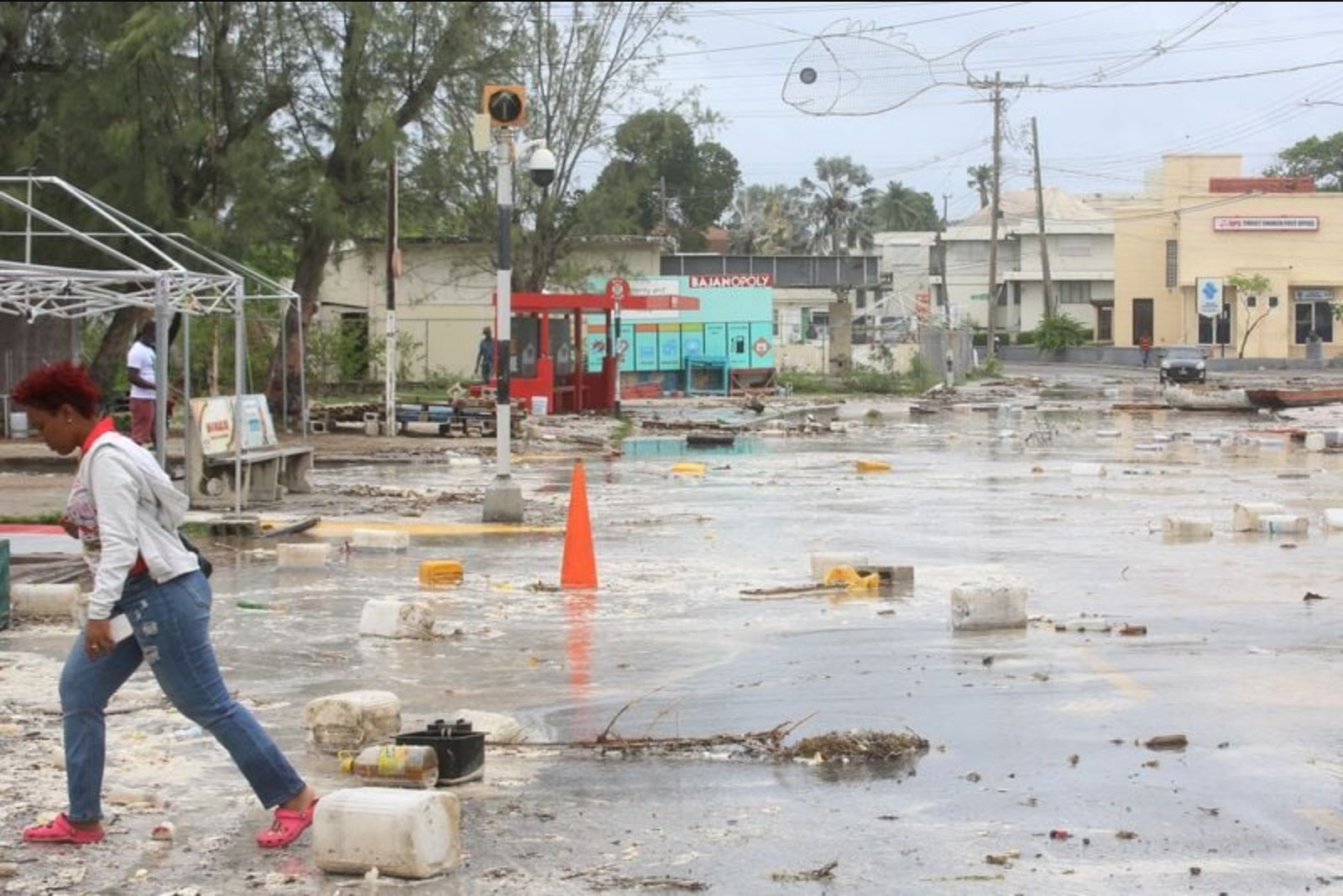
The initiative seeks to fill financing gaps that have widened after successive global crises and amid a rise in extreme weather events such as droughts, hurricanes and floods. Its architects say current assessments of sovereign risk can be distorted, contributing to higher borrowing costs for poorer countries. The Compact’s framework centres on three policy pillars: affordable and concessional finance, mobilisation of private capital, and development of shock-responsive financing instruments.
Shock-responsive financing described in the Compact includes mechanisms such as loans with payment suspension clauses intended to help governments preserve delivery of essential services when a crisis hits. The initiative names water, education and health systems as priority investment areas, calling them the bedrock of human security and central to strengthening countries’ resilience.
Barbados Prime Minister Mia Mottley, a longtime proponent of the project, framed the Compact as a remedy for what she described as an injustice in existing debt structures: investments in sanitation, schools and hospitals that benefit populations for generations are commonly scheduled to be repaid within 10 to 20 years. The Compact, she said, aims to correct that mismatch between asset lives and repayment timelines.
Participants plan to convert the Compact’s principles into operational detail. A white paper is to be developed that will set out potential financing targets and the mechanisms to achieve them, with the group expecting to present that paper at the World Bank and IMF annual meetings in Thailand in mid-October.
The countries and participating development banks also committed to co-ordinate their use of concessional resources, saying they would deploy such resources strategically and catalytically. The Compact therefore combines calls for concessional and affordable public finance with efforts to crowd in private capital and to adapt lending products so they are responsive to shocks.
Context for markets and sectors
The Compact has implications for sovereign borrowers, development finance markets and sectors dependent on public investment in basic services. If adopted and implemented, the approach could influence how concessional capital is allocated and how lenders structure sovereign lending terms in economies exposed to climate shocks.
Details on financing volumes, specific instruments and timelines will depend on the forthcoming white paper and subsequent coordination between the signatories and lenders.