
President Donald Trump on Monday declared that the United States and Iran have reached a nuclear agreement that provides extended oversight of Iran’s nuclear program and ends the U.S. naval blockade of the Strait of Hormuz.
Under the terms outlined by the president, Iran has "fully and completely agreed to highest level Nuclear inspections long into the future (Infinity!!!)." The administration framed that access as critical to ensuring what Mr. Trump called "Nuclear Honesty," and he warned that without those commitments "there would be no further negotiations."
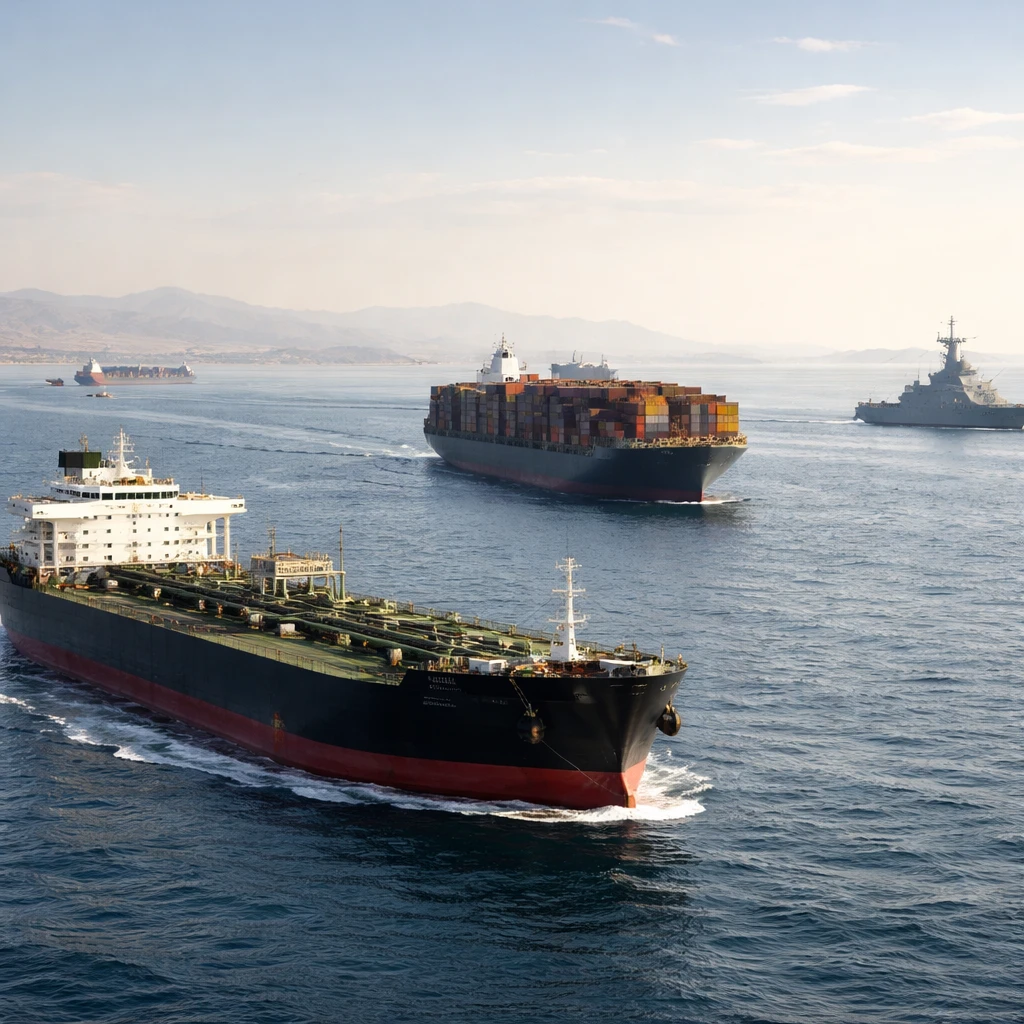
The United States subsequently lifted its naval blockade of the Strait of Hormuz, allowing commercial vessels to resume passage through the strategic waterway. The president said American naval ships will remain in the region and could reimpose the blockade if circumstances warrant, though he described a reinstatement as "seems, at this point, highly unlikely."
Mr. Trump noted that 19 million barrels of oil passed through the strait on Monday, calling the figure an "all time RECORD." Oil prices moved lower after the channel was reopened, the administration said.
The deal also includes narrowly targeted sanctions relief intended to address what the president characterized as a humanitarian crisis in Iran. Funds released under the agreement will be placed into an escrow account controlled by the United States and are to be used exclusively to buy food and medical supplies from U.S. sources.
Specifically, purchases under the escrow arrangement will include corn, wheat, and soybeans sourced from American farmers. The president said, "these are things that are desperately needed by Iran," and reiterated his characterization of the situation as "a humanitarian crisis." He added, "I feel it is necessary to help, NOW, before it is too late."
Context for markets and logistics
The reopening of the Strait of Hormuz allows commercial traffic to resume along one of the world's most important oil transit routes. The administration's note that 19 million barrels transited on Monday and that oil prices declined after the reopening highlight immediate effects on energy flows and market pricing. The continued U.S. naval presence, however, leaves a possibility for rapid policy reversal if conditions change.
This agreement also specifies that any sanctioned funds released to Iran will be strictly earmarked for humanitarian goods purchased from U.S. suppliers and held under U.S. control, limiting the economic relief to narrowly defined purchases.
Key points
- The United States and Iran agreed to extended, high-level inspections of Iran's nuclear facilities to ensure compliance.
- The U.S. naval blockade of the Strait of Hormuz has been lifted, and commercial vessels may resume transit; U.S. naval forces will remain in the area as a contingency.
- Sanctions relief is limited and conditional: released funds will be held in a U.S.-controlled escrow account and used solely for food and medical supplies purchased from the United States, including corn, wheat, and soybeans.
Risks and uncertainties
- Although the blockade is lifted, the continued deployment of U.S. naval vessels in the region creates uncertainty about the permanence of open passage through the Strait of Hormuz - a factor relevant to shipping and energy sectors.
- The relief is constrained to humanitarian purchases held in escrow, which limits the scope of economic normalization and leaves open questions about broader sanctions relief.