
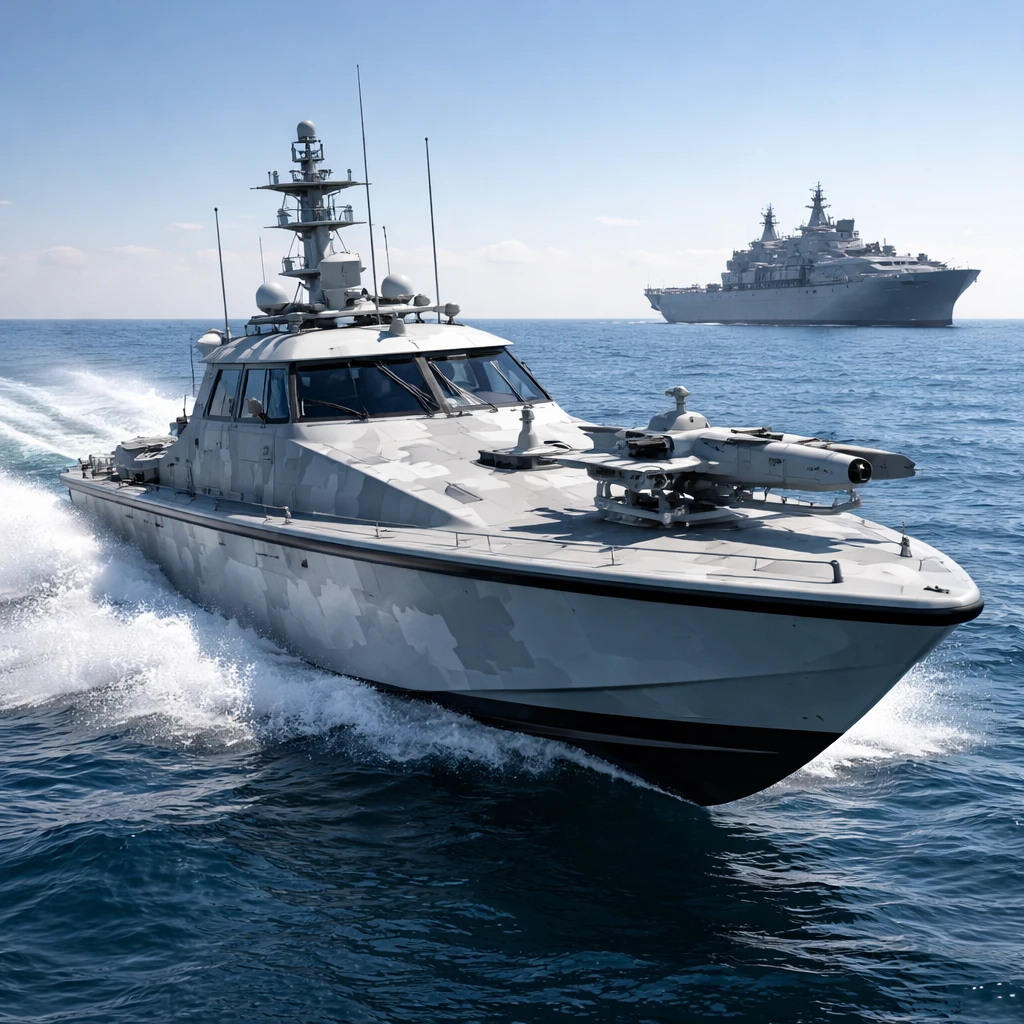
The United Kingdom is advancing a significant modernization initiative for its elite Commando Force, with a confirmed financial commitment surpassing £500 million. This substantial investment underscores a strategic pivot within the national defense portfolio, directing capital toward immediate frontline capabilities and reinforcing broader NATO security architectures. According to reporting from Bloomberg on Saturday, the funding package is designed to equip these specialized units with advanced maritime assets, including high-speed boats and lethal strike drones, alongside larger amphibious transport ships capable of supporting complex operations.
Defense Secretary Dan Jarvis emphasized that the core objective of this plan is the rapid deployment of state-of-the-art equipment to frontline units. This focus comes in response to an evolving and more challenging security environment that demands agile and technologically superior forces. The acquisition of high-speed boats is viewed as critical for a range of maritime security missions. Specific operational contexts include potential engagements involving Russia’s shadow fleet tankers, highlighting the growing complexity of global naval security challenges.
International cooperation remains a cornerstone of this modernization effort. The UK is collaborating with Norway on the high-speed boat program, a joint initiative aimed at bolstering NATO deterrence capabilities in the Arctic region, frequently referred to as the High North. Furthermore, Britain is developing a new combined amphibious fleet in partnership with the Netherlands. This bilateral effort is expected to facilitate the deployment of larger transport ships, thereby enhancing the logistical capacity and operational reach of commando units during amphibious assaults and humanitarian missions.
These procurement measures are integrated into the government’s broader Defense Investment Plan, a comprehensive framework expected to be published prior to the NATO summit in Ankara, scheduled to begin on July 7. The release of this plan follows a period of delay, extending from the previous year, caused by internal disputes regarding the allocation of defense funding. A critical challenge confronting this initiative is a substantial financial gap; a report from December identified a £28 billion shortfall within the ten-year spending program, posing a significant obstacle to long-term strategic goals.
The political and administrative landscape surrounding this funding is currently volatile. Dan Jarvis assumed the role of Defense Secretary following the resignation of John Healey, who departed due to disagreements over the adequacy of funding allocated to meet Britain's defense requirements. This internal debate has placed additional pressure on Prime Minister Keir Starmer’s administration. The Labour government is navigating renewed political uncertainty, particularly after former Greater Manchester Mayor Andy Burnham returned to Parliament and has emerged as a potential contender in a leadership challenge, adding layers of complexity to the defense spending debate.