
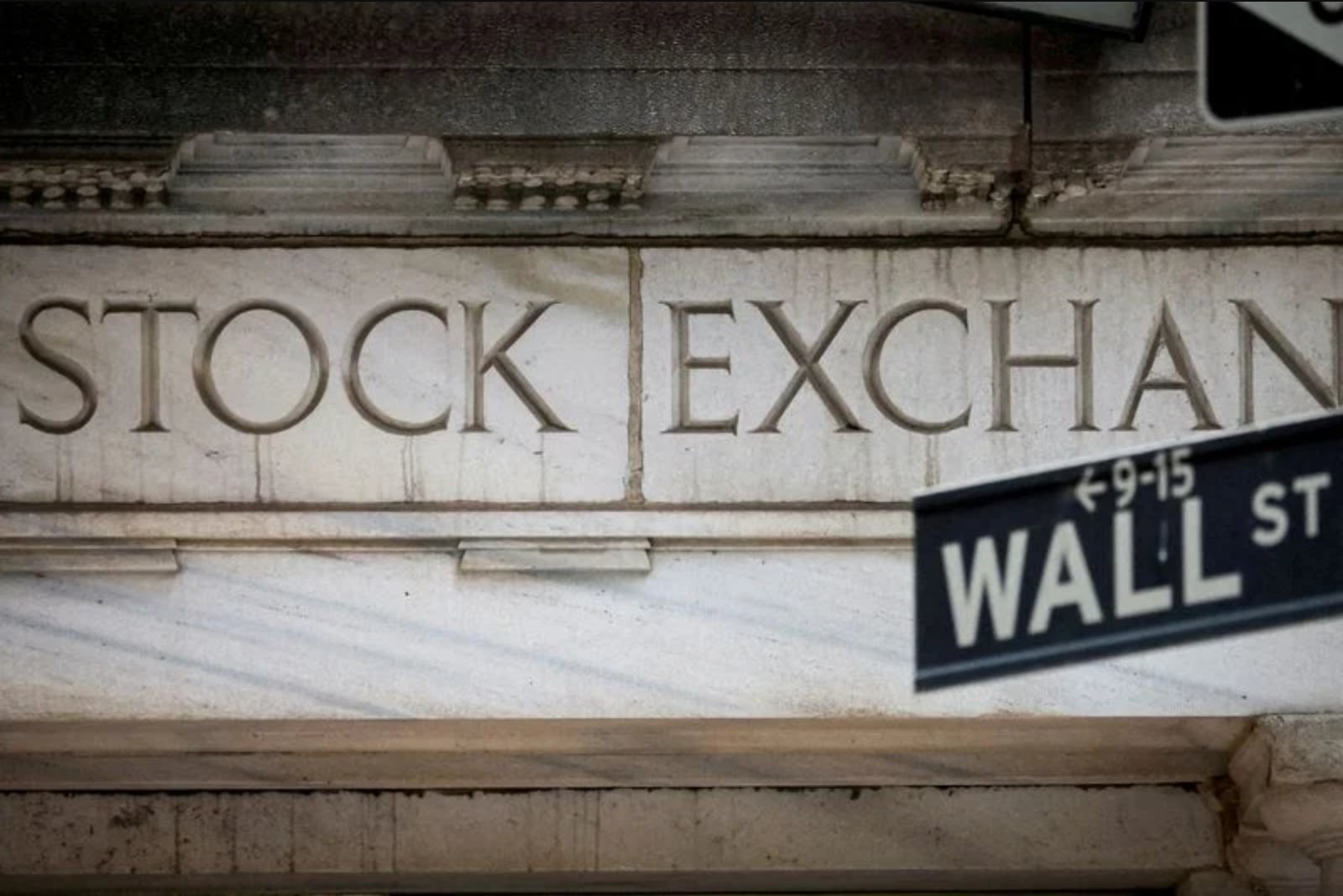
Trading desks on Wall Street look set to underpin a robust second-quarter earnings season for the largest U.S. banks, with the blockbuster SpaceX mega IPO and elevated market volatility combining to lift sales and trading revenue, analysts and LSEG data show.
Five of the six largest U.S. lenders - JPMorgan Chase, Bank of America, Citigroup, Wells Fargo and Goldman Sachs - are scheduled to report results on July 14, with Morgan Stanley following on July 15. The consensus view among market-watchers is that trading will remain a primary source of strength in 2026, supported by volatility that has stayed above normal levels amid persistent geopolitical tensions and uncertainty about disruption from artificial intelligence.
Market and trading backdrop
Coalition Greenwich data point to market revenue rising at least 15% year-on-year for the largest global banks, according to Angad Chhatwal, head of fixed income, currencies and commodities at the analytics firm. Jamie Vickers, head of equities at Coalition Greenwich, added that equities are expected to be the main engine of growth across global markets and that the SpaceX IPO will have produced significant banking revenues as well as gains for certain cash-equities desks during the quarter.
Morningstar analyst Sean Dunlop said Wall Street firms that played prominent roles in the nearly $86 billion SpaceX offering - including Goldman Sachs and Morgan Stanley - are likely to see outperformance in equities. Overall, banks that participated in the SpaceX deal collected around $500 million in fees during the quarter.
Investment banking and major transactions
Investment banking has also been a bright spot, with mega equity offerings and multibillion-dollar transactions contributing to what analysts describe as the most bullish deal-making environment in years. Dealogic data show global investment banking revenue reached $61.4 billion in the first half of 2026, a 24% increase from a year earlier.
Within that landscape, JPMorgan remained the global leader in investment banking revenue, while Goldman Sachs led globally in M&A advisory. Other headline transactions in the second quarter included chip designer Cerebras’ $6.4 billion IPO and Alphabet’s $85 billion share sale, both highlighted among the quarter's top deals.
Loan growth and net interest margins
Banks should also see support from lending activity and an expanding net interest margin - the spread between interest earned and interest paid. U.S. Federal Reserve data indicate loan growth accelerated in the second quarter, led by momentum in commercial and industrial lending, analysts said.
That dynamic, combined with fee income from capital markets, gives institutions a multi-pronged revenue profile heading into earnings reports. Jefferies analyst David Chiaverini noted that clients increasingly appear to be treating the present environment as the "new normal," and that many continue to press ahead with investment plans despite lingering geopolitical and market risks.
Analyst cautions and volatility considerations
Even with generally positive expectations, some analysts expect trading revenue to moderate compared with the first quarter. Dunlop cautioned that the unusually high levels of volatility in Q1 - driven by the initial shock from the Iran war and subsequent inflation and interest-rate repricing - produced abnormally strong activity that may not fully repeat.
Investors will be watching not only top-line drivers but also credit metrics and the outlook for loan demand, which analysts say are key to sustaining any rally in bank shares into the second half of 2026. Morningstar analyst Austin Taggart emphasized that credit quality and broad loan uptake are important pillars for continued strength across the sector.
What executives and companies have signaled
- JPMorgan Chase - Chief Executive Jamie Dimon previously indicated investment banking fees could rise 10% or more in the second quarter.
- Bank of America - Co-President Jim DeMare said in June that equities were fuelling markets revenue and that the bank could exceed an initial forecast of 15% growth in second-quarter markets revenue.
- Citigroup - Chief Financial Officer Gonzalo Luchetti said trading revenue was expected to increase between high-single digits and low-double digits in the second quarter, with investment banking revenue projected to grow by a mid-teens percentage.
- Wells Fargo - Chief Financial Officer Mike Santomassimo said net interest income was poised to "step up" in the second quarter.
- Goldman Sachs - The firm noted it had advised on more than $1 trillion of announced M&A so far in 2026, marking a record pace for any investment bank in a half-year period, citing Dealogic data.
- Morgan Stanley - Chief Executive Ted Pick characterized the period as a "pretty good time" to be in the capital markets business, citing strong core investment banking activity.
Analyst expectations and EPS estimates
LSEG estimates as of June 30 provide a snapshot of expected per-share earnings for the quarter compared with the prior year:
| Bank | Q2 2026 EPS | Q2 2025 EPS |
|---|---|---|
| JPMorgan | $5.70 | $5.24 |
| Bank of America | $1.11 | $0.89 |
| Citigroup | $2.68 | $1.96 |
| Wells Fargo | $1.71 | $1.60 |
| Goldman Sachs | $13.91 | $10.91 |
| Morgan Stanley | $2.84 | $2.13 |
What investors will watch
Beyond headline revenue and earnings numbers, investors will scrutinize commentary on the U.S. economy and on loan growth prospects for the remainder of 2026, given ongoing concerns about inflation's impact on consumers' purchasing power. Credit metrics and the breadth of loan demand will also be closely monitored as indicators of whether the sector's recent momentum can be sustained.
Overall, the combination of strong trading activity, sizable equity transactions such as the SpaceX IPO, investment banking momentum and improving loan dynamics has set elevated expectations for the quarterly reports from the biggest U.S. banks. That said, some moderation in trading revenue relative to the first quarter is possible if Q1's exceptional volatility proves to have been a one-off driver of outsized results.