
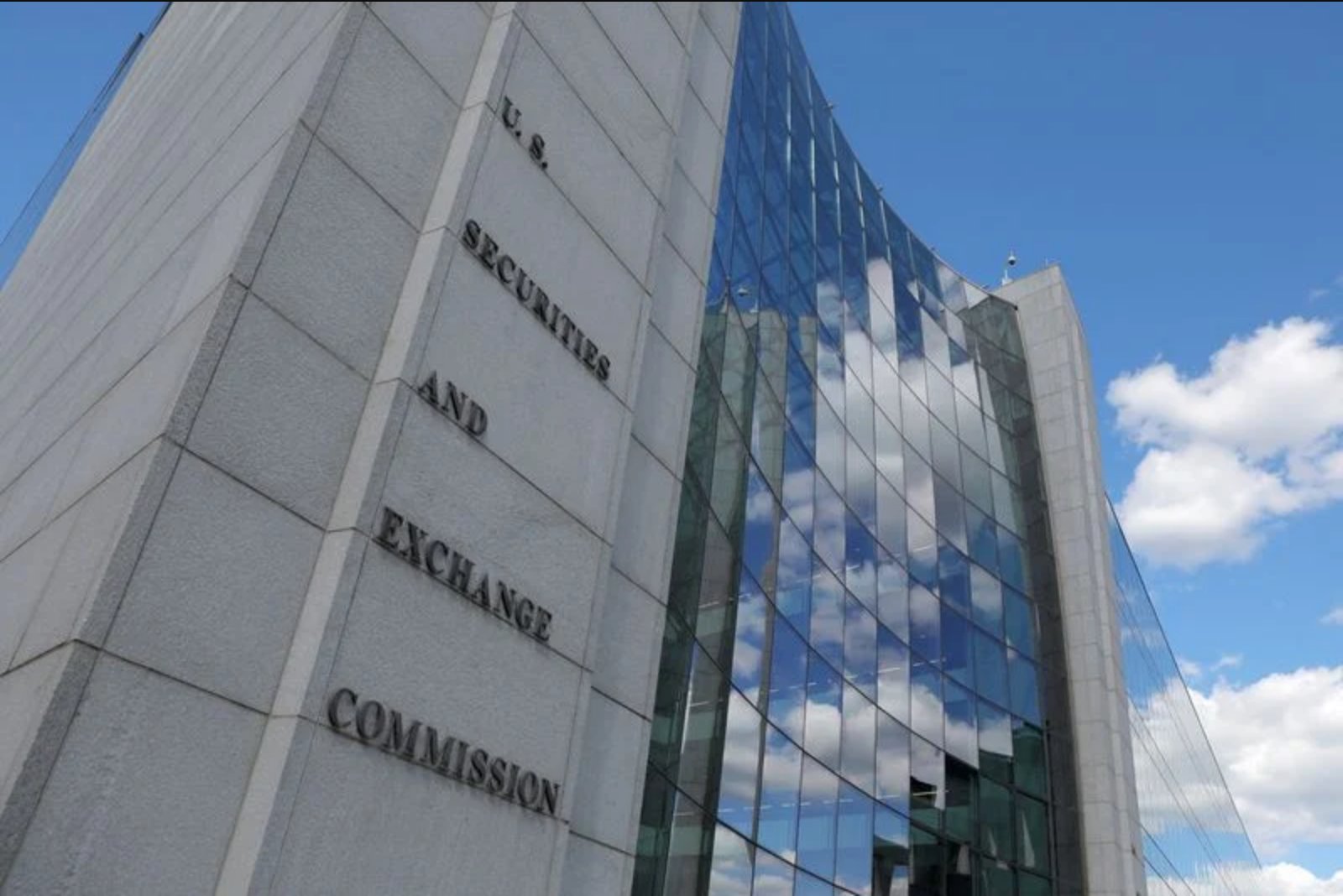
The enforcement arm of the U.S. Securities and Exchange Commission has opened an inquiry into continuation vehicles - the funds private equity firms and other asset managers use to hold investments they cannot or do not want to sell - according to three people with direct knowledge of the matter. Those sources, who requested anonymity, said SEC staff have recently focused on a number of these vehicles as part of a broader review of private markets.
Scope of the probe
Enforcement personnel are examining potential conflicts of interest tied to continuation vehicles, how managers are valuing assets moved into those vehicles, and whether disclosures to investors are consistent and sufficient, the sources said. The identities of specific funds subject to the probe and the types of assets they hold were not disclosed and Reuters could not determine them.
Continuation vehicles, often abbreviated as CVs, have become a common tool for private equity managers. They let managers transfer assets from older, maturing funds into a new vehicle and invite new capital, while offering existing investors the option to redeem their stakes. That structure effectively lengthens the holding period for assets that would otherwise need to be sold within the finite lifecycle of a traditional private equity fund - commonly about a decade.
Market context and trends
The use of continuation vehicles has expanded alongside robust manager-led secondary activity. Investment bank Evercore reports that manager-led secondary transactions were valued at $106 billion last year. Rising interest rates have made it more challenging for private equity sellers to find buyers willing to pay the high multiples seen earlier in the decade, particularly during the low-rate environment of the pandemic. Geopolitical disruptions, policy uncertainty and upheaval related to artificial intelligence have further complicated exit markets for private equity portfolios.
CVs tend to focus primarily on equity stakes, although the proportion of credit assets being transferred into continuation vehicles is increasing. Proponents say the vehicles provide a way for managers to return cash to investors without being forced to sell assets at steep discounts or to competitors, or to lock in losses in weak markets.
Internal SEC coordination
Since late last year, enforcement staff have worked to assemble what the sources described as an informal working group involving the SEC's examinations, investment management and other divisions. The group is intended to improve information-sharing and coordination on private credit and related private fund activities. Although SEC examiners have been examining private fund issues, including continuation vehicles, for some time, the escalation into the enforcement division and the cross-division collaboration signal heightened concern among regulators about potential problems in private markets.
The sources declined to be identified to discuss private enforcement matters. Industry managers say they typically obtain third-party opinions when executing continuation vehicle transactions. The presence of SEC scrutiny should not be interpreted as proof of wrongdoing, and investigations do not always produce penalties or enforcement actions.
Statements from SEC leadership
At an event last month, SEC Chairman Paul Atkins said the agency is investigating allegations of fraud within private credit firms, though he did not provide further details. The agency's enforcement director, David Woodcock, said at a separate event that the SEC is "attuned to potential risks relating to liquidity, fees, valuations, and conflicts of interest" across the sector.
Regulatory and market pressure
Regulatory attention on private markets has intensified as the industry has grown over the past decade. U.S. scrutiny accelerated after problems surfaced at alternative asset manager Blue Owl and at certain BlackRock funds late last year, which prompted concerns among regulators and market participants that private credit could be showing strains. Blue Owl declined to comment. BlackRock did not immediately respond to a request for comment.
Private credit broadly covers a range of nonbank business lending, and a significant portion of that market consists of direct loans to companies owned by private equity firms. While estimates vary, the global private credit market is generally considered to be worth at least $1.8 trillion.
Low interest rates over the past decade helped private markets expand because financing costs were cheap. As borrowing costs have risen, many private equity firms are finding it more difficult to sell portfolio companies at previously achieved price levels. Data from consultancy Bain & Co. released in June indicates that private equity firms are sitting on a backlog of more than 30,000 unsold portfolio companies. Rolling assets into continuation vehicles gives managers the flexibility to bring in new investors and return some cash to original limited partners, rather than pursue sales in an inhospitable market.
Manager-led secondary activity and credit's share
Manager-led secondary transactions - the category of deals in which continuation vehicles are most common - were worth $106 billion last year, up from $70 billion in 2024, according to Evercore. Within that flow, credit transactions accounted for 11% last year, up from 5% in 2024, indicating growing use of continuation structures for credit assets as well.
Concerns about conflicts and valuation
Critics have highlighted the potential for conflicts of interest inherent in many continuation vehicle deals. Because the investment manager often occupies both seller and buyer roles, and because the assets moved into CVs are typically illiquid, there are incentives that could lead to biased valuations. Skeptics argue those conditions raise questions about whether managers are providing identical information and treatment to both buyers and sellers.
Some disputes have played out publicly. The Abu Dhabi Investment Council filed a legal complaint last year challenging a continuation vehicle launched by Energy & Minerals Group, accusing the manager of attempting to force a conflicted sale. A Delaware court later dismissed the complaint and the continuation vehicle transaction closed in March. A representative for Energy & Minerals Group said the deal had been reviewed with advisory firms and described the claims as "baseless and without legal merit." The Abu Dhabi Investment Council declined to comment.
What regulators are watching
- Potential conflicts of interest where managers are effectively on both sides of transactions.
- Valuation practices for illiquid assets moved into new vehicles.
- The sufficiency and consistency of investor disclosures in continuation vehicle transactions.
As the SEC coordinates across divisions to examine these matters, market participants and investors will be watching for potential changes in enforcement priorities and for guidance that could affect how continuation vehicles are structured and disclosed.