
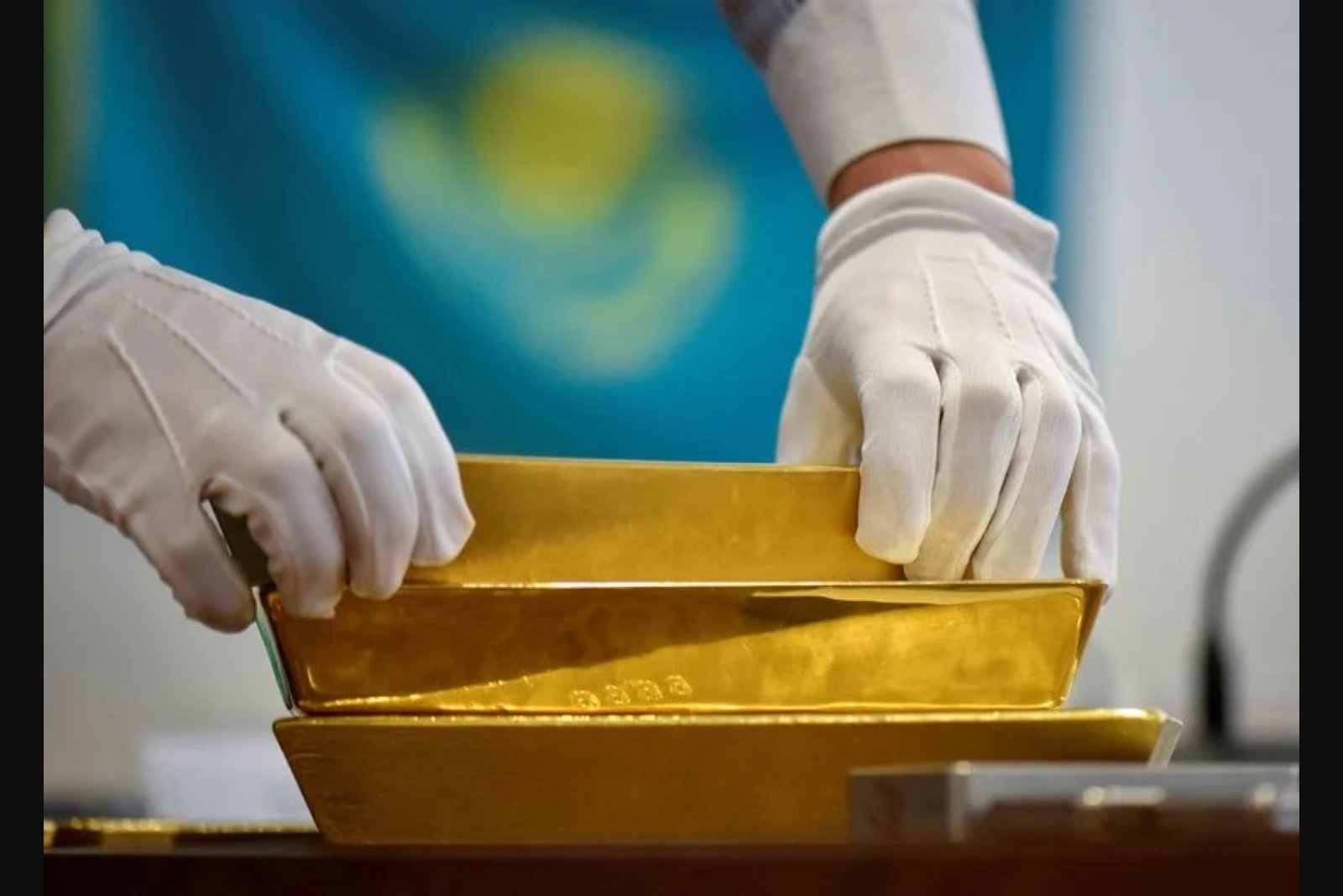
Gold-backed exchange-traded funds (ETFs) are vulnerable to further outflows if investors persist in raising their forecasts for interest rate hikes, analysts warn. The market reaction has already begun to show: spot gold dropped below the $4,000 per ounce threshold on Wednesday, marking the first time it has traded under that psychological level since November 2025. Traders point to a firmer U.S. dollar and the growing belief that interest rates will remain higher for longer as the principal pressures on the metal.
"ETF flows are closely linked to U.S. monetary policy, as reflected in the buying and selling of physically backed products," said Julius Baer analyst Carsten Menke, highlighting the sensitivity of ETF demand to shifts in expectations about the Federal Reserve.
ETF flows and recent data
Data from the World Gold Council show that gold-backed ETFs recorded net outflows of 16 metric tons in May. Those outflows extended into the first half of June, even though funds logged their strongest weekly net inflows since mid-April in the most recent week. Analysts at ING said that while those inflows indicate some easing of selling pressure, ETF demand is still likely to be less supportive than it was through 2025.
Standard Chartered noted in a research briefing that, at current price levels, more than 200 tons of gold held in exchange-traded funds are sitting in loss-making positions. Higher interest rates tend to exert downward pressure on non-yielding assets such as gold, a factor analysts cite in assessing ETF investor behavior.
Why rates matter - and how markets have shifted
Expectations that the U.S. Federal Reserve would cut interest rates this year were a central driver of gold's dramatic rally in 2025, a run that pushed spot prices to an all-time high of $5,594.82 per ounce in January. Since that peak, the metal has pulled back by roughly 29 percent.
More recently, rising energy prices in the wake of the Iran war have heightened inflation concerns. That dynamic has contributed to a more hawkish stance among central banks, including the Fed, and prompted investors to increase their bets on rate hikes rather than rate cuts. "Rising rate forecasts plus huge AI cash-raising suggest a bullish view of the U.S., if not global, economy," said Adrian Ash, head of research at BullionVault. "While that doesn’t mean gold is fated to fall, investor attention is most certainly elsewhere right now."
ETF demand versus official purchases
Major banks have identified weaker ETF demand as a headwind to further upside in gold. Morgan Stanley said its $5,200-per-ounce gold forecast for the second half of 2026 appears increasingly dependent on a revival in ETF buying and on evidence that lower oil prices are translating into a more dovish interest-rate outlook. Goldman Sachs has also pared back its enthusiasm, lowering its December gold price forecast and cutting its projections for ETF demand.
Even so, analysts emphasize that central bank purchases - the official sector - remain a significant source of support for the metal. "If official sector demand continues to grow rapidly, it can make up for shortfalls in terms of ETF demand," said Suki Cooper, an analyst at Standard Chartered.
Market implications
In the near term, softer ETF demand could continue to weigh on bullion prices if rate-hike expectations persist. At the same time, ongoing official sector buying may temper price declines and provide a floor under the market. How these two forces interact will be central to gold's path over the coming months, particularly as investor focus shifts in response to energy price movements and central bank communications.