
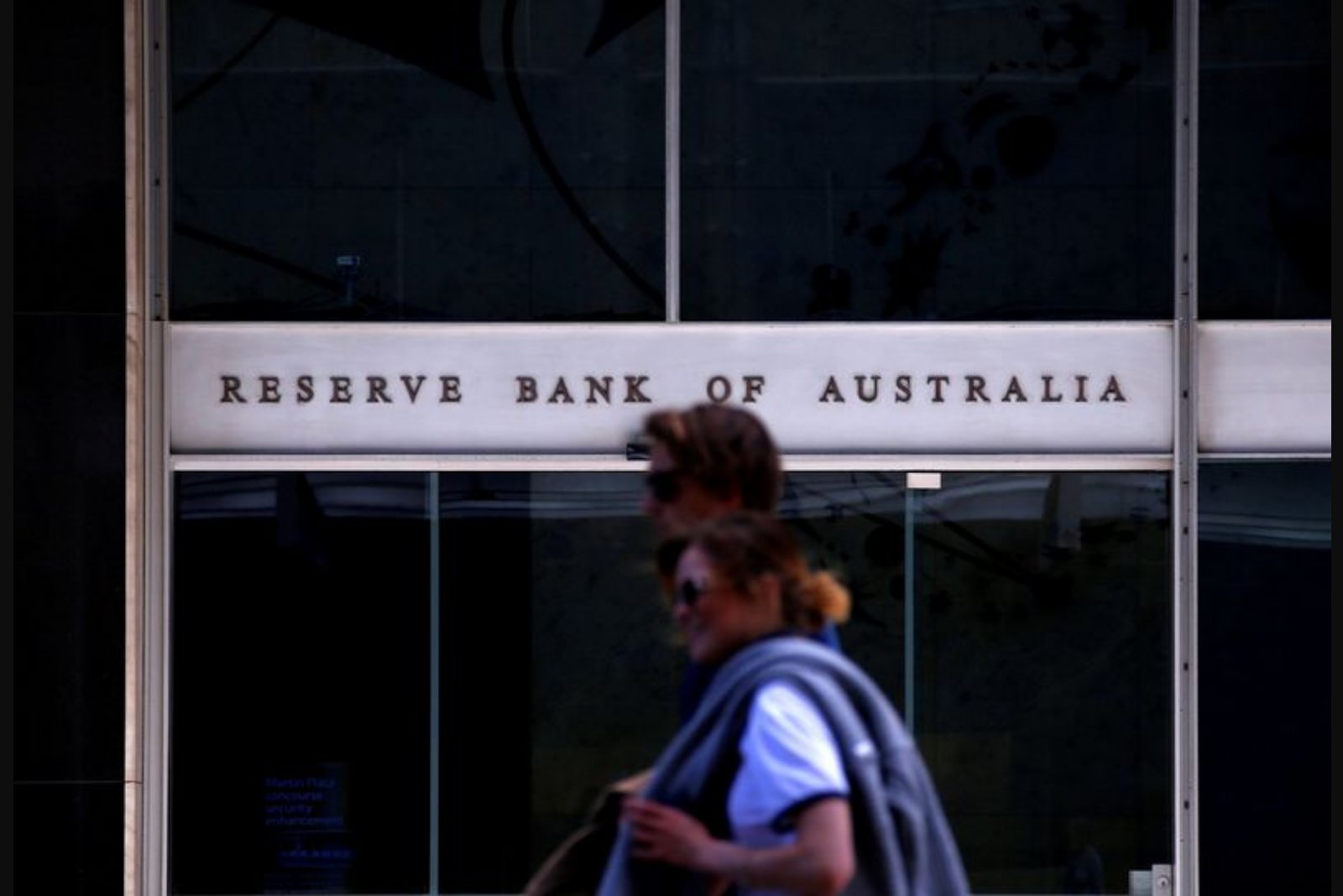
In a speech delivered Tuesday at the Bloomberg Forum for Investment Managers, RBA Assistant Governor Sarah Hunter highlighted the complexities currently facing monetary policy. The central bank is particularly wary of how recent surges in oil prices might manifest in the domestic economy. Hunter noted that while higher oil prices naturally lead to increased costs and consumer prices in the short term, the current context makes this transition more volatile.
Key Economic Drivers and Sector Impacts
The RBA's analysis suggests that several factors are converging to heighten inflationary risks:
- Accelerated Pass-Through Effects: Research conducted by the central bank indicates that the transmission of energy costs to consumer prices is likely to be both more rapid and more widespread than in previous cycles. This is attributed to a backdrop of existing domestic cost pressures and capacity constraints.
- Immediate Business Adjustments: Evidence of price adjustments is already surfacing across various industries. Certain firms have implemented fuel surcharges, while companies within the construction sector are currently reviewing pricing structures for new contracts.
These developments suggest significant implications for the consumer goods and construction sectors, as well as broader market sentiment regarding inflation expectations.
Risks and Market Uncertainties
The central bank identified several critical uncertainties that could influence the trajectory of inflation and interest rate policy:
- Geopolitical Supply Disruptions: Ongoing conflict in Iran poses a risk of more persistent and widespread disruptions to energy supplies. Such volatility is underscored by Brent crude futures reaching two-week highs, trading above $110 per barrel following the closure of the Strait of Hormuz.
- Prolonged Energy Costs: There remains a possibility that oil prices could remain at elevated levels for an extended duration, further complicating the inflation outlook.
However, Hunter also noted a counter-risk to these inflationary pressures. If households respond to higher costs by reducing their consumption, or if businesses decide to scale back on investment more aggressively than anticipated, inflation might ultimately end up lower than current fears suggest.