
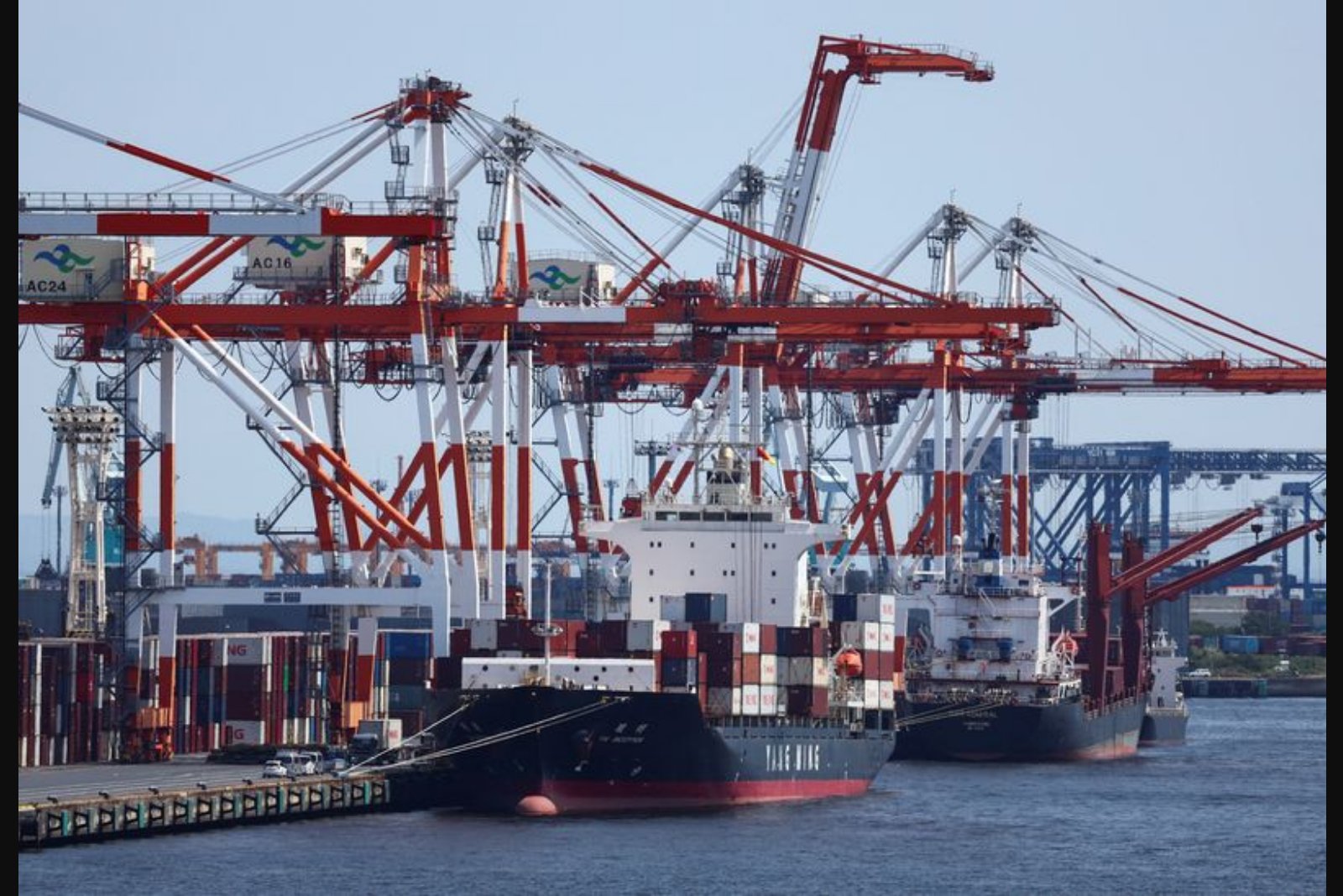
New government data released on Thursday indicates that Japanese exports have achieved their eighth straight monthly increase as of April. This trend highlights a level of global demand resilience even as supply chains face major disruptions due to the ongoing U.S.-Israeli war with Iran. The surge in export value, which rose 14.8% year-on-year, significantly outperformed market expectations of a 9.3% increase.
Key Economic Indicators and Market Impacts
The breakdown of trade destinations and volume reveals several critical trends for the Japanese economy:
- Regional Trade Dynamics: Export growth was evident across major trading partners, with shipments to China rising 15.5% and exports to the United States increasing by 9.5% compared to the previous year.
- Trade Balance Performance: Japan recorded a trade surplus of 301.9 billion yen ($1.90 billion) for the month. This figure was considerably stronger than the anticipated deficit of 29.7 billion yen.
- Import Volatility: Total imports grew by 9.7% year-on-year, surpassing the market expectation of an 8.3% increase. Notably, crude oil imports experienced a 64% plunge, representing the most significant decline since 1980. A finance ministry official noted that while oil imports dropped sharply, an increase in crude oil imports from the U.S. helped mitigate part of this decrease.
These figures suggest that while energy import patterns are shifting, particularly with a reliance on U.S. supplies to offset other drops, the broader manufacturing and export sectors remain capable of driving economic expansion.
Risk Factors and Economic Uncertainties
While current data reflects strong performance, several underlying risks could impact future market stability and industrial production:
- Supply Route Disruptions: The closure of the Strait of Hormuz has already contributed to higher energy costs and supply chain interruptions for oil and other essential inputs. While domestic production has remained steady by utilizing existing inventories and Japan's substantial strategic oil reserves, the long-term sustainability of this position is a point of concern.
- Rising Production Costs: Analysts have warned that if disruptions in Middle Eastern supply routes are prolonged, the resulting rise in production costs could negatively impact both import and export activities.
- Sector-Specific Vulnerabilities: Energy-intensive industries, specifically the chemical sector, face particular risks as slowing global demand and higher input costs may weigh on their operational outlook.
As the economy moves into the next quarter, the ability of Japan to maintain its growth momentum will likely depend on how these geopolitical and energy-related pressures evolve.