
Indonesian policymakers have taken a string of forceful steps to arrest a slide in investor confidence, implementing measures that indicate a pragmatic reorientation of economic priorities.
A source familiar with the policy discussions said the central bank's surprise off-cycle interest rate increase of 25 basis points on Tuesday had government backing and faced no dissent in the meeting that approved it. The source described the decision as a "bitter pill" that had to be swallowed to "heal" the economy. Analysts are also expecting an additional rate rise at next week’s scheduled meeting.
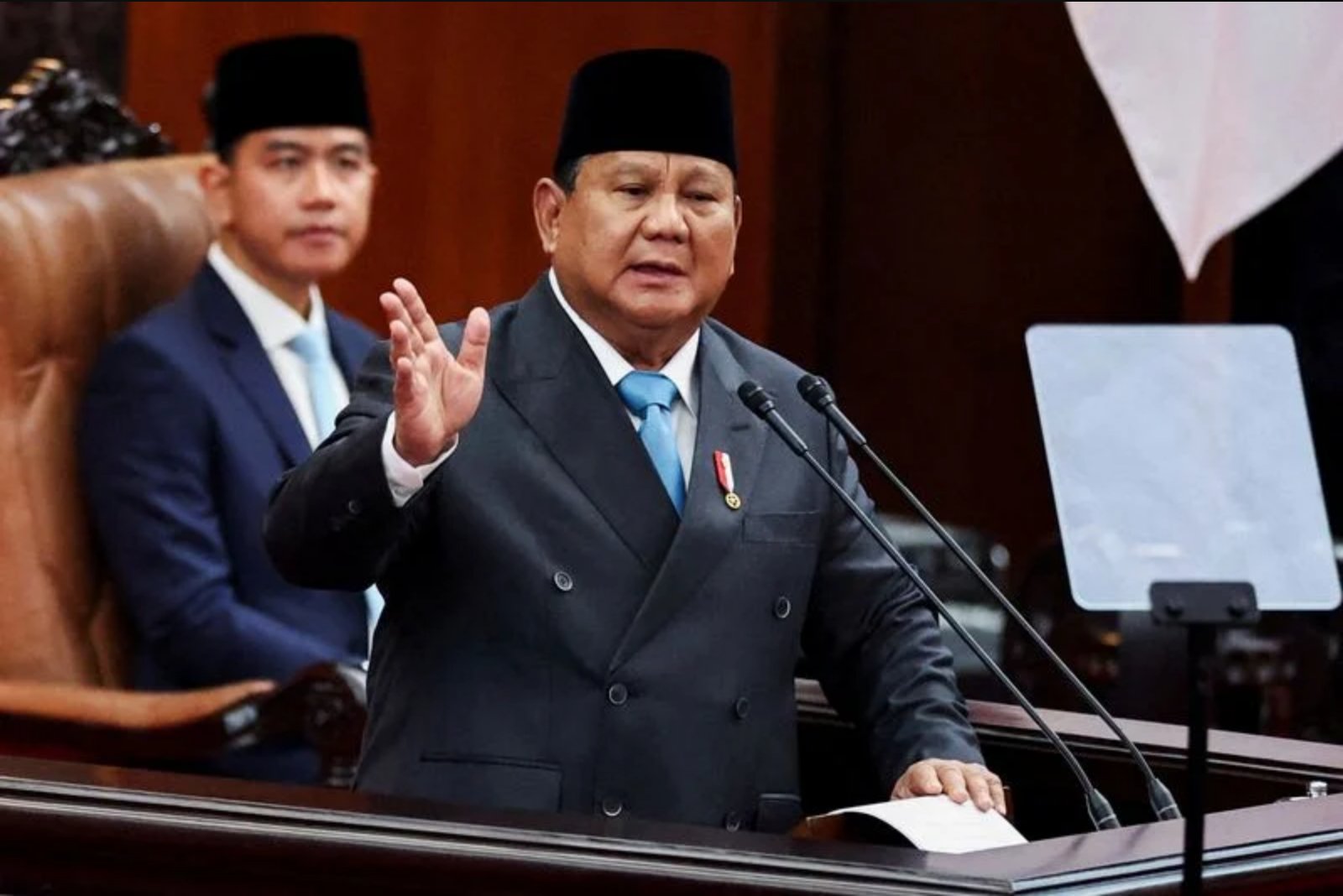
The decision marks a clear departure from the accommodative direction favoured earlier in the administration. Since taking office in October 2024, President Prabowo Subianto's government had seen Bank Indonesia cut policy rates five times. Prabowo has promoted a pro-growth agenda, including ambitious social programmes and fuel subsidies supported from the state budget - policies that had unnerved some investors and coincided with a slump in both the rupiah and the domestic stock market.
Alongside the rate hike, the source said Bank Indonesia and the Ministry of Finance agreed to pause aggressive liquidity injections into the domestic market - a policy the source indicated had contributed to pressure on the currency.
Officials moved quickly to communicate the policy shift to global investors. Senior deputy governor Destry Damayanti said Governor Perry Warjiyo personally took part in outreach calls with investors in Europe, the United States and Asia to explain the central bank's decisions.
The market reaction was immediate. The rupiah recovered more than 1% to 17,940 to the U.S. dollar after recording multiple record lows in recent weeks. The benchmark stock index responded as well, posting a near 10% gain across the last two trading sessions.
Fiscal measures and political sensitivity
Hours after the monetary tightening, the government announced a politically sensitive increase in retail fuel prices, raising the cost of two widely used gasoline grades by 32%. The government said this was the first adjustment since the Iran war pushed global oil prices higher.
For months, state finances have been used to keep domestic fuel prices steady, a policy that helped shore up public support but strained the budget. Data released this month showed subsidies for fuel, power and fertilisers rose 208% year-on-year to 203 trillion rupiah as of May 31, equal to $11.30 billion - a jump that has added pressure on the fiscal deficit cap. Finance Minister Purbaya Yudhi Sadewa has said government finances are under control.
The administration also signalled a halt to the planned expansion of a flagship free meals programme initially sized at $20 billion. The programme's budget has already been revised to $15 billion, and the agency responsible for implementation said it was imposing a moratorium on new kitchens. The programme, which aims to reach 83 million people, has long been a point of investor concern over fiscal governance, and Prabowo had previously indicated he would not retreat from the plan.
Market and analyst perspectives
Market analysts and economists framed the combined monetary and fiscal steps as a deliberate calibration toward stability. ANZ Asia economist Krystal Tan described the rate rise and fuel price adjustment as a "calibrated response" that reflects a "growing willingness by policymakers to allow some degree of market adjustment rather than leaning too heavily against prevailing pressures."
DBS economist Radhika Rao said in a note that a "defensive" fiscal stance would be needed alongside monetary tightening to support the economy.
Observers inside policy circles echoed that sentiment. Muhammad Rizal Taufikurahman, head of the Macroeconomics and Finance Center of INDEF, said the twin moves send a clear signal that authorities are shifting emphasis from a pro-growth posture to a pro-stability focus, adding that economic reality is forcing the government to place stability ahead of ambitious growth targets.
Jahen Rezki, an economist at the Institute for Economic and Social Research at the University of Indonesia, welcomed the short-term relief these steps are likely to bring but cautioned they do not fully resolve underlying credibility issues. He said the combination of monetary and fiscal measures "is like 'salting the sea' - it may provide temporary relief, but it cannot address the fundamental issues: policies that miss the mark and the eroding trust in the credibility of policymakers."
Communications and outstanding responses
Prabowo's office, the government communications office, and Bank Indonesia did not immediately respond to questions about the rate hike and the agreement to pause liquidity injections.
Policymakers have thus far opted for a constrained but visible set of adjustments - a modest increase in the policy rate, a pause to liquidity support, and a substantive rise in fuel prices - aimed at calming markets and correcting fiscal pressures without foreclosing the government's social objectives entirely.
Whether these steps will restore longer-term confidence hinges on subsequent choices around spending, transparency in the execution of large programmes, and the extent to which monetary policy continues to lean into stability rather than growth. For now, the immediate effect has been a notable improvement in currency and equity market performance.
(Exchange rate used in reporting: $1 = 17,960.0000 rupiah)