
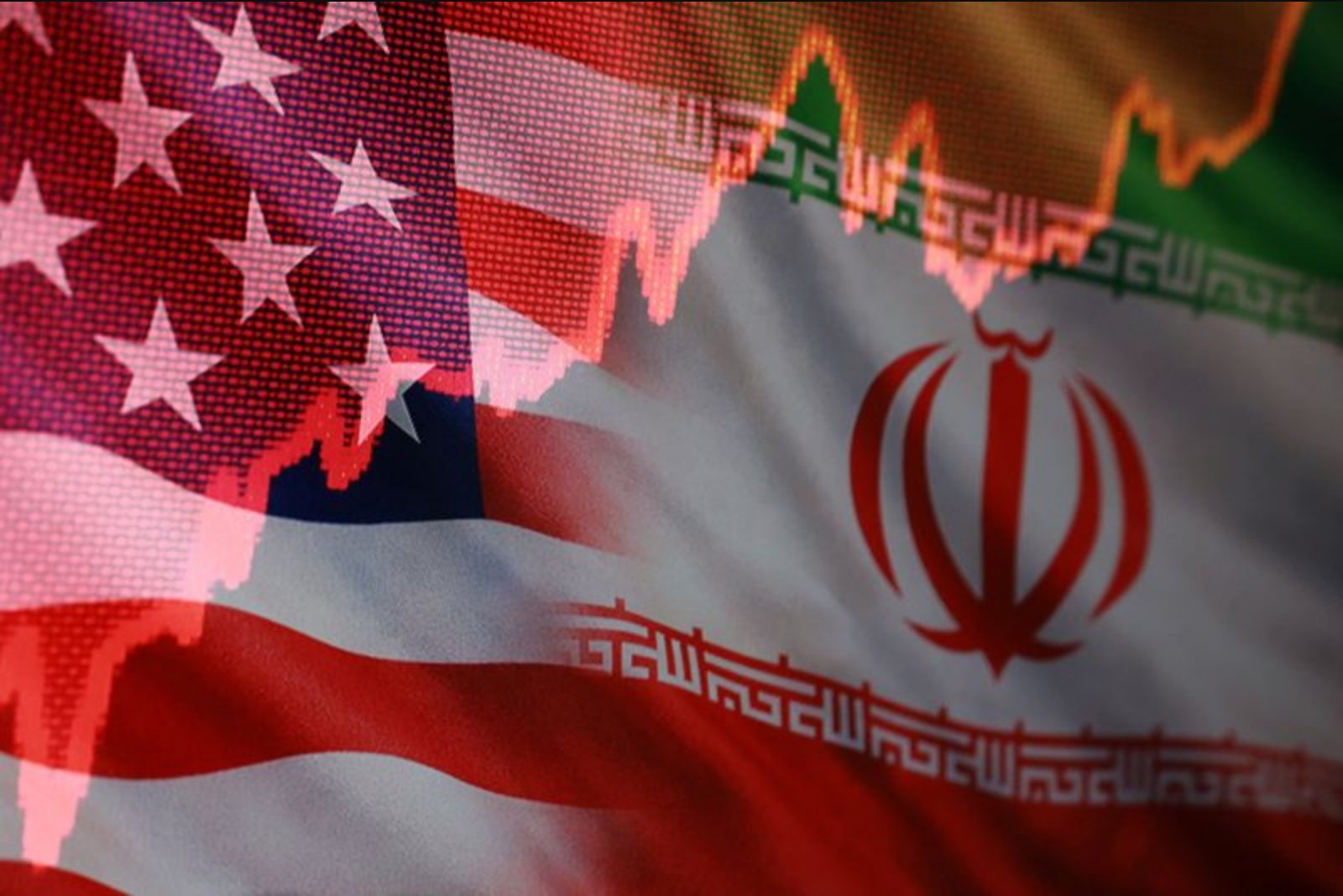
Global financial markets staged a decisive turnaround on Thursday, posting their most substantial gains in two months following a significant de-escalation in geopolitical tensions. The rally was primarily catalyzed by U.S. President Donald Trump's decision to cancel planned military strikes against Iran, coupled with statements suggesting that a peace agreement could potentially be signed as early as this weekend. This sudden shift in risk sentiment immediately impacted multiple asset classes, resulting in sharp declines for both oil prices and U.S. bond yields while driving equity indices higher across the Atlantic.
The rally on Wall Street was broad-based, with the main market indices recording increases ranging from 1.9% to 2.5%. Sector performance varied significantly, reflecting distinct economic dynamics. Eight of the eleven S&P 500 sectors closed in positive territory. The technology sector experienced particularly strong momentum, rising by more than 3%, alongside industrials and materials which also posted gains exceeding 3%. In contrast, the energy sector diverged from the broader market trend, declining by approximately 2%.
Within the technology segment, the SOX semiconductor index recorded its largest single-day gain since April of the previous year, surging nearly 8%. Individual stock movements highlighted specific corporate dynamics. Micron Technology advanced by 12%, while Intel rose by 9%. Boeing shares increased by 6%. Oracle experienced a notable decline, dropping approximately 9%.
Foreign exchange markets mirrored the shifting geopolitical landscape and monetary expectations. The U.S. dollar weakened against major currencies. The USD/CAD pair traded above the 1.40 level for the first time in seven months. Emerging market currencies demonstrated strength, with the Brazilian real appreciating by 1.5% and the South African rand gaining 2%. In commodity markets, crude oil prices fell by 3%, while gold prices increased by 2.43%.
U.S. Treasury yields declined across the curve by between 8 and 9 basis points. The most recent auction for the 30-year bond was characterized as weak, with a tail measurement of approximately 2 basis points.
Central Bank Policy Divergence
In the realm of monetary policy, the European Central Bank (ECB) raised interest rates by 25 basis points on Thursday. This move marks the first action taken by a Group of Four central bank to directly address inflationary spikes exacerbated by geopolitical conflict through monetary tightening. While the central banks of Australia and Norway have already initiated rate hikes, the Bank of Japan is anticipated to follow suit in the coming week.
Current market pricing suggests that traders are expecting two additional ECB rate increases within the current year, with probabilities leaning toward a third hike occurring in early next year. Many economic analysts note that the ECB's updated inflation forecasts and guidance provided by President Christine Lagarde align consistently with a path requiring three additional hikes. Consequently, the ECB has adopted a hawkish stance that currently exceeds the aggressiveness of the Federal Reserve.
SpaceX Market Debut and Retail Investor Considerations
A significant focal point for upcoming market volatility is the impending initial public offering (IPO) of SpaceX. Trading is scheduled to commence on Friday, marking a record-breaking debut with an estimated total IPO valuation of $1.75 trillion and a $75 billion market capitalization at launch. Reports indicate that the offering is approximately four times oversubscribed.
A distinguishing feature of this listing is the unusually high allocation reserved for retail investors, accounting for 30% of shares available. This structure presents potential risks for individual investors. Historical precedents suggest that major technology listings are frequently followed by market volatility and substantial price drawdowns. The combination of high retail participation and the inherent instability often associated with big tech IPOs creates a potentially risky environment.
Financial projections from several large investment banks are highly optimistic, forecasting AI-related revenue to increase by 100 times by 2030 and total sales reaching $3.4 trillion by 2040. For context, SpaceX reported total revenues of $18.7 billion in the previous year. Regardless of long-term projections, the initial trading session is expected to be highly active.
Economic Indicators and Upcoming Events
Beyond geopolitical developments, various economic indicators are scheduled for release that could influence market trajectories. Data points include New Zealand's manufacturing PMI for May, Japan's industrial production figures for April, India's inflation data for May, Germany's final inflation reading for May, UK industrial production for April, Brazil's inflation for May, and the preliminary University of Michigan consumer sentiment survey including inflation expectations from the U.S. for June. Additionally, European Central Bank policymaker Martin Kocher is scheduled to speak.
Geopolitical developments in the Middle East remain a primary variable that could drive market movements. The World Cup presents another complex backdrop, characterized by significant economic activity and political implications. Issues such as declining tourism boosts compared to expectations, pricing out fans from events, and entry restrictions for certain individuals highlight potential economic friction points.
Key Economic Takeaways
- Geopolitical De-escalation Drives Risk-On Sentiment: The suspension of military action in the Middle East has directly fueled equity rallies and reduced commodity prices, particularly affecting energy sectors while boosting broad market indices.
- Central Bank Hawkishness Outpaces Fed: The ECB's rate hike signals a tightening cycle driven by war-related inflation, with policy expectations indicating more aggressive future actions compared to the U.S. Federal Reserve.
- SpaceX IPO Introduces Structural Market Volatility: The unprecedented size and high retail allocation of the SpaceX listing create potential risks for drawdowns, contrasting sharply with optimistic long-term revenue forecasts from investment banks.