
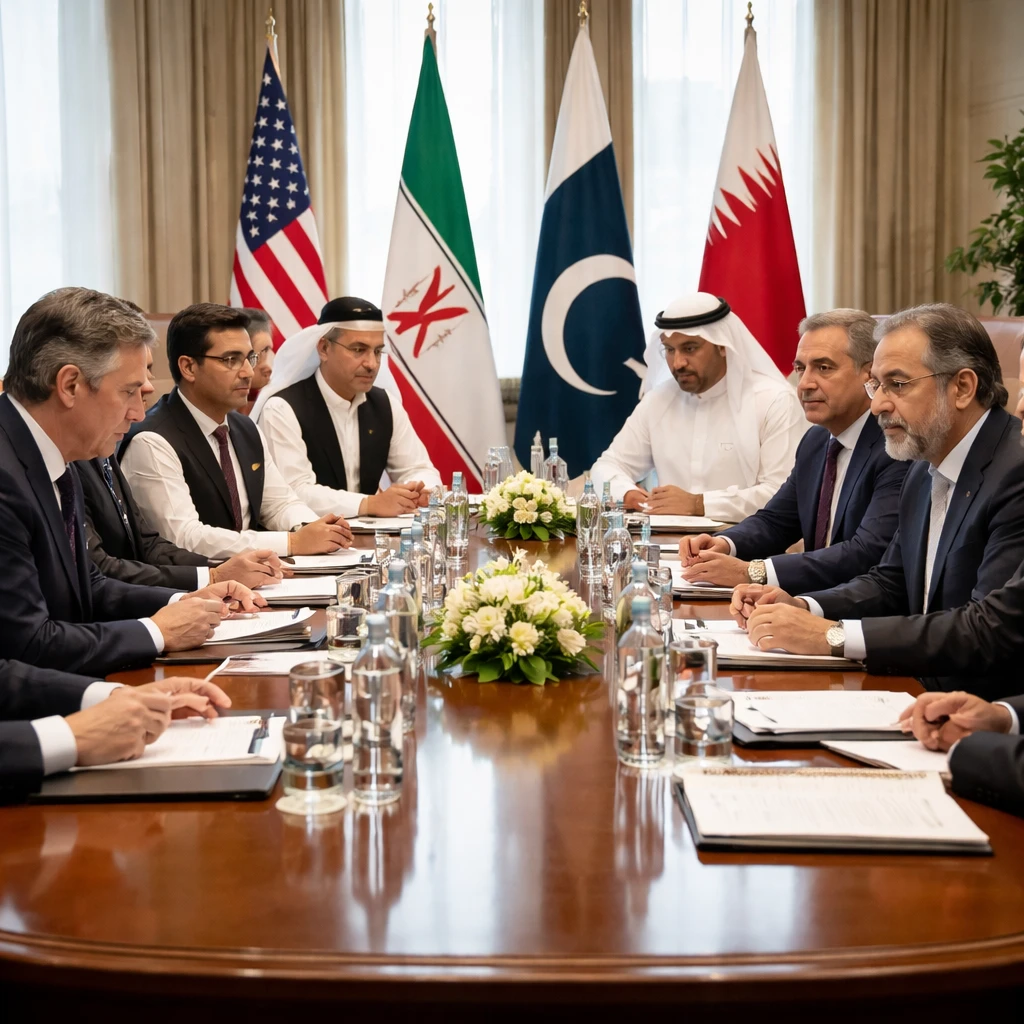
Diplomatic channels between Tehran and Washington have demonstrated marked advancement, with Iranian Foreign Minister Abbas Aragchi highlighting "major progress" in peace talks conducted in Switzerland. The announcements follow a period of intense regional conflict, particularly involving Lebanon, and signal a potential thaw in relations that could reshape economic and security dynamics in the Middle East. Pakistani and Qatari mediators corroborated these developments in a joint statement, confirming that the first round of high-level negotiations had concluded and that substantial, encouraging strides had been achieved.
Aragchi, addressing the outcomes via a social media statement, emphasized the tireless efforts of Pakistani and Qatari intermediaries in driving the process forward. He detailed several concrete concessions that form the basis of the current agreement. Among the most significant economic implications is the waiver of sanctions on Iranian oil and petrochemical exports. This move directly impacts global energy markets, particularly sectors sensitive to supply chain stability and commodity pricing. Additionally, Aragchi confirmed the lifting of a U.S. naval blockade against Iran, a critical security concession that opens maritime routes previously restricted. The minister also noted the launch of a major reconstruction and development plan for Iran, suggesting a shift toward long-term economic engagement and stability.
The diplomatic framework includes structural mechanisms to sustain momentum. Both the United States and Iran have agreed to the establishment of a high-level committee tasked with overseeing the negotiation process. This body will aim to finalize a comprehensive deal within a 60-day window, utilizing technical talks to address remaining disparities. Furthermore, a "de-confliction cell" has been created to monitor and enforce a ceasefire involving Lebanon, aiming to prevent further escalation and ensure compliance with the truce.
These upbeat developments emerge against a backdrop of recent volatility. Reports indicated that the Iranian delegation had previously halted talks in response to threats by U.S. President Donald Trump of additional attacks against Iran, particularly concerning Iranian support for Hezbollah and activities in Lebanon. The President had demanded that Tehran rein in Hezbollah amidst a bitter clash with Israel in Southern Lebanon. However, a turning point was reached last week when the two nations agreed to a 14-point memorandum of understanding. This document outlined a path to end hostilities and chart a course toward a more comprehensive peace agreement. As part of this interim arrangement, the U.S. lifted its naval blockade, and Iran permitted some ship traffic through the strategic Strait of Hormuz, easing immediate tensions in global shipping lanes.
Despite these advancements, significant challenges remain. Israel’s offensive against Lebanon continues to be a primary point of contention. Iran has explicitly stated that Israel must adhere to the ceasefire agreement before any further peace talks can proceed. This condition underscores the fragility of the current agreement and the complex web of regional alliances at play. Tensions had previously flared over the weekend when Tehran closed the Hormuz Strait, responding to continued Israeli attacks on Lebanon and Hezbollah despite a ceasefire agreement reached on Friday. The re-opening of the strait and the current diplomatic thaw suggest a de-escalation, but the underlying conflict in Lebanon remains a volatile variable that could disrupt ongoing negotiations.