
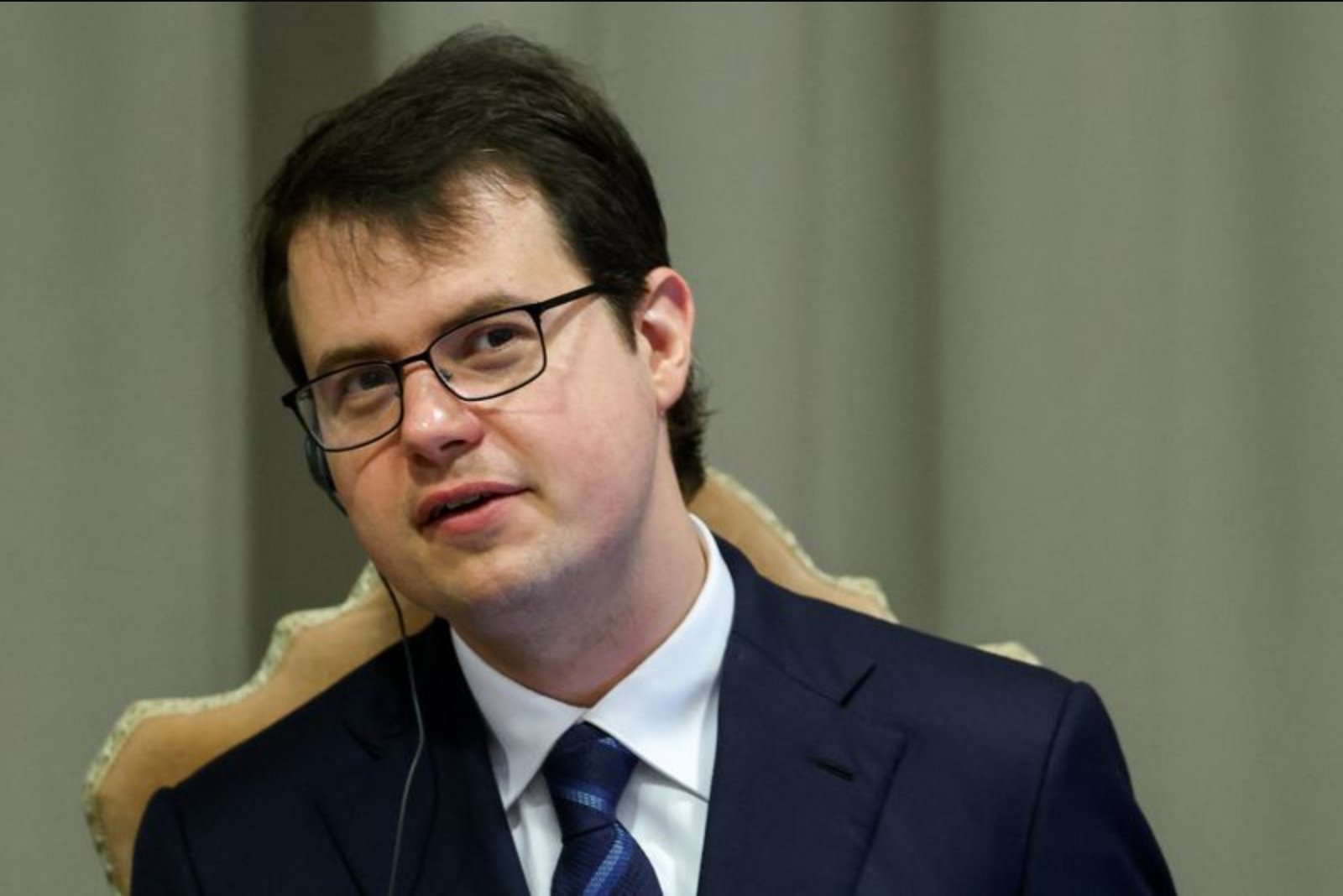
Vatican City, May 25 - Anthropic co-founder Chris Olah told attendees at the Vatican on Monday that the development of artificial intelligence should not be the exclusive domain of technology companies, calling instead for increased engagement from religious leaders, governments and civil society.
Olah was speaking at the presentation of Pope Leo's first encyclical on artificial intelligence and shared the stage with the pope. He cautioned there is "a real possibility" that AI will displace human labor "at very large scale," and said that should such displacement occur, "supporting those displaced will be a moral imperative of historic proportions."
Pointing to the pressures that shape decisions inside private AI firms, Olah said companies like his face strong commercial, geopolitical and personal incentives that can run counter to wider social interests. He argued those internal dynamics make external oversight necessary.
"Every frontier AI lab ... operates inside a set of incentives and constraints that can sometimes conflict with doing the right thing," Olah said, adding that even well-intentioned researchers remain influenced by those forces.
Olah linked those incentive structures to the need for scrutiny from parties outside the technology industry. He specifically urged greater involvement from religious leaders, governments and civil society in shaping how AI advances, framing such involvement as vital to ensure technology development aligns with broader public interests.
The points Olah raised centered on two interrelated concerns: the potential scale of workforce displacement from AI-driven automation and the limits of self-regulation within commercial AI organizations. He framed both as moral and governance questions rather than purely technical or commercial issues.
At the Vatican event, the juxtaposition of a tech industry leader and the pope underscored the breadth of stakeholders Olah said should participate in oversight - a group he described as extending beyond the corporate sector to include faith institutions and civic actors.
Olah concluded that the combination of powerful incentives inside AI labs and the potentially large social impacts of their work make outside scrutiny indispensable for guiding AI in a direction consistent with society's values and responsibilities.