
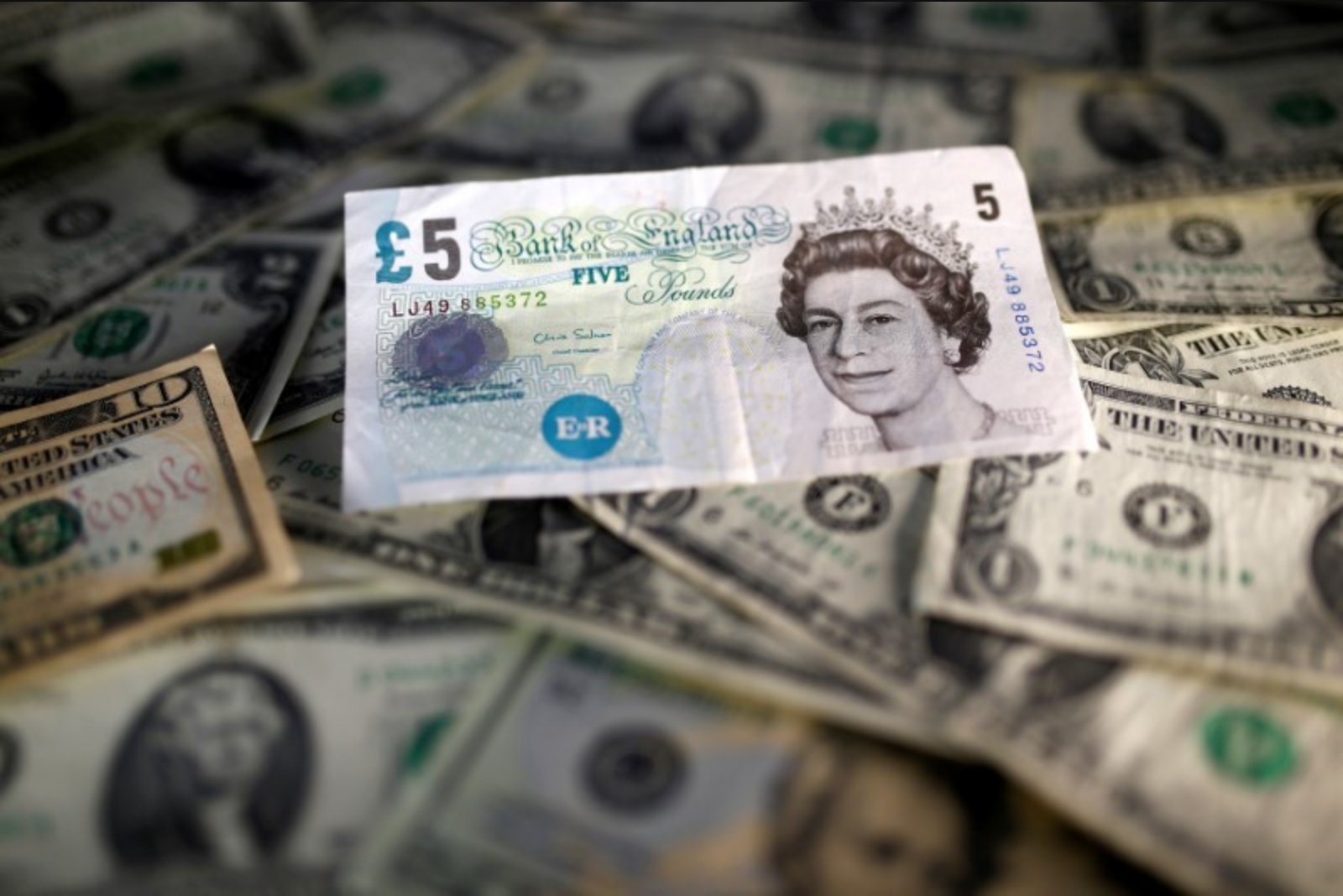
Sterling and the euro traded lower on Friday, with the pound lagging after a headline GDP print for April showed a monthly contraction. The data has amplified concerns that the UK economy is cooling, and that elevated energy costs and geopolitical tensions continue to press on demand.
As of 08:30 ET (12:30 GMT), GBP/USD was 0.20% lower at 1.3390, while EUR/USD eased 0.14% to 1.1562. The U.S. dollar maintained broad support despite some improvement in risk sentiment, as market participants factored in a cautious outlook for the Federal Reserve ahead of its policy meeting next week.
The Office for National Statistics reported that the UK economy contracted by 0.1% month-on-month in April, matching consensus expectations. That decline follows monthly gains of 0.3% in March and 0.4% in February, indicating a softer start to the second quarter after a comparatively strong first quarter.
The weaker April GDP reading is likely to intensify worries that overall activity could shrink across the April-June period, complicating government efforts to sustain growth while energy prices remain elevated and geopolitical uncertainty persists. For sterling, the print reinforces expectations that the Bank of England will adopt a cautious posture, limiting the currency’s ability to benefit from any broader pickup in risk appetite.
The euro also struggled to find sustained upward momentum despite a hawkish European Central Bank meeting earlier in the week. Markets have already priced in a sizeable share of the anticipated tightening, leaving EUR/USD unable to hold moves above the 1.1600 area. Investors continued to view the Federal Reserve as the dominant influence on major currency pairs given lingering inflation risks.
Market sentiment did receive some support from reports that the United States and Iran are moving closer to a framework agreement that could reopen the Strait of Hormuz and ease restrictions on Iranian oil exports. The potential for increased supply pushed Brent crude lower and helped allay fears of a prolonged supply shock, although traders remained cautious until any formal agreement is confirmed.
From a technical perspective, EUR/USD faces immediate resistance around 1.1600, with a decisive break above 1.1650 needed to challenge the dollar-backed trend. Initial support sits near 1.1500. For sterling, near-term support remains at 1.3350, followed by a key floor at 1.3300, while resistance is located in the 1.3450 to 1.3500 area.
Attention now turns to U.S. consumer sentiment and inflation expectations due later in the session, alongside any further developments in U.S.-Iran negotiations. Any indications of persistent inflationary pressures or a more hawkish Fed stance could bolster dollar demand and leave both the pound and the euro on the defensive.
Market snapshot:
- GBP/USD: -0.20% at 1.3390 (08:30 ET / 12:30 GMT)
- EUR/USD: -0.14% at 1.1562 (08:30 ET / 12:30 GMT)
- UK monthly GDP (April): -0.1% mm; March: +0.3% mm; February: +0.4% mm
- Brent crude: lower on reports of potential U.S.-Iran framework agreement
Traders will be watching incoming U.S. data and the evolution of diplomatic talks for cues on energy supply and central bank intent. Until more definitive signals emerge, the dollar’s status as the primary driver of major FX moves is likely to persist, keeping pressure on both the pound and the euro.