
Commodities August 25, 2026 11:05 AM

U.S. President Says Strait of Hormuz Cleared of Mines, Warns Iran Against Replanting

Trump cites Space Force surveillance and a 'zero tolerance' posture as attacks on vessels continue and oil transits remain reduced

By Sofia Navarro
Share
Twitter Reddit Facebook LinkedIn

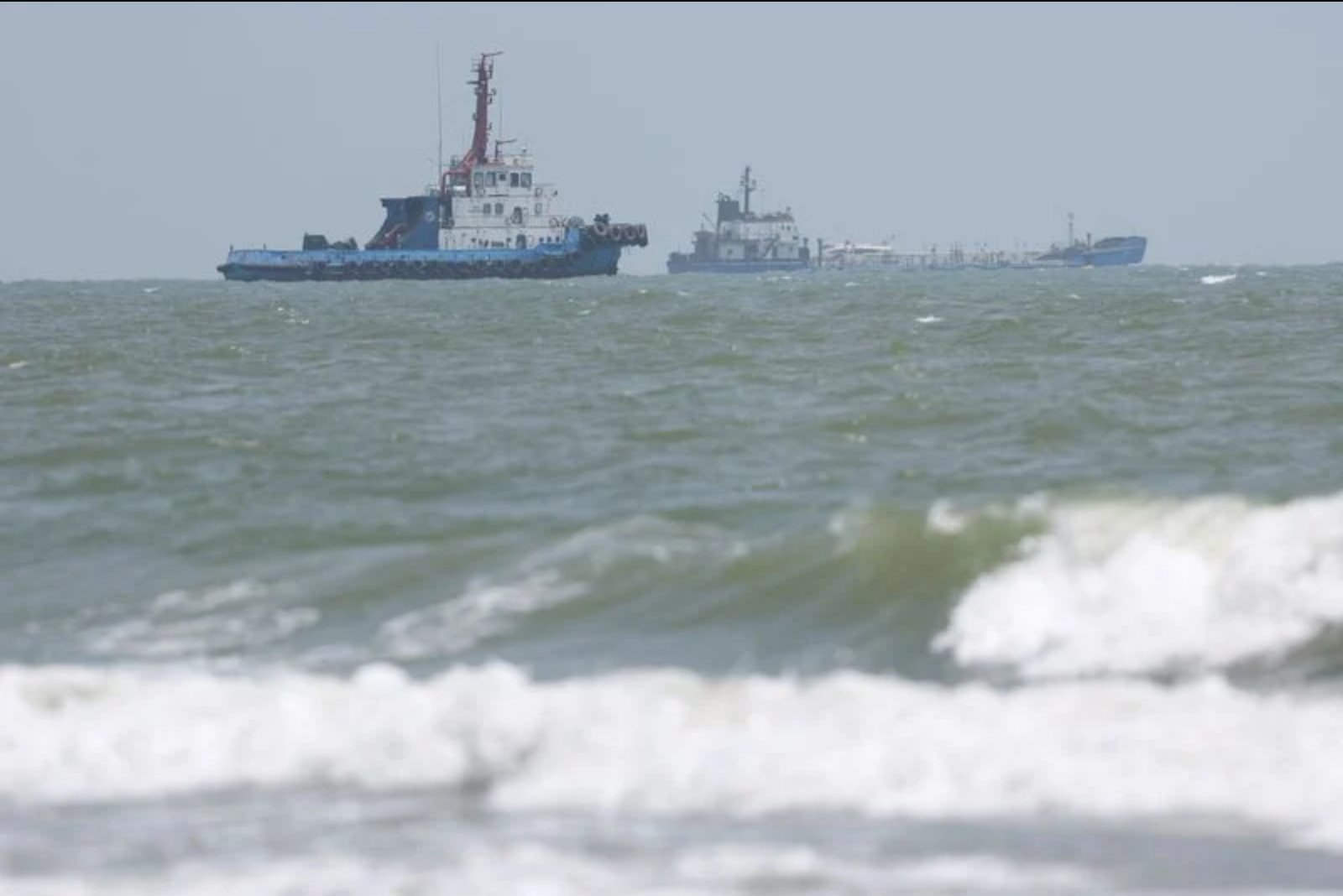
President Donald Trump posted that mines in the international waters of the Strait of Hormuz have been detonated or removed and that Iran has been warned any vessel laying new mines will be destroyed. He said the U.S., using its Space Force, is monitoring the waterway closely. The statement comes amid ongoing vessel attacks in the strait and amid sharply reduced oil transit volumes compared with pre-war levels.

U.S. President Says Strait of Hormuz Cleared of Mines, Warns Iran Against Replanting
Summarize with
ChatGPT Perplexity Claude Grok Gemini

Key Points

  • President Trump said mines in the international waters of the Strait of Hormuz have been detonated or removed and warned Iran that any vessel planting new mines will be destroyed - sectors impacted: defense, maritime security.
  • Trump stated the U.S., via its Space Force, is monitoring the Strait closely and that a zero tolerance policy on mine placement is in effect - sectors impacted: defense, surveillance technology.
  • Provisional shiptracker Vortexa data showed oil transits through the strait at 5 million barrels per day on Monday, down from more than 20 million per day before the war - sectors impacted: energy, global oil markets.

U.S. President Donald Trump said on Tuesday that mines in the international waters of the Strait of Hormuz have either been detonated or removed and that Iran has been warned any ship or boat placing additional mines will be destroyed.

Posting on Truth Social, the president said the United States, through its Space Force, is watching "every square inch" of the Strait - a maritime corridor identified in his statement as a key element of the global energy supply chain. "There is a Zero Tolerance policy on mine placement in full force and effect," he added.

The president's remarks followed continued incidents in the narrow waterway. While the U.S. and Iran have not launched air strikes against each other’s militaries for several weeks, attacks on vessels transiting the Strait of Hormuz have persisted, the statement noted, as the two countries contest control of the passage.

Provisional data from shiptracker Vortexa, cited in reporting of the events, showed oil transits through the strait at 5 million barrels per day on Monday. That figure compares with more than 20 million barrels per day before the war, a decline the reporting framed as a drop from pre-war volumes and equivalent to roughly one of every five barrels consumed worldwide.


Operational posture and monitoring

The president emphasized surveillance capability, stating that U.S. forces are monitoring the waterway closely. He framed the response to any new mine-laying as immediate and forceful, reiterating a strict policy against the emplacement of naval mines in international waters of the strait.

Security environment

Even with an absence of recent air strikes between the U.S. and Iran, maritime attacks have continued, underlining persistent hazards for vessels operating in the corridor.

Energy transit impact

Reported transit volumes for oil through the strait remain significantly reduced compared with pre-war figures, according to provisional shiptracking data referenced in the reporting.


The available public statements and provisional tracking figures form the basis of the current account; additional details and operational specifics were not provided in the referenced remarks.

Risks

  • Continued attacks on vessels in the Strait of Hormuz present ongoing disruption risks to maritime shipping and energy transit - sectors impacted: shipping, energy.
  • The possibility of new mine placements, which the president warned would be destroyed, remains an uncertainty for naval and commercial operations in the corridor - sectors impacted: naval operations, insurance.
  • Significant reductions in oil transit volumes through the strait introduce volatility risks for energy markets and supply chains - sectors impacted: oil markets, downstream energy consumers.

More from Commodities

U.S. Tariff Threat Tightens Copper Market Despite Global Surplus Aug 25, 2026 Citi Sees Gold Rally Driven by Speculative Flows, Flags Jackson Hole as Key Risk Aug 25, 2026 European gas stalls near five-month highs as U.S. Iran sanctions fail to tighten supply Aug 25, 2026 Sinopec’s New Leadership Pushes a Strategic Reset as Fuel Demand Ebbs Aug 25, 2026 Nearly Half of Global Oil Supply Originates in Conflict-Affected Countries in 2026 Aug 25, 2026