
The U.S. military announced on Wednesday that it had concluded another night of strikes on Iranian targets authorized by President Donald Trump, extending American operations to a twelfth consecutive night.
In a statement, U.S. Central Command described the targets as Iranian military sites and specified the types of capabilities struck, saying, quote, "U.S. forces struck Iranian military targets including maritime capabilities, missile and drone storage facilities, coastal surveillance sites, and air defense assets," end quote.
Central Command added that during July U.S. forces have focused on dozens of Iranian military locations on land while also reinstating a blockade against Iran at sea. The most recent series of strikes lasted five hours, according to the military.
The present exchange of attacks traces back to February 28, when the United States and Israel conducted strikes on Iran. Iran then responded with attacks directed at Israel and at Gulf states that host U.S. bases. Since those initial strikes, subsequent U.S.-Israeli operations on Iran and Israeli actions in Lebanon have resulted in large-scale human costs, with thousands killed and millions displaced, the statement said.
U.S. military fatalities have risen in recent days, with troop deaths now reported at 18.
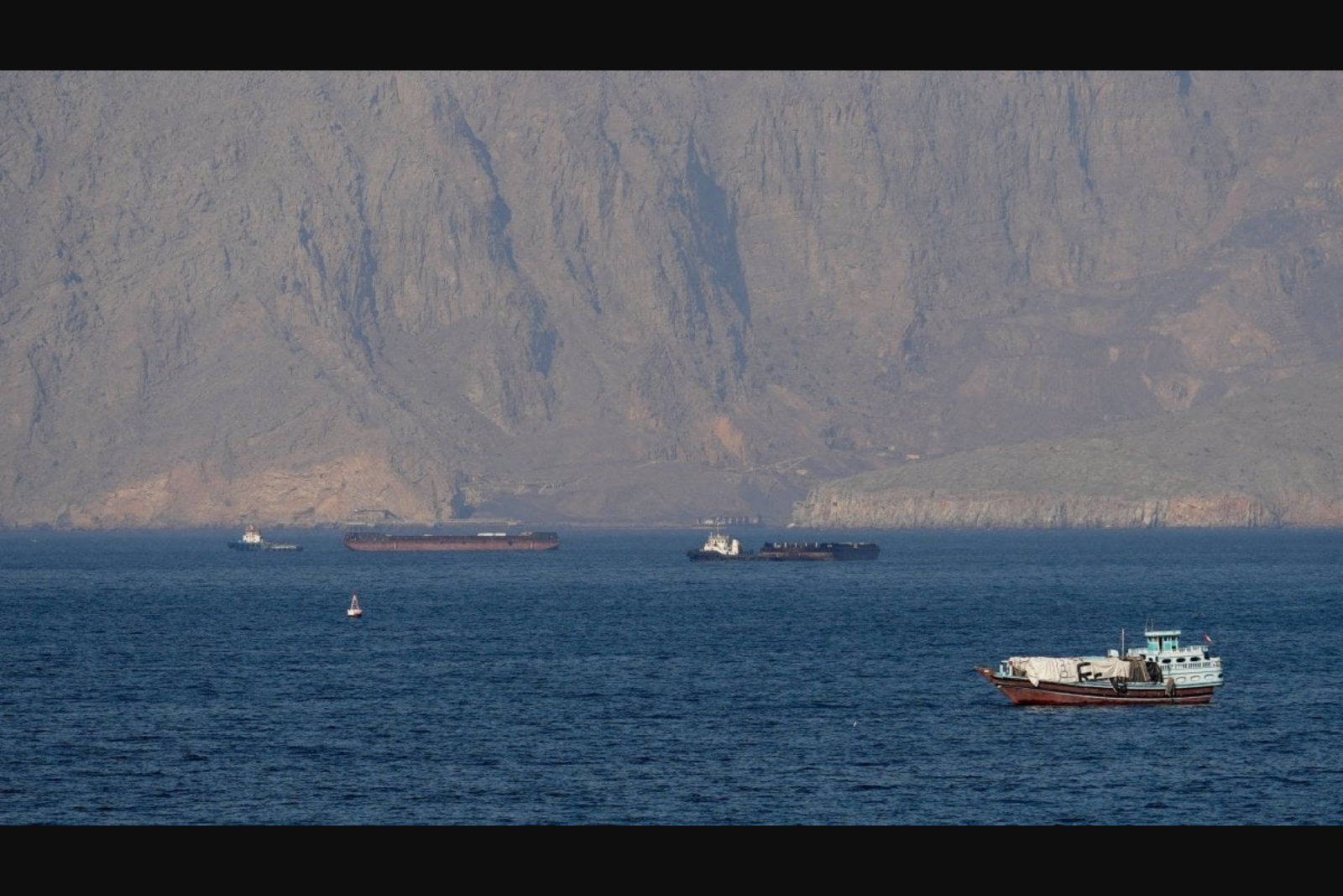
On Wednesday President Trump vowed a pattern of targeted reprisals for attacks on merchant shipping, saying he would destroy an Iranian bridge or power plant each time Iran fires on a ship transiting the Strait of Hormuz. The president has previously threatened to target energy plants and bridges.
In response to such threats, Iran's joint military command issued a warning that if those promises were carried out, Iranian forces would target regional oil, gas, electricity and economic facilities, according to state media.
International humanitarian law considerations were also noted. The 1949 Geneva Conventions prohibit attacks on sites deemed essential for civilian survival, and legal experts in the United States warned in April that strikes on such infrastructure could amount to war crimes. The same month, the president's wider threat to destroy Iran's entire civilization drew broad condemnation.
The military statement, the president's declarations and Iran's warnings together underscore a tense operational period in which kinetic activity, declared intentions, and legal concerns intersect. The events described involve repeated rounds of strikes, naval restrictions at sea, reciprocal cross-border attacks, significant human displacement and rising U.S. military casualties.