
Summary
The U.S. Army announced awards totaling up to $2.2 billion to five companies to develop and operate factory-built microreactors on military bases. These compact nuclear units - designed to be transportable and to generate up to 20 megawatts each - are being pursued through the Army's Janus program with a goal of having the first unit in place by September 2028. The program is pitched as a means to supply electricity to remote installations and to help attract private investment.
Selection and sites
The Army named the five firms and the Army posts where they will develop and potentially operate microreactors:
- Antares Nuclear Inc at Fort Bragg, North Carolina
- BWXT Advanced Technologies LLC at Fort Campbell, Kentucky
- General Atomics Electromagnetic Systems at Fort Hood, Texas
- Radiant Industries Inc at Fort Benning, Georgia
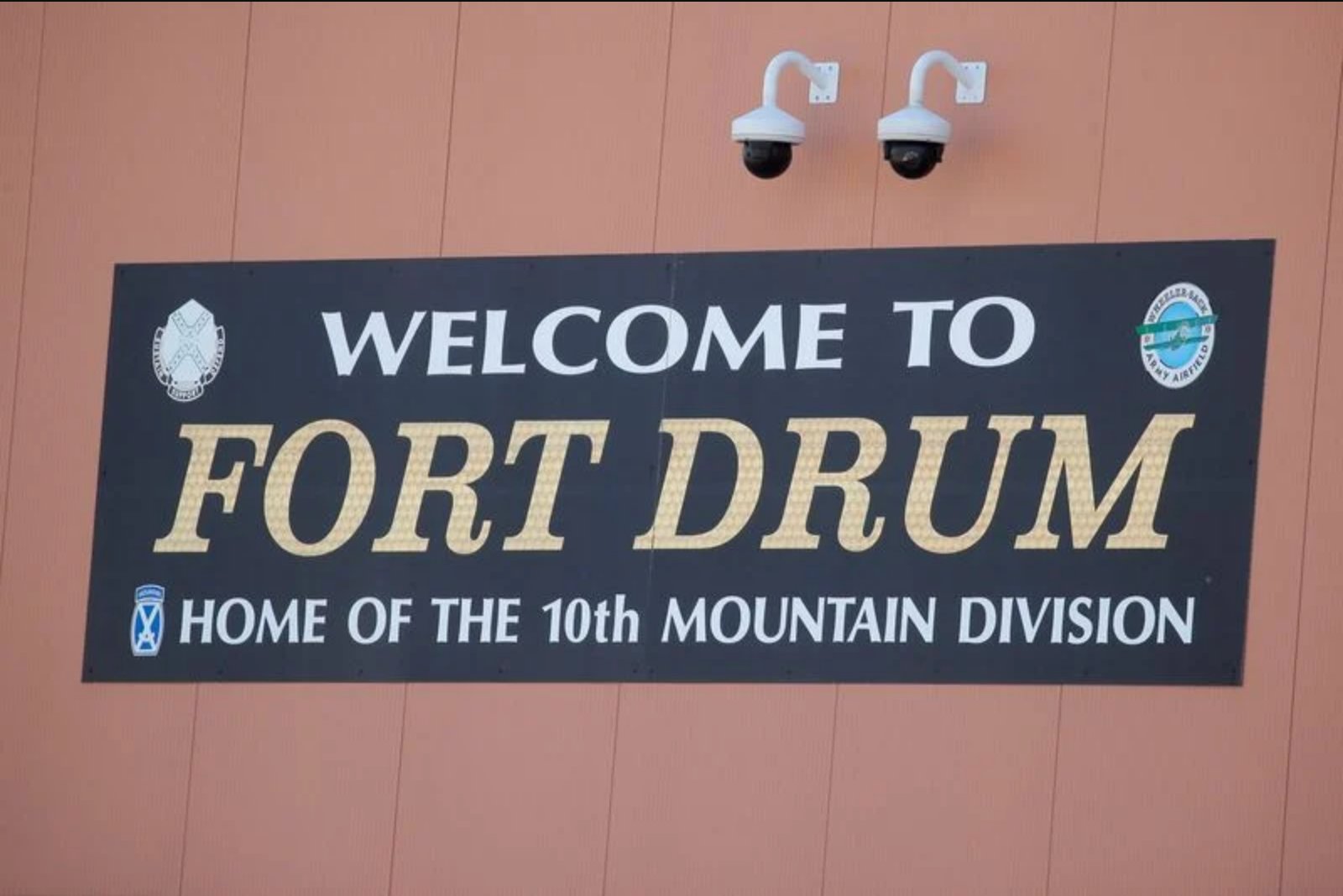
- Westinghouse Government Services at Fort Drum, New York
The Army did not break down how the total funding will be split among the companies.
Program goals and timeline
Janus is intended to mature microreactor technology toward a product that can serve both military and commercial markets. The Army has set an objective of deploying the first microreactor by September 2028. Officials say the long-term aim is a commercial product, and that the program should help catalyze additional private capital to scale deployments.
Commercial aspirations and industry remarks
Jeff Waksman, the principal deputy assistant secretary of the Army for Installations, Energy and Environment, described the program's end goal as producing a commercial product. "The whole idea here is that at the back end of this we want a commercial product," he said.
Radiant Industries provided more specific financial context: Radiant said it will receive up to $750 million under the program to develop and deploy 15 of its Kaleidos reactors. Radiant's Chief Commercial Officer Mike Starrett told Reuters that the Janus award is central to scaling Radiant's business and enabling it to serve commercial customers such as data centers around 2030.
Costs, expectations and critiques
Critics argue microreactors are likely to be more costly than conventional nuclear plants. Army officials acknowledge that microreactors are not expected to be cheaper than traditional reactors. "Nobody thinks that microreactors will be lower in cost than conventional plants," Waksman said, adding that Janus is intended to test pathways to bring those costs down.
The Army highlighted current energy costs for certain military operations as part of the rationale for pursuing alternative sources; the military currently pays about 40 cents per kilowatt hour to power Arctic installations, a figure the service hopes to reduce.
Radiant projects that because its reactors are containerized and can be delivered directly to customers - avoiding energy transmission fees - their delivered cost will fall in the range of 20 to 30 cents per kilowatt hour.
Regulation and safety
The Army stated that microreactors will be required to comply with all environmental and safety rules that apply to commercial reactors. However, the Army will regulate these installations rather than the U.S. Nuclear Regulatory Commission, which oversees commercial nuclear plants.
Financing expectations
Officials said they expect the private sector to provide more capital for the reactors than the federal government, and that the Janus awards are intended to help attract that additional private funding.
What this means for procurement and energy consumers
The Janus program links defense procurement with an expressed commercial pathway: the Army is funding development to both meet military needs in remote, high-cost environments and to accelerate a technology that participating companies hope to sell to commercial customers. The awards support prototype development, deployment planning at specified bases and efforts to reduce delivered energy costs through modular, transportable reactor designs.
This article presents the Army's announced selections, program objectives, cost expectations, regulatory approach and company statements as provided by the Army and participating firms.