
Oil retreated on Monday as statements from the United States about near-term diesel deliveries from Russia and an unexpected announcement of an energy ceasefire between Ukraine and Russia eased some immediate supply concerns, even as conflict in the Middle East and attacks on tankers kept upside risks intact.
By 0154 GMT, Brent crude futures had declined $1.54, or 1.47%, to $103.18 a barrel. US West Texas Intermediate (WTI) crude was down $1.54, or 1.68%, at $90.31 a barrel. ICE gasoil futures slumped about 3% to $1,436 per barrel after the US president said Russia would immediately supply more than 300,000 metric tons of diesel - equivalent to roughly 2.25 million barrels - to US and global markets. Additional shipments of 500,000 tons were pledged for November, followed by a further 1 million tons "immediately thereafter," according to the same announcement.
The International Energy Agency estimates global daily diesel consumption at nearly 29 million barrels. The US statements, coupled with the energy ceasefire announcement, pushed prices lower as markets re-evaluated short-term availability of distillate fuel.
However, the fragility of that improvement was underscored by caution from market analysts. Tim Waterer, chief analyst at KCM Trade, warned that uncertainty about the credibility and durability of any ceasefire could limit the scale of the pullback in prices. "Questions remain over the validity and longevity of any such ceasefire, and without clearer evidence that it will actually hold, the extent of the pullback is likely to stay limited," he said.
The International Energy Agency's executive director, Fatih Birol, urged member countries to assess whether further diesel releases are required. Birol also called on nations that have not yet delivered pledged volumes to accelerate their remaining releases, prioritising diesel.
Middle East tensions continue to prop up Brent
Despite the diesel supply announcements, crude remained supported by instability in the Middle East. The Houthi group said it was behind a Saturday strike on Riyadh's international airport that killed 13 people and wounded more than 300. Saudi authorities reported additional injuries in a new attack on the airport on Sunday.
US statements over the weekend indicated Washington was considering joining Saudi strikes on the Houthis. Those actions were described as a spillover from the wider war with Iran that the US and Israel launched in February. Such developments heightened concerns about the security of Middle Eastern oil flows.
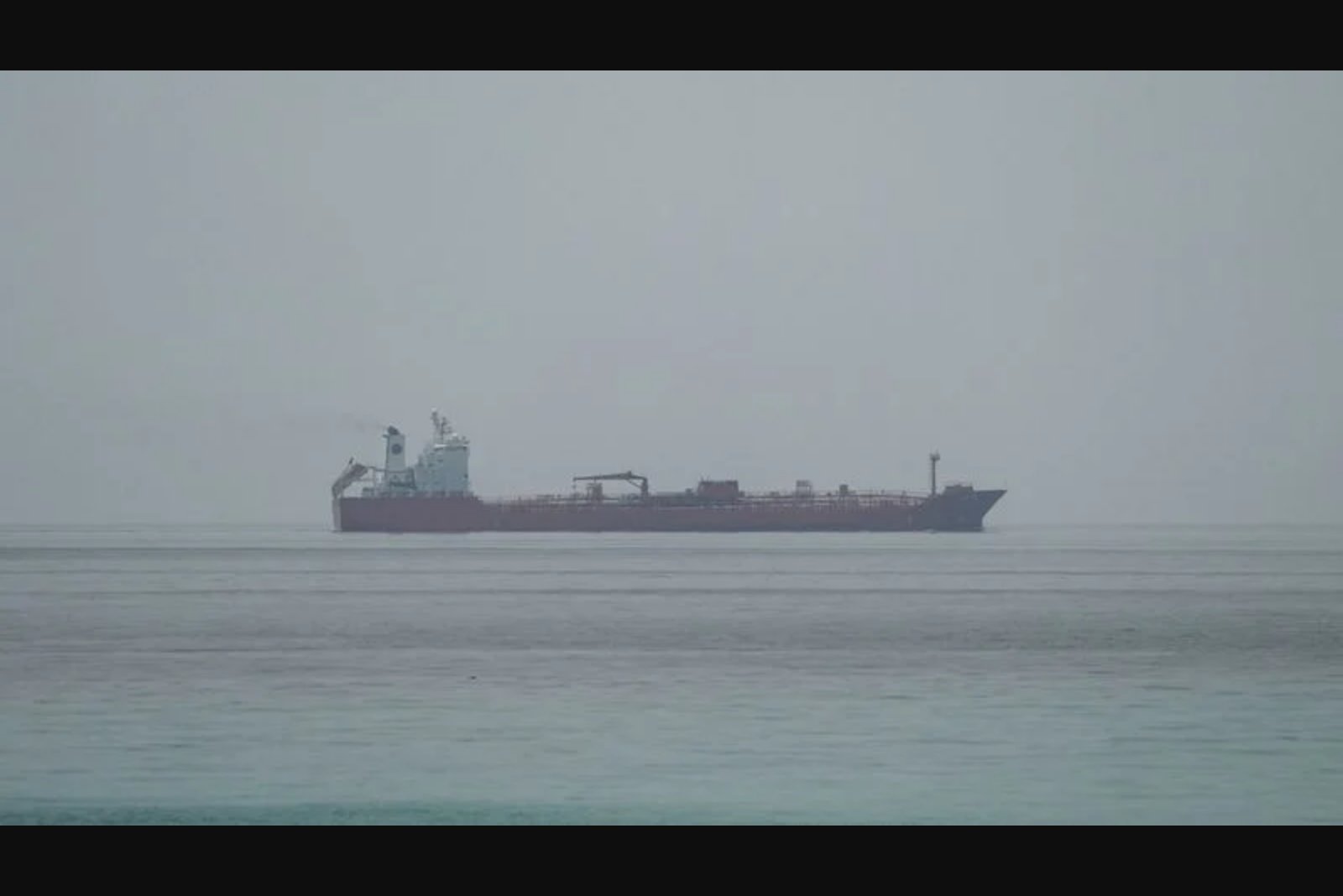
Compounding the regional risk, several attacks on tankers have been reported this month while ships transit the Strait of Hormuz and nearby waters. The United Kingdom Maritime Trade Operations reported a vessel struck by a drone near the Sohar anchorage in Oman, and another tanker was damaged by an unknown projectile while transiting the Strait of Hormuz. These incidents threaten to slow the recovery in Middle Eastern crude exports that was observed in September.
Analysts raise price forecasts amid upside risks
Goldman Sachs raised its Brent crude price forecast for December to $90 a barrel from $85, according to a note by analysts led by Daan Struyven. The bank's research team said they maintain a base case that continued adaptation of Mideast supply will eventually reduce crude oil prices, but they also warned that renewed escalation would present a significant net upside risk. The analysts estimated a risk premium of just over $20 a barrel.
Goldman Sachs' team also highlighted a persistent pricing gap between WTI and Brent, attributing it to elevated US-Europe shipping costs. They forecast WTI prices to average $81 in December 2026 and $73 in 2027.
Gulf of Mexico platforms affected by hurricane
Meanwhile, operators in the Gulf of Mexico moved to protect personnel and assets after Hurricane Isaias made landfall early on Saturday. Energy majors Shell, Chevron and BP were reported to be redeploying personnel and working to restore production at platforms impacted by the storm.
The combination of increased diesel availability from Russia, unresolved questions about the ceasefire, elevated Middle East security risks and weather disruptions in the Gulf of Mexico left markets balancing competing forces that pushed benchmark prices in opposite directions.
Market participants will be watching for confirmation of the diesel deliveries, details on the energy ceasefire, further intelligence on attacks affecting shipping lanes, and updates on production restorations in the Gulf of Mexico to determine whether the recent price moves represent a short-lived reaction or the start of a more sustained trend.