
President Donald Trump said in a televised phone interview on Fox & Friends that the United States would likely take control of the Strait of Hormuz and should receive payment for maintaining security there. "We’re going to keep the strait, and we’ll probably run it. We’ll become the guardian of the strait. Maybe we’ll call it the guardian angel of the strait. And we should be reimbursed for that," he said.
Trump framed the proposal as both a security measure and a financial arrangement. "We’re going to guard it. We’re going to get paid for guarding it - a lot of money," he said. "We’re going to be reimbursed, because the other nations are very wealthy. They’re on our side, and we can’t be expected to do that for nothing," he added.
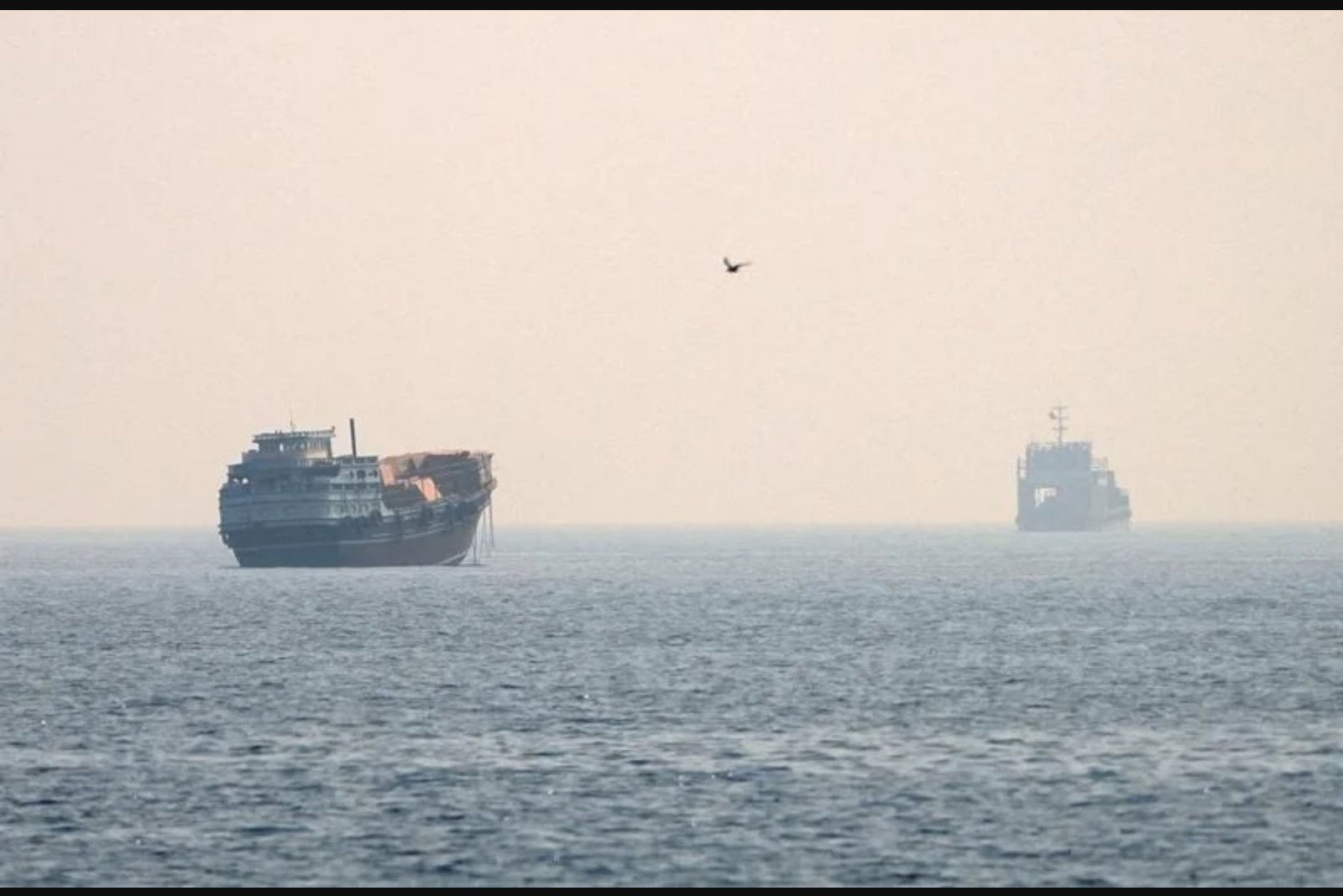
Control of the Strait of Hormuz, which the president described as a critical artery for global oil flows, has become a focal point in recent hostilities. Iran announced on Saturday that it had closed the waterway after what Tehran characterized as an unauthorized transit. On Sunday, Iranian authorities said passage remained suspended and that permits for transit would be granted only after "stability and calm" had returned.
Tehran's effective blockade of the strait has been cited as a factor pushing energy prices higher and raising worries about global inflation. The situation has drawn attention from governments and markets concerned about the reliability of a route used for a substantial portion of global oil shipments.
In public statements on Monday, Iran’s Islamic Revolutionary Guard Corps said the only way to resume normal shipping through the strait would be for U.S. military forces to stop intervening in the area, and warned that "continued interference could lead to greater incidents in the global oil and gas sector."
The announcement followed several days of direct military exchanges between U.S. and Iranian forces. Both sides reported heavy missile and drone attacks over the weekend and into Monday, with Tehran saying it had struck U.S. military facilities across the Gulf. Iran also maintained that it had kept the Strait of Hormuz closed during that period.
Those encounters represent a marked escalation in both intensity and geographic scope compared with the preceding week, and have cast doubt on an interim U.S.-Iran agreement signed last month that aimed to reopen the strait and halt hostilities while the parties pursued another 60 days of negotiations.
Trump also criticized prior diplomatic engagement with Iran, asserting that an earlier arrangement had been broken. "We had a deal. It was a done deal, and then they broke it. They always break it. We’ve had 10 deals with these people, and so we’re just going to hit them very hard," he said.
Market and policy implications
Officials and market participants have highlighted the link between the strait's security and energy market stability. The sustained suspension of transit, and the prospect of U.S. forces taking a more direct operational role, have contributed to upward pressure on energy prices and renewed concerns about inflationary effects globally.